


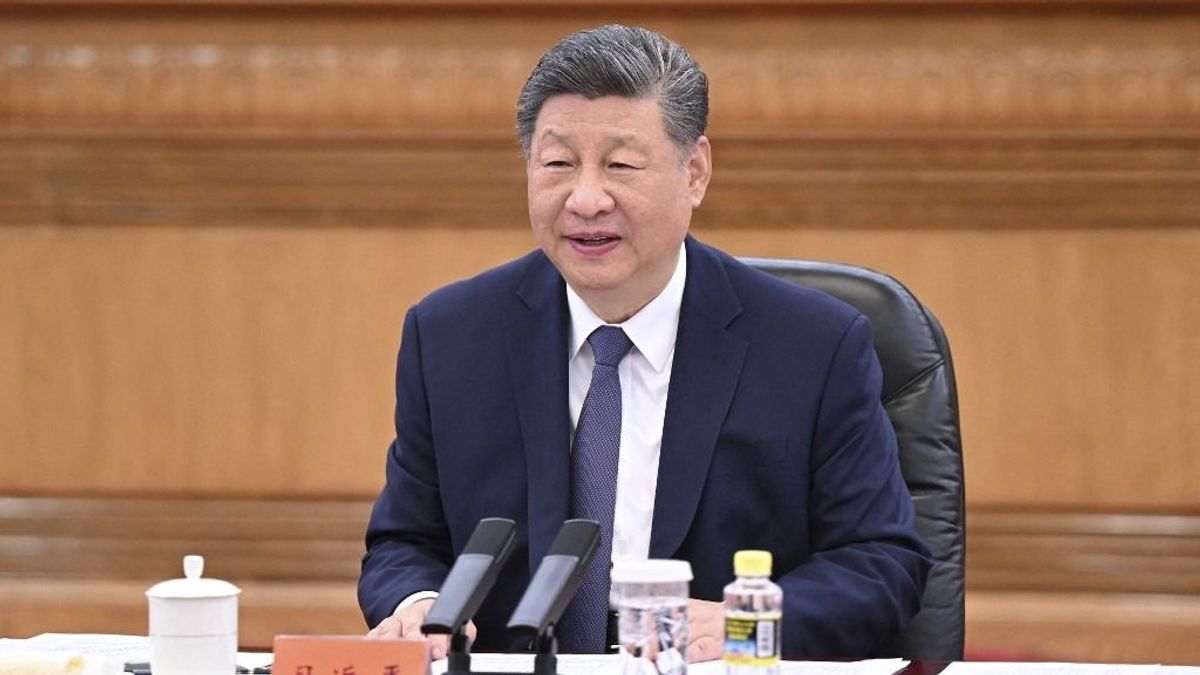
China Urges Unimpeded Navigation in Strait of Hormuz, Calls for Ceasefire
Translated from Hungarian, summarized and contextualized by DistantNews.
TLDR
- Chinese President Xi Jinping urged for unimpeded navigation in the Strait of Hormuz during a call with Saudi Crown Prince Mohammed bin Salman.
- Xi emphasized Beijing's call for an immediate and comprehensive ceasefire and support for political and diplomatic resolutions to Middle East conflicts.
- Both leaders affirmed their commitment to deepening China-Saudi cooperation, with bin Salman highlighting regional instability's threat to Gulf security and global energy supplies.
From Beijing's perspective, the Strait of Hormuz is a critical artery for global trade and energy security, and its unimpeded flow is of paramount importance. President Xi Jinping's call for a ceasefire and diplomatic resolution in the Middle East, as reported by Chinese state media, underscores China's growing role as a mediator and its commitment to regional stability.
This stance reflects China's broader foreign policy objectives, which prioritize economic development and international cooperation. Unlike some Western powers that may view the region through a lens of geopolitical competition, China emphasizes the shared interest in maintaining open sea lanes and ensuring a stable global economy. The conversation with Crown Prince Mohammed bin Salman highlights China's engagement with key regional players to achieve these goals.
The unimpeded operation of the Strait of Hormuz is crucial for the region and the world economy.
Magyar Nemzet's reporting on this event, while factual, may not fully capture the nuances of China's strategic interests. From a Chinese viewpoint, ensuring the security of energy supplies and trade routes is not just an economic necessity but also a cornerstone of its peaceful development strategy. The emphasis on diplomatic solutions over military intervention aligns with China's long-standing principles of non-interference and respect for national sovereignty.
The fighting in the region threatens the security of the Gulf countries and global energy supplies.
DistantNews Editorial
Originally published by Magyar Nemzet in Hungarian. Translated, summarized, and contextualized by our editorial team with added local perspective. Read our editorial standards.
More Stories
From Our Blog

Countries Without a Free Press: What You Need to Know

What Press Freedom Means for the News You Read

What Gets Lost (and Found) When News Is Translated

The Critical Role of Diaspora Media in Global News

What Travellers Should Know About Countries with Restricted Press
