

China uses film diplomacy to project better image in Africa
Translated from English, summarized and contextualized by DistantNews.
At a glance
News
Sources not specified
Context piece
- China is using film diplomacy to enhance its image in Africa, as demonstrated by a recent Chinese Film Week in Burundi.
- The event aimed to foster Sino-Burundian friendship through cultural exchanges, with officials emphasizing cinema's role in bridging divides.
- Future cooperation includes creator exchanges, co-productions, and skills transfer, alongside film screenings like 'The Wandering Earth II'.
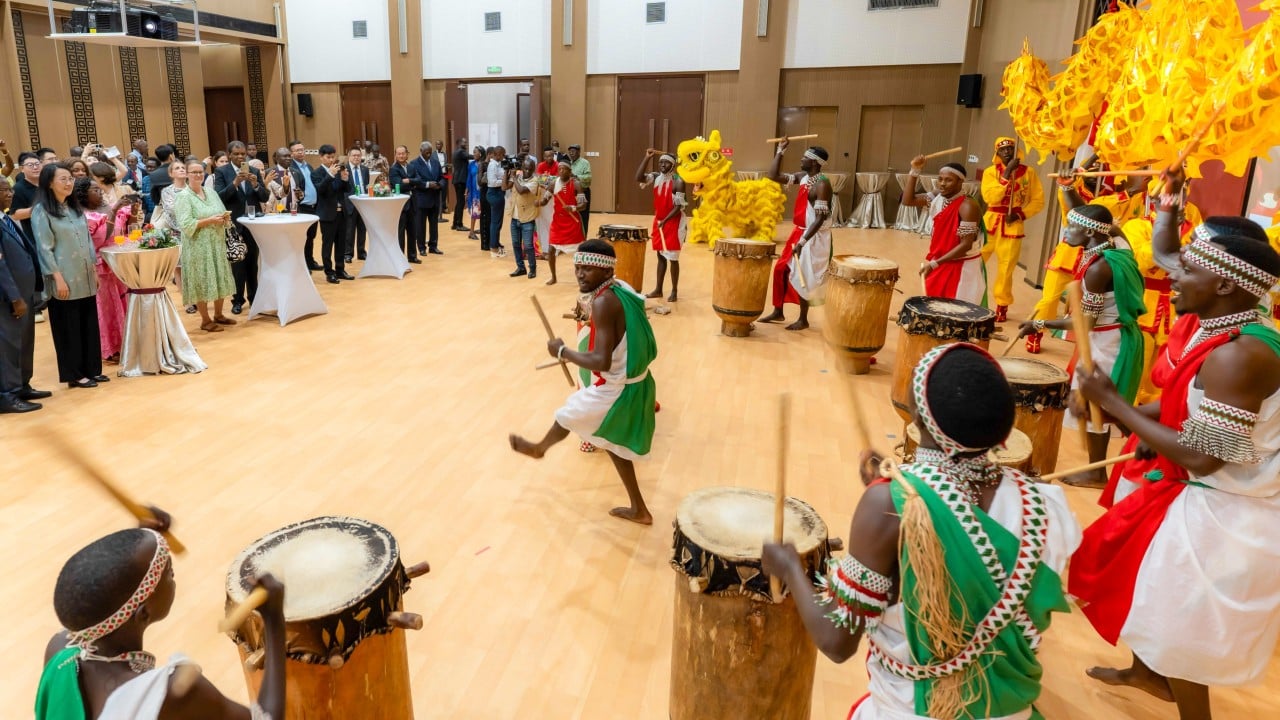
China's "soft power" initiative to win over African nations is increasingly leveraging cinema, with a recent Chinese Film Week in Burundi serving as a prime example. The event, held in the economic capital Bujumbura, featured a blend of Chinese cultural performances and film screenings, aiming to strengthen ties between the two countries.
a beautiful example of cultural exchanges between the two countries
The Chinese embassy in Bujumbura described the festival as a "beautiful example of cultural exchanges," expressing a shared determination to "make cinema a vehicle for Sino-Burundian friendship." Zhu Kewei, China's ambassador to Burundi, highlighted cinema's unique ability to transcend linguistic and cultural barriers, stating it "carries a nation’s historical memories, cultural traditions, values and the emotions of its people."
make cinema a vehicle for Sino-Burundian friendship
Ambassador Zhu noted that many Africans have historically come to understand China through its martial arts films, referencing iconic stars like Bruce Lee and Jackie Chan. Beyond film screenings, which included titles like "The Wandering Earth II" and "The Snow Leopard," China and Burundi are planning expanded cooperation. These initiatives will encompass creator exchanges, artist mobility programs, university partnerships, co-productions, and skills transfer, further embedding Chinese culture and influence on the continent.
a force capable of bridging language barriers, borders and cultures
DistantNews Editorial
Originally published by South China Morning Post in English. Translated, summarized, and contextualized by our editorial team with added local perspective. Read our editorial standards.
More Stories
From Our Blog

Countries Without a Free Press: What You Need to Know

What Press Freedom Means for the News You Read

What Gets Lost (and Found) When News Is Translated

The Critical Role of Diaspora Media in Global News

What Travellers Should Know About Countries with Restricted Press
