

China vs Japan: the battle for the global microphone to reshape post-war identity
Summarized and contextualized by DistantNews.
At a glance
News
Named sources
Context piece
- China and Japan are locked in a battle for global influence, using rhetoric to define each other's international identity.
- China accuses Japan of "new militarism" and highlights World War II atrocities, while Japan rejects this, positioning itself as a defender of regional security.
- Despite China's rhetoric, many Asia-Pacific and European nations are deepening defense cooperation with Tokyo, suggesting China's narrative is not gaining widespread traction.
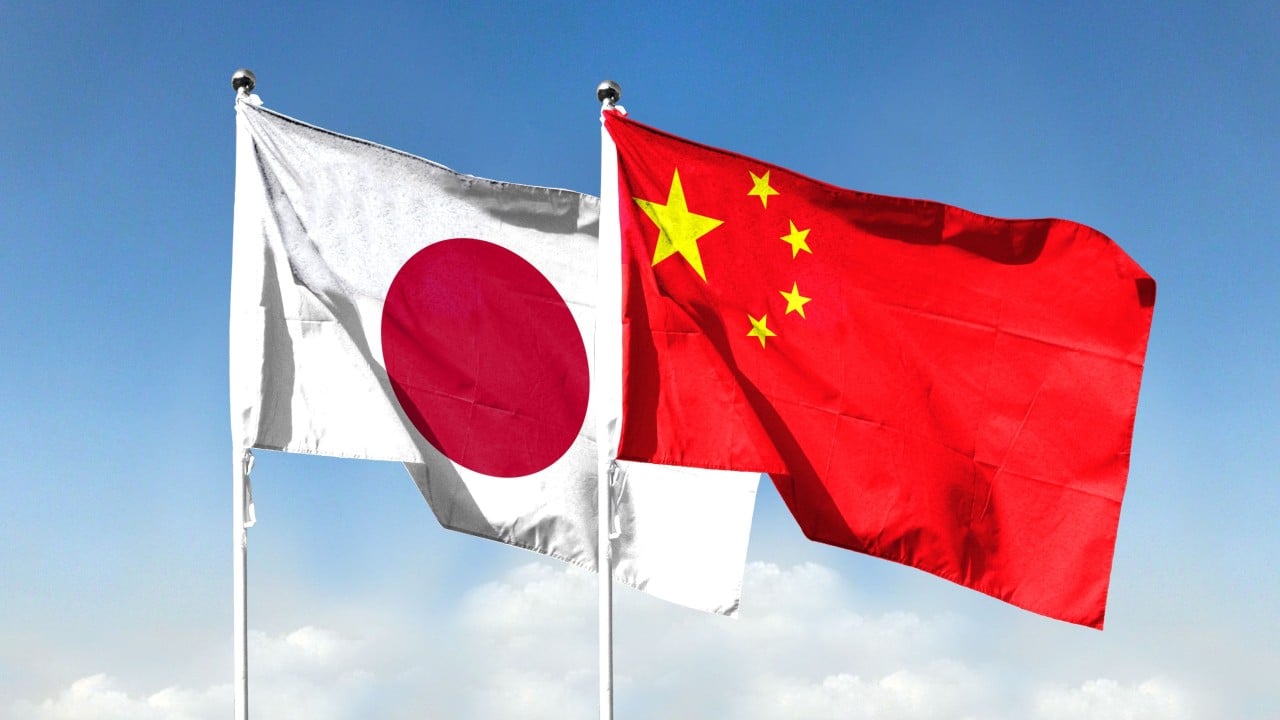
The rivalry between China and Japan has escalated beyond territorial disputes and historical grievances into a contest for global influence, specifically focusing on shaping international perceptions of each other's identities. This struggle is playing out on the world stage, with both nations vying for the "global microphone" to define their narratives.
Amidst rising diplomatic tensions, China has intensified its criticism of Japan, labeling its actions as "new militarism." Beijing frequently invokes history from World War II, aiming to garner regional and international sympathy for its stance. This strategy seeks to remind other nations of Japan's past wartime conduct, portraying it as a potential threat to regional stability.
In sharp contrast, Japan has vehemently rejected China's accusations, dismissing them as "false claims." Tokyo presents itself as a peace-loving nation and a victim of coercion, emphasizing its role as a defender of regional security. Japan points to China's expanding military capabilities, its opaque military build-ups, and its challenges to established international rules as reasons for global concern.
While China's campaign against Japan's perceived militarism is ongoing, its effectiveness in swaying international opinion remains uncertain. Many countries across the Asia-Pacific region and Europe continue to strengthen their defense ties with Tokyo. This ongoing cooperation suggests that China's narrative about Japan's militarism is not gaining widespread traction among key global players. Shen Yi, executive director of the Centre for National Security Studies at Fudan University, noted that China faces a "profoundly distorted global narrative" that often overlooks Japan's World War II atrocities, which he argues have not been fully reckoned with internationally.
China faces a profoundly distorted global narrative that has largely obscured the fascist atrocities committed by Japan against China and other nations during World War II that have never been fully reckoned with at the international level.
DistantNews Editorial
Originally published by South China Morning Post. Summarized and contextualized by our editorial team with added local perspective. Read our editorial standards.
More Stories



From Our Blog

Countries Without a Free Press: What You Need to Know

What Press Freedom Means for the News You Read

What Gets Lost (and Found) When News Is Translated

The Critical Role of Diaspora Media in Global News

What Travellers Should Know About Countries with Restricted Press
