


Chinese AI robot vaccinates pigs with 93% accuracy
Translated from English, summarized and contextualized by DistantNews.
At a glance
News
Named sources
Context piece
- Chinese researchers have developed an AI-powered robot that vaccinates pigs in the hindquarters with 93.3% accuracy.
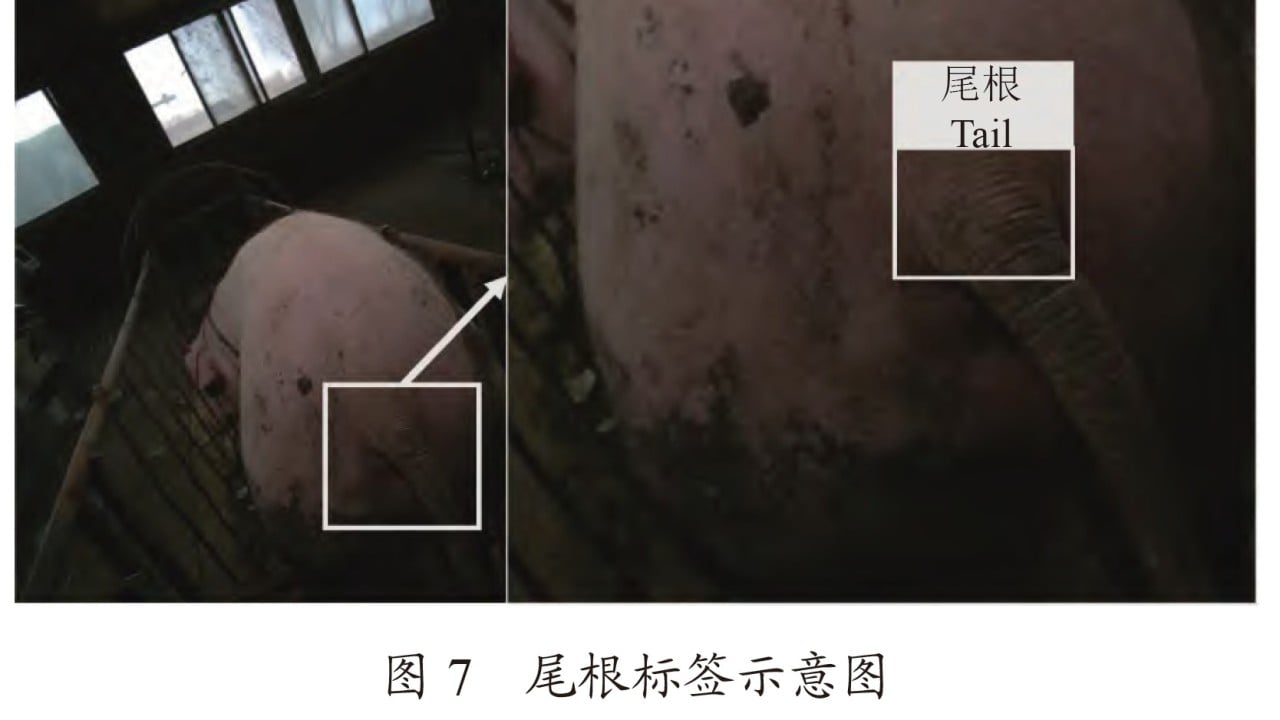
- The needle-free robot uses cameras to locate the base of a pig's tail and deliver the injection while the animal is eating.
- This technology aims to support automated and intelligent large-scale pig farming, addressing issues like broken needles and missed injections common with manual vaccination.
In China, a novel AI-driven robot is revolutionizing pig farming by administering vaccines with remarkable precision. Developed by researchers at the Beijing Academy of Agriculture and Forestry Sciences, the "buttock-tracking robot" achieves a 93.3% success rate in delivering needle-free injections.
The innovative system employs cameras to identify the base of a pig's tail, allowing the robot to administer vaccines into the animal's hindquarters, often while the pig is engaged in eating. This automated approach tackles the labor-intensive nature of traditional pig vaccination, a critical task for maintaining herd health in the world's largest pork-producing nation.
less-human, automated and intelligent large-scale pig farming
According to Li Bin, a research fellow involved in the project, current manual vaccination methods can lead to problems such as broken needles, missed injections, and inaccurate placement. The new robotic system promises to enhance efficiency and hygiene in large-scale pig farming operations. The study detailing this advancement was published in the Transactions of the Chinese Society of Agricultural Engineering.
Current pig vaccination still relies largely on human workers, creating problems including broken needles, missed injections and inaccurate placement
DistantNews Editorial
Originally published by South China Morning Post in English. Translated, summarized, and contextualized by our editorial team with added local perspective. Read our editorial standards.
More Stories



From Our Blog

Countries Without a Free Press: What You Need to Know

What Press Freedom Means for the News You Read

What Gets Lost (and Found) When News Is Translated

The Critical Role of Diaspora Media in Global News

What Travellers Should Know About Countries with Restricted Press
