

Chinese archaeologists heading to Peru for first joint project to explore ancient sites
Summarized and contextualized by DistantNews.
At a glance
News
Named sources
New plan
- Chinese archaeologists will undertake their first joint field project in South America, exploring ancient Peruvian sites.
- The collaboration between China's Institute of Archaeology and Peru's Ministry of Culture aims to deepen cultural ties.
- The project will involve surveys, excavations, and heritage preservation, potentially expanding to Inca-period sites.
Chinese archaeologists are set to embark on their first joint field project in South America, focusing on exploring ancient sites in Peru. This initiative marks a significant step in deepening cultural ties between China and the region.
The Institute of Archaeology of the Chinese Academy of Social Sciences has signed a cooperation agreement with Peru's Caral Archaeological Zone and the National University of San Marcos. This partnership will facilitate joint training, field surveys, excavations, and cultural heritage preservation projects related to the Caral civilization.
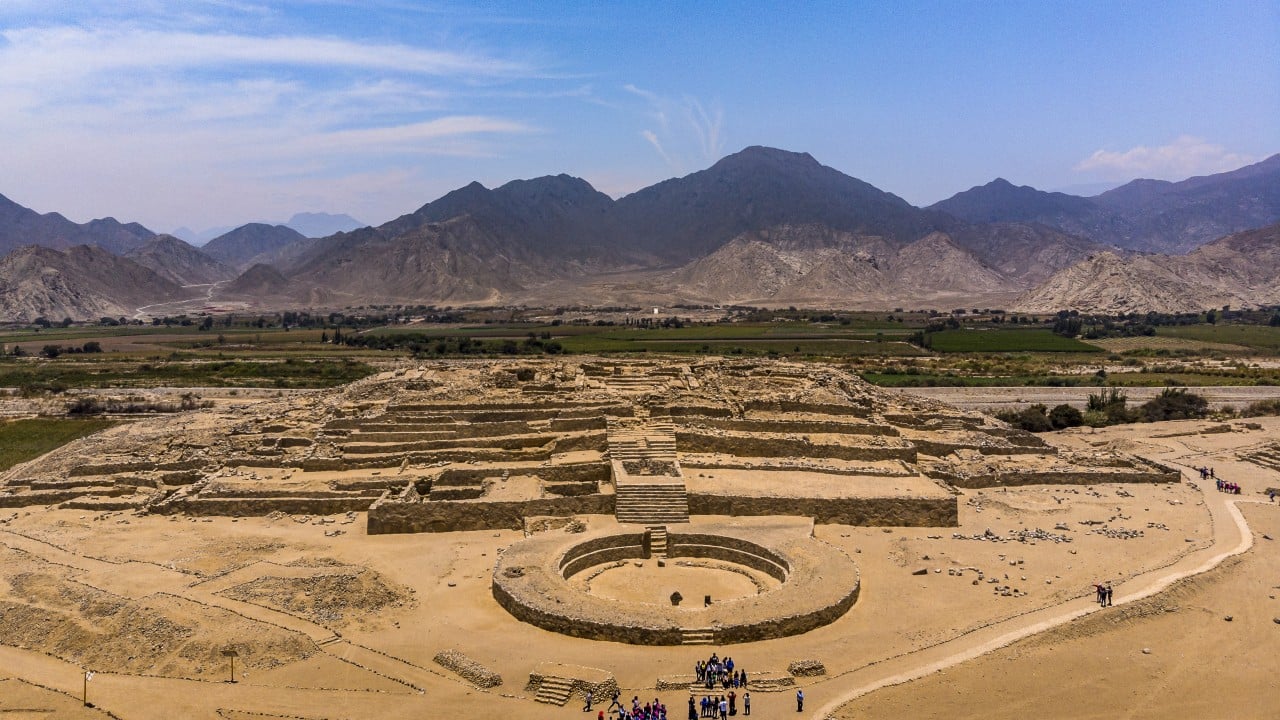
Initially, the collaboration will concentrate on surveying key sites of the Caral civilization, including major population centers like Caral and Aspero. The goal is to develop detailed excavation plans. The Chinese institute highlighted that this cooperation fills a gap in field archaeology for Chinese institutions in South America.
Looking ahead, the partnership may extend to examining sites from the later Inca period in the Andean highlands. This expansion aims to support comparative studies between ancient Chinese and South American civilizations. The Caral civilization, considered the oldest known in the Americas, flourished along the coast of modern-day Peru between approximately 3000 BC and 1800 BC.
This cooperation fills a blank in field archaeology for Chinese archaeological institutions in South America.
DistantNews Editorial
Originally published by South China Morning Post. Summarized and contextualized by our editorial team with added local perspective. Read our editorial standards.
More Stories


From Our Blog

Countries Without a Free Press: What You Need to Know

What Press Freedom Means for the News You Read

What Gets Lost (and Found) When News Is Translated

The Critical Role of Diaspora Media in Global News

What Travellers Should Know About Countries with Restricted Press
