

Chinese migration film 'Dear You' sparks soft power debate in Southeast Asia
Translated from English, summarized and contextualized by DistantNews.
At a glance
News
Sources not specified
Context piece
- The indie film "Dear You," shot in the Teochew language, follows a man tracing his family's past through remittance letters from Thailand.
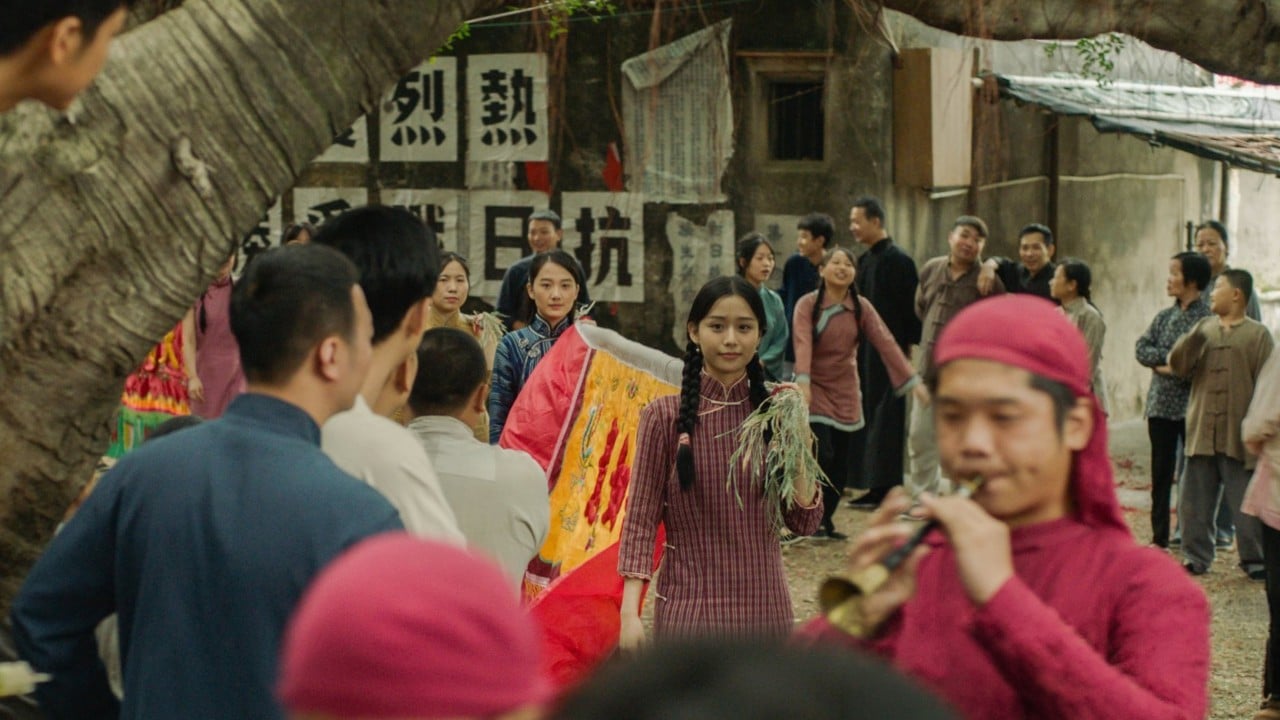
- The movie explores Chinese migration and diaspora heritage, including a scene where an elder secretly teaches Chinese to children in 1950s Bangkok.
- "Dear You" has become a box office hit in China but has also sparked debate in Southeast Asia about China's soft power and influence among Chinese communities.
The indie film "Dear You," a box office success in China, is sparking debate across Southeast Asia about Beijing's soft power and influence among overseas Chinese communities. Shot in the Teochew language, the movie traces a man's journey to uncover his family's past by following remittance letters sent from Thailand.
As he pieces together his grandfather’s life story, the movie also explores Chinese migration to the region and the diaspora’s struggle to preserve its heritage.
As the protagonist pieces together his grandfather's life story, the film delves into the experiences of Chinese migration to the region and the diaspora's efforts to maintain their cultural heritage. One poignant scene depicts an elderly schoolmaster risking arrest in 1950s Bangkok to secretly impart the ancestral Chinese language to diaspora children.
In one scene, an elderly schoolmaster risks arrest in 1950s Bangkok to secretly teach diaspora children their ancestral Chinese tongue.
Since its release on April 30, "Dear You" has drawn massive audiences in China, grossing over 1.6 billion yuan (US$236 million). However, its reception in Southeast Asia has been varied, reflecting different levels of integration of Chinese communities in countries like Singapore, Malaysia, Thailand, and the Philippines. The film's success has prompted discussions about the evolving relationship between China and its diaspora in the 21st century.
But it has also sparked a debate across Southeast Asia about China’s soft power and political influence with Chinese communities in other countries.
DistantNews Editorial
Originally published by South China Morning Post in English. Translated, summarized, and contextualized by our editorial team with added local perspective. Read our editorial standards.
More Stories
From Our Blog

Countries Without a Free Press: What You Need to Know

What Press Freedom Means for the News You Read

What Gets Lost (and Found) When News Is Translated

The Critical Role of Diaspora Media in Global News

What Travellers Should Know About Countries with Restricted Press
