

Chinese scientists find human reproduction difficult in space
Translated from English, summarized and contextualized by DistantNews.
At a glance
News
Sources not specified
Context piece
- Human reproductive cells showed significantly reduced growth and development in space, according to a study by Chinese scientists.
- The success rate of generating precursor germ cells fell by about half, and early sperm-producing cells multiplied over 25% slower in space, attributed to microgravity and cosmic radiation.
- This study marks the first successful differentiation of human embryonic stem cells into germ cells in a space environment, offering insights into the challenges of long-term space habitation.
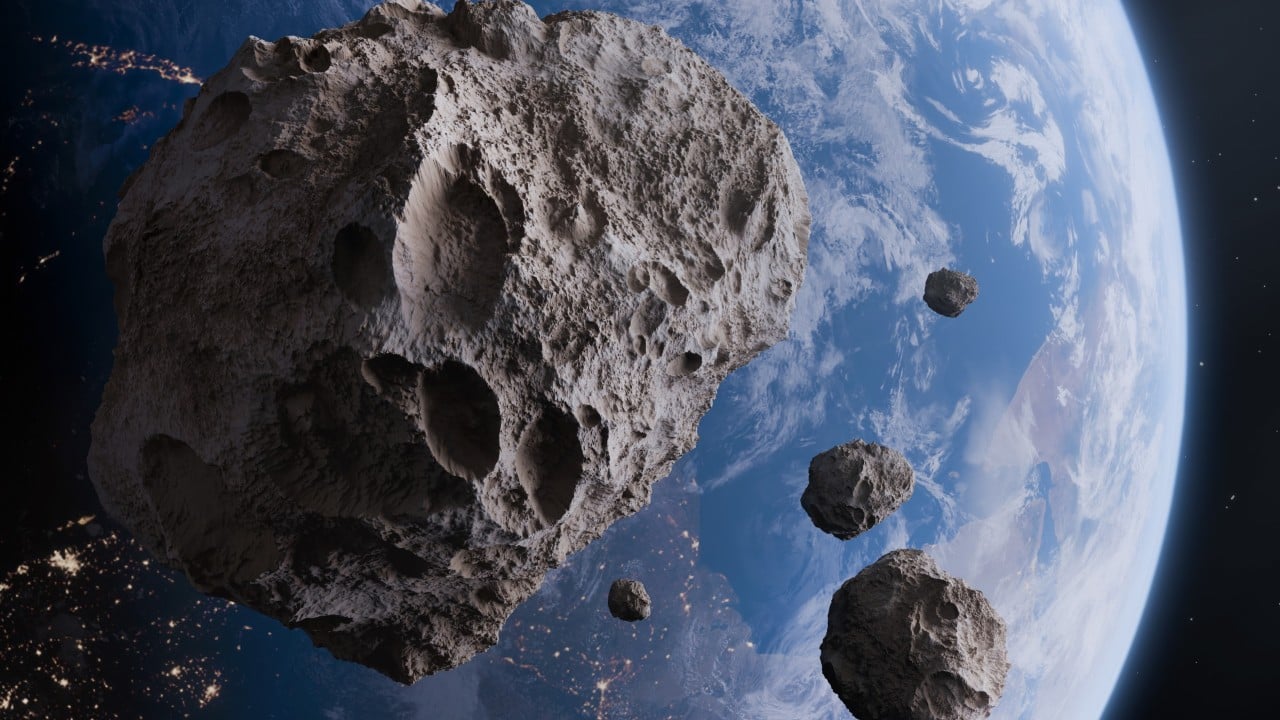
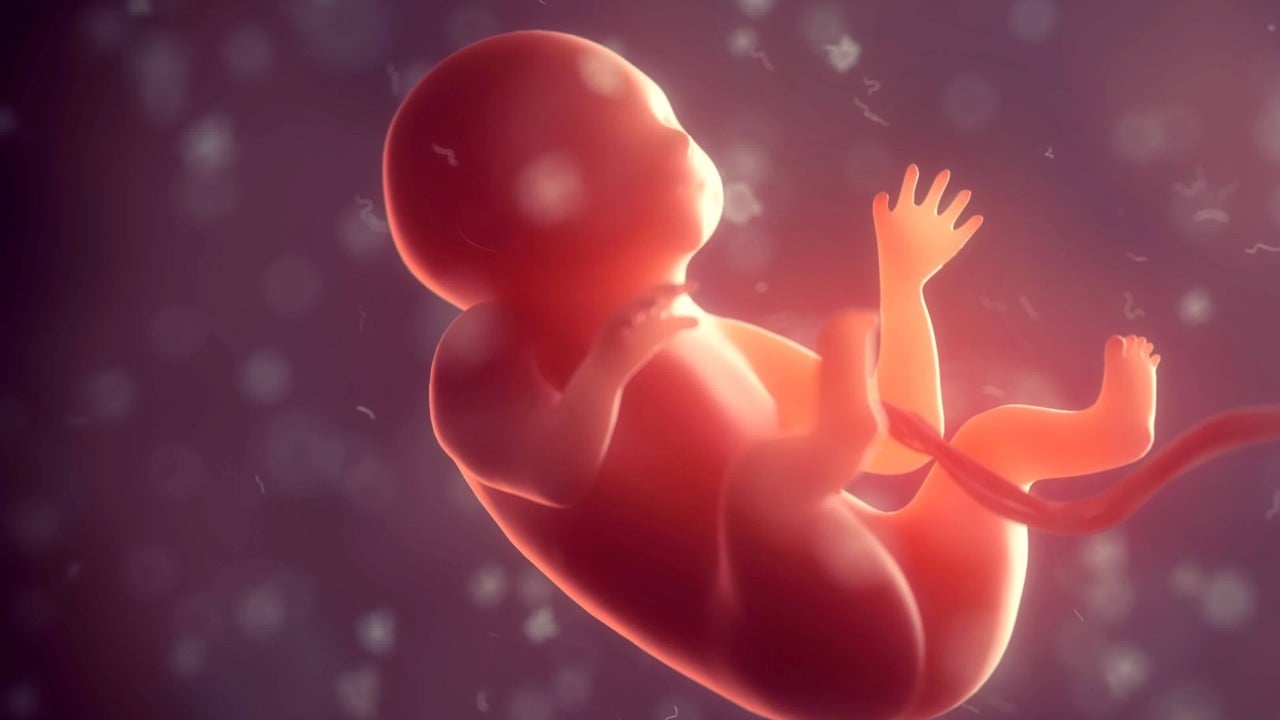
The future of human reproduction in space faces significant hurdles, as a recent study by Chinese scientists reveals. Researchers from the Chinese Academy of Sciences and Tsinghua University cultured human reproductive cells aboard two Tianzhou cargo spacecraft missions. Their findings, published in Science Advances, indicate that early-stage human reproductive cells struggle to grow and develop in the space environment.
If the future of humanity lies in the vast expanse of space, could humans actually perpetuate the species beyond Earth?
The study observed a roughly 50% decrease in the success rate of generating the earliest precursor germ cells. Furthermore, early sperm-producing cells multiplied more than 25% slower compared to their counterparts on Earth. The scientists attribute these outcomes primarily to the effects of microgravity and cosmic radiation.
In space, the success rate of generating the earliest precursor germ cells falls by around half, while early sperm-producing cells multiply over 25 per cent more slowly, according to their findings published in Science Advances on July 15.
Despite these challenges, the research represents a world-first: the successful differentiation of human embryonic stem cells into germ cells within a space setting. This breakthrough provides crucial data for understanding the biological limitations of long-term human presence beyond Earth, even as it highlights the difficulties in ensuring species perpetuation in the vastness of space.
The study marks the world’s first successful differentiation of human embryonic stem cells into germ cells in a space environment, according to the paper.
DistantNews Editorial
Originally published by South China Morning Post in English. Translated, summarized, and contextualized by our editorial team with added local perspective. Read our editorial standards.
More Stories
From Our Blog

Countries Without a Free Press: What You Need to Know

What Press Freedom Means for the News You Read

What Gets Lost (and Found) When News Is Translated

The Critical Role of Diaspora Media in Global News

What Travellers Should Know About Countries with Restricted Press
