

China’s lab monkey prices hit Covid-era highs on new drug R&D demand
Summarized and contextualized by DistantNews.
At a glance
News
Named sources
Context piece
- Prices for laboratory monkeys in China have surged to highs not seen since the COVID-19 pandemic, driven by increased demand for new drug research and development.
- Researchers report that the cost per animal has reached approximately 180,000 yuan (US$27,000), with many suppliers unable to fulfill orders due to pre-bookings.
- The scarcity and high cost are forcing some research institutions to halt their studies, impacting the development of new treatments for major brain diseases.
The burgeoning field of new drug research and development in China is causing a sharp increase in the price of laboratory monkeys, pushing costs back to pandemic-era levels. This surge in demand is creating significant challenges for scientific institutions, with some researchers compelled to pause their studies.
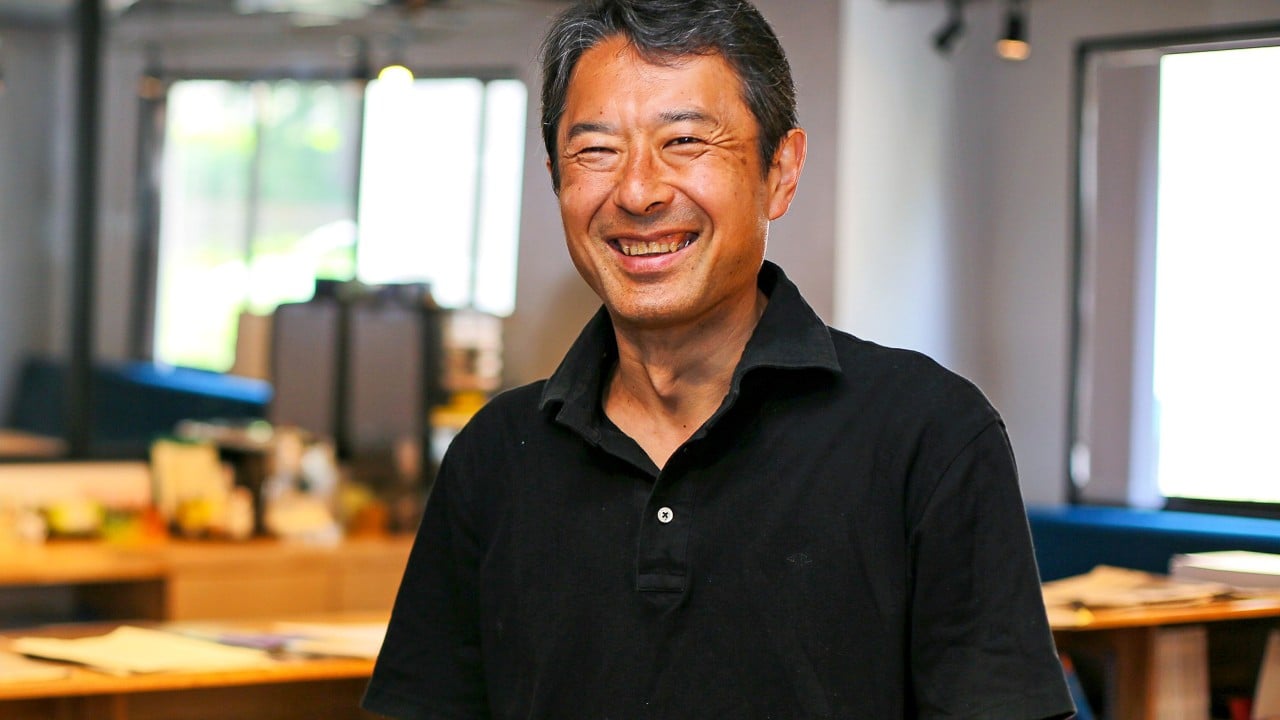
According to Guo Xiangyu, a scientist at Jinan University in Guangzhou specializing in non-human primate models for brain diseases, laboratory monkey prices have been on a steady rise since Chinese New Year. Suppliers are now quoting prices around 180,000 yuan (US$27,000) per animal. However, the issue extends beyond mere cost, as many researchers find that monkeys are simply unavailable, having been pre-booked by other institutions.
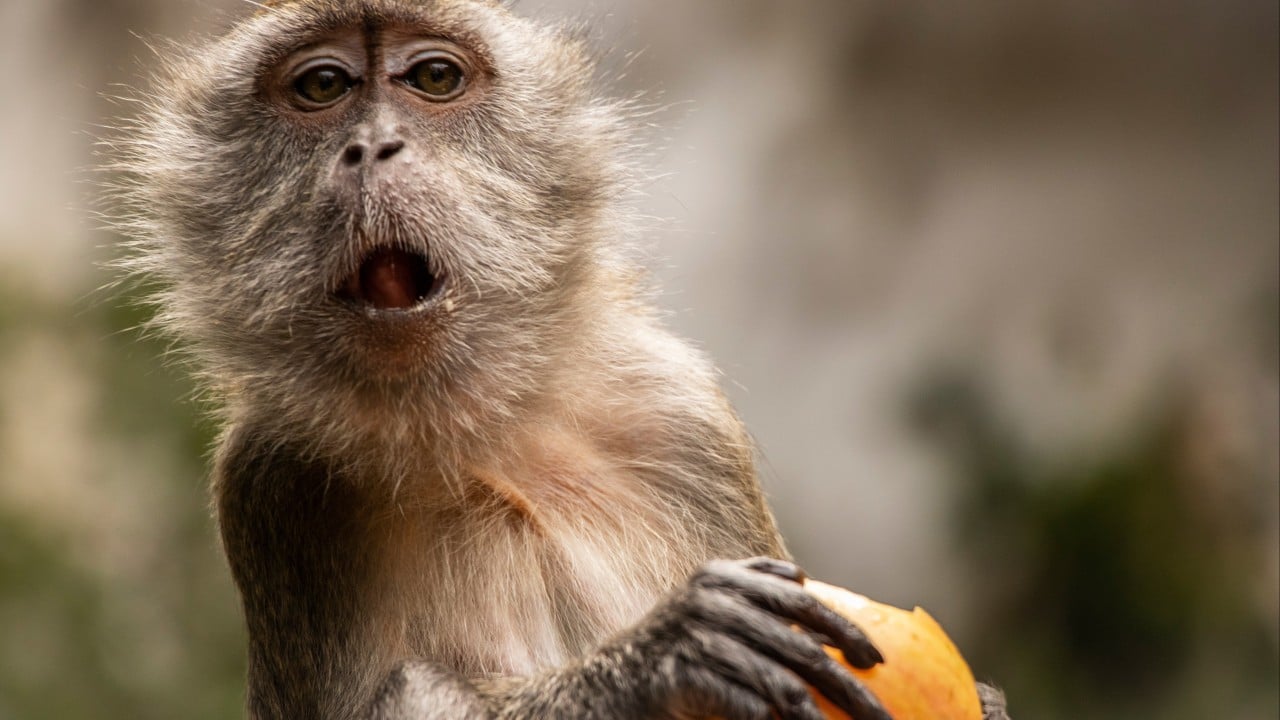
Guo's laboratory, for instance, requires between 30 and 50 monkeys annually for critical scientific work, including pathological and molecular biological analyses. The current market conditions make it increasingly difficult to secure these essential resources. Crab-eating macaques are particularly sought after due to their suitable size for drug testing, requiring lower doses of experimental compounds.
The scarcity and escalating prices threaten to impede the progress of vital research, particularly in areas like developing treatments for major brain diseases. The situation highlights a critical bottleneck in China's rapidly expanding biomedical research sector, potentially slowing down the pipeline for new therapeutic innovations.
It is not just a question of price. In many cases, the monkeys simply cannot be bought. Suppliers say they have all been pre-booked.
DistantNews Editorial
Originally published by South China Morning Post. Summarized and contextualized by our editorial team with added local perspective. Read our editorial standards.
More Stories

From Our Blog

Countries Without a Free Press: What You Need to Know

What Press Freedom Means for the News You Read

What Gets Lost (and Found) When News Is Translated

The Critical Role of Diaspora Media in Global News

What Travellers Should Know About Countries with Restricted Press
