


Chinese scientists industrialize rare earth rubber for tougher tires
Translated from English, summarized and contextualized by DistantNews.
At a glance
News
Named sources
New plan
- Chinese scientists have industrialized a rare earth-based synthetic rubber production process, a key material for electric and heavy-duty vehicle tires.
- The new facility, a collaboration between PetroChina and the Changchun Institute of Applied Chemistry, has an annual capacity of 100,000 tons and builds on decades of research.
- This advancement utilizes neodymium, a rare earth metal primarily produced by China, to create highly resilient and wear-resistant butadiene rubber.
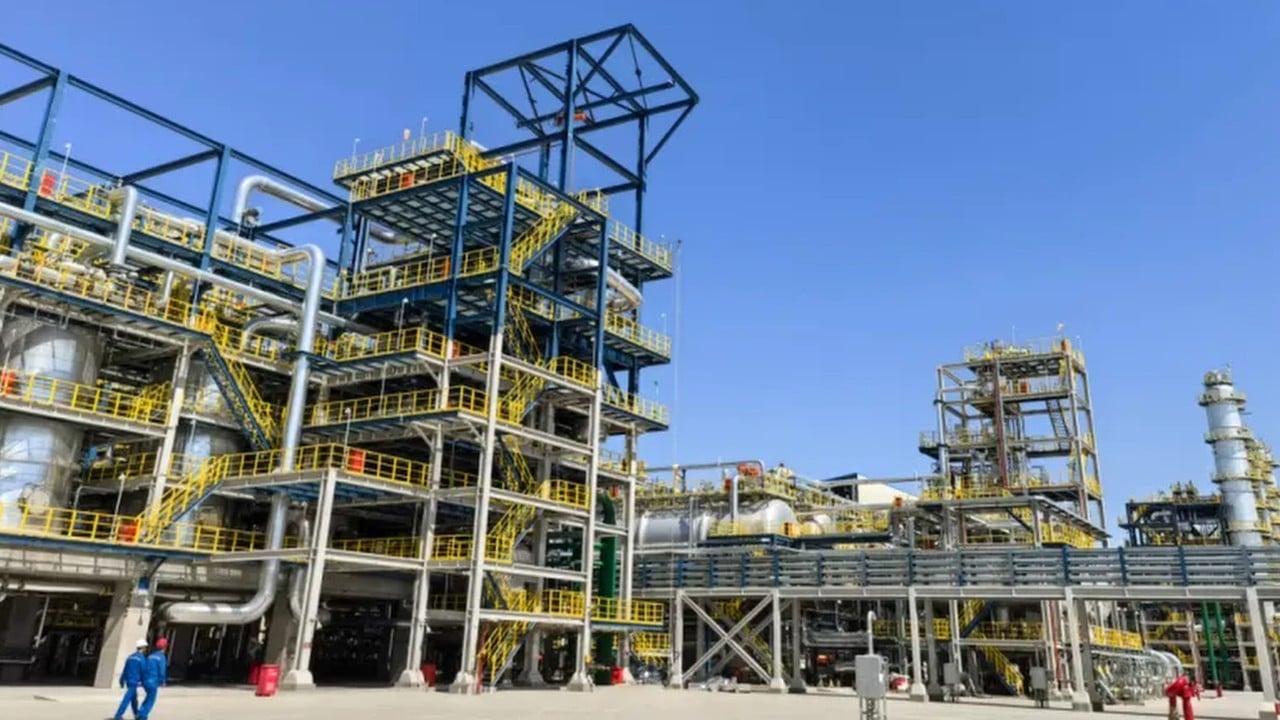
Chinese researchers have successfully industrialized a rare earth-based synthetic rubber production process, a critical component for manufacturing durable tires for electric and heavy-duty vehicles. The new facility, a joint effort by PetroChina's Dushanzi Petrochemical and the Changchun Institute of Applied Chemistry, boasts an annual production capacity of 100,000 tons.
This industrialization marks a significant step forward, leveraging over 60 years of research into rare earth catalytic synthesis of butadiene rubber, a field pioneered by the institute in the 1960s. Synthetic rubber, primarily derived from petroleum by-products, is vital for the transport industry, manufacturing, and national defense.
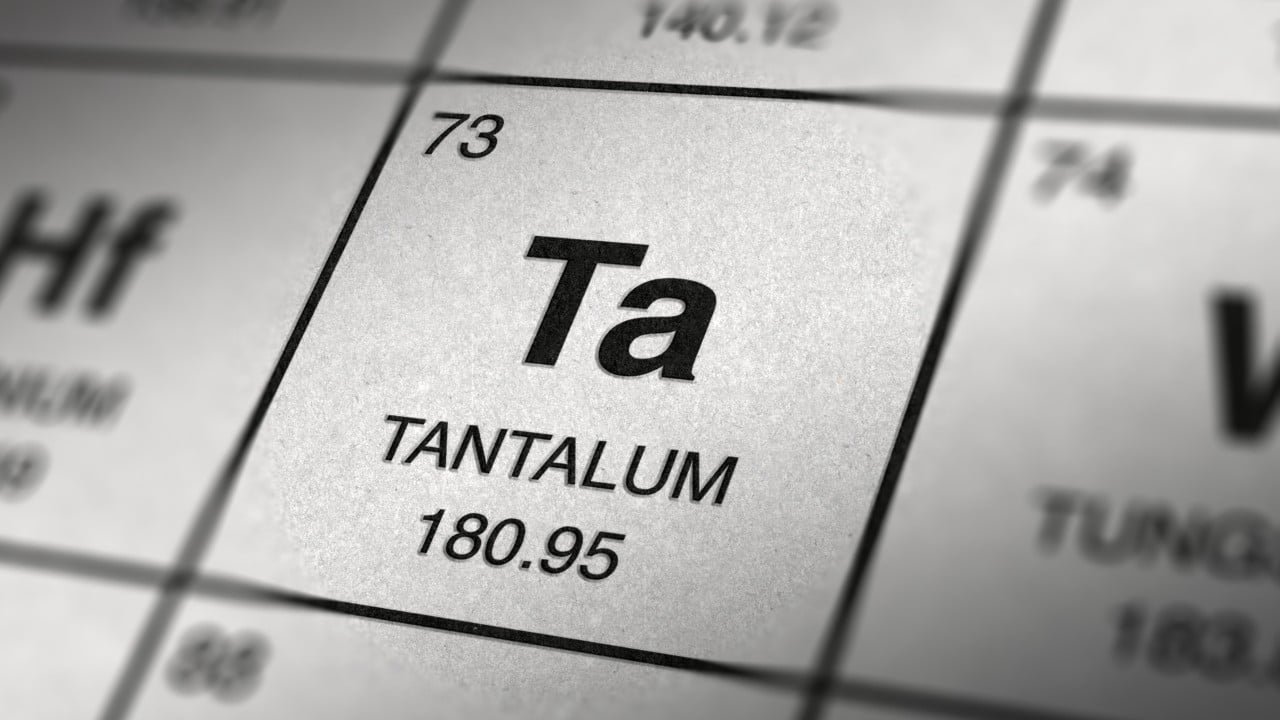
The process specifically uses rare earth metals, such as neodymium, as catalysts. China's dominance in neodymium production positions it strategically in the supply chain for this advanced material, which is engineered for enhanced durability and elasticity, particularly in high-grade cis-butadiene rubber used for tires.
DistantNews Editorial
Originally published by South China Morning Post in English. Translated, summarized, and contextualized by our editorial team with added local perspective. Read our editorial standards.
More Stories


From Our Blog

Countries Without a Free Press: What You Need to Know

What Press Freedom Means for the News You Read

What Gets Lost (and Found) When News Is Translated

The Critical Role of Diaspora Media in Global News

What Travellers Should Know About Countries with Restricted Press
