


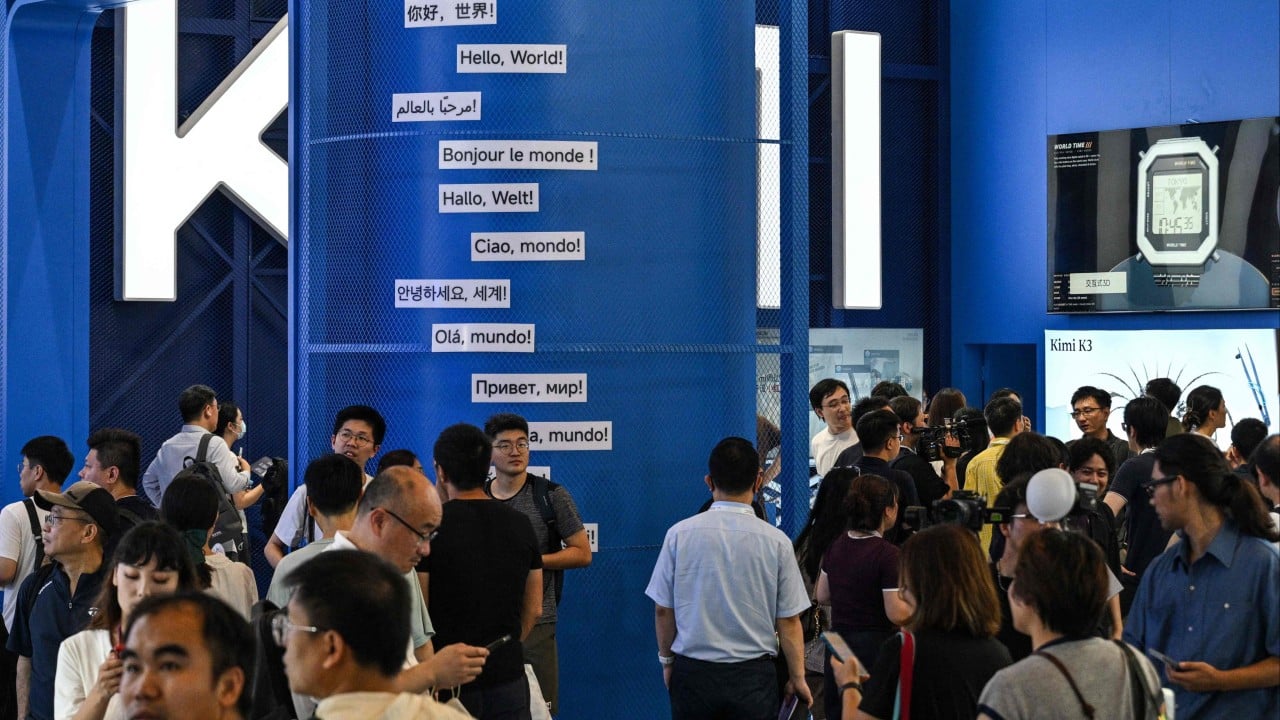
Chinese Tech Firms Snub US Congress Advisers, Signaling Growing AI Caution
Translated from English, summarized and contextualized by DistantNews.
At a glance
News
Named sources
Context piece
- Chinese tech companies declined meetings with a visiting US congressional delegation, signaling Beijing's cautious approach to AI diplomacy.
- This occurs despite ongoing dialogue between the US and China on AI safety.
- The delegation's visit was the first of its kind in seven years, aimed at informing a report to Congress on China's technological developments.
China's leading technology firms have reportedly rebuffed a visiting US congressional delegation, denying them a crucial opportunity to gain insight into the rapidly evolving artificial intelligence landscape in China. Analysts interpret this move as a reflection of Beijing's increasingly guarded stance on AI diplomacy.
The situation presents a paradox: while the United States and China continue to engage in discussions regarding AI safety, the channels for mutual understanding appear to be diminishing. This reluctance from Chinese companies to engage with US lawmakers highlights a growing caution in how Beijing manages its interactions on advanced technology.
The bipartisan delegation, part of the US-China Economic and Security Review Commission, undertook a visit to Beijing, Hangzhou, and Shanghai earlier this month. This marked the first such delegation visit in seven years. The mission's primary objective was to gather information to shape the commission's annual report to Congress, which scrutinizes China's advancements in military, economic, and technological sectors.
During their trip, the commissioners engaged with various Chinese officials, including government representatives, think tank members, and business figures. Discussions centered on artificial intelligence, cutting-edge technologies, biotechnology, economic security, and regional affairs. However, the refusal of major tech companies to meet with the delegation suggests a deliberate strategy by Beijing to control the flow of information and manage its technological image on the international stage.
DistantNews Editorial
Originally published by South China Morning Post in English. Translated, summarized, and contextualized by our editorial team with added local perspective. Read our editorial standards.
More Stories

From Our Blog

Countries Without a Free Press: What You Need to Know

What Press Freedom Means for the News You Read

What Gets Lost (and Found) When News Is Translated

The Critical Role of Diaspora Media in Global News

What Travellers Should Know About Countries with Restricted Press
