

Chronic pain is missing from America's heat warnings
Summarized and contextualized by DistantNews.
At a glance
News
Sources not specified
Context piece
- Chronic pain is often overlooked in public health advice during heat waves, despite its significant impact on millions of Americans over 50.
- A new study found that prolonged exposure to extreme cold and heat can worsen high-impact chronic pain, particularly for rural residents.
- The findings suggest that heat wave preparedness strategies should include considerations for chronic pain sufferers, as temperature fluctuations affect the body and can exacerbate pain.
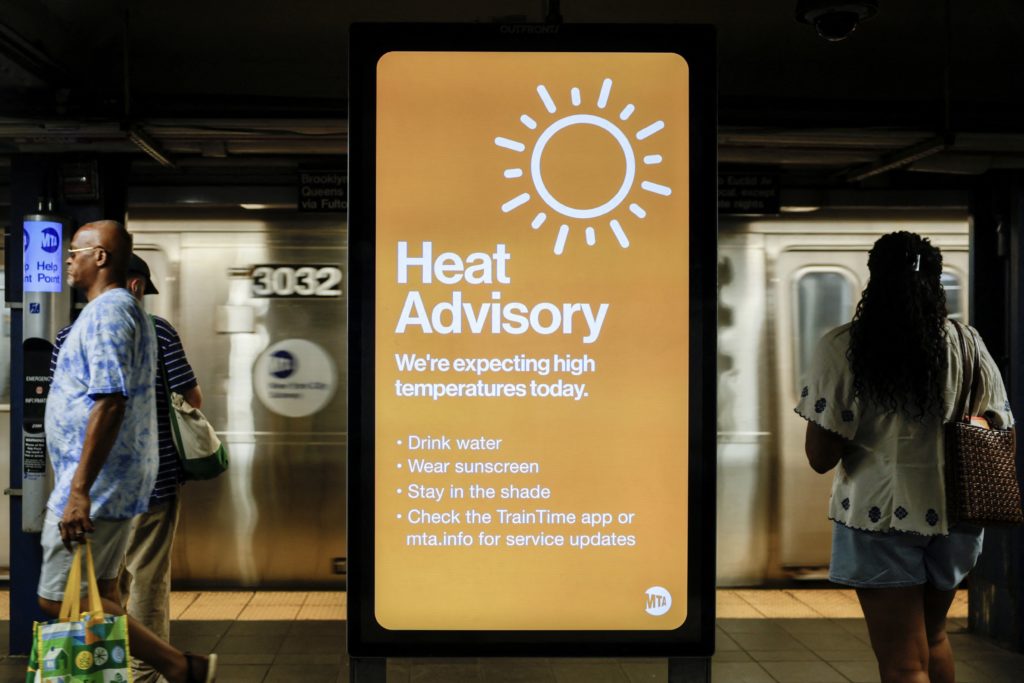
Public health advice for heat waves typically focuses on hydration and monitoring for heat stroke, often neglecting the impact of extreme temperatures on individuals with chronic pain. A recent study, however, highlights that prolonged exposure to both extreme cold and heat can significantly worsen high-impact chronic pain, affecting daily life for millions of Americans over 50.
Chronic pain deserves a place in how the country prepares people for extreme weather.
The research, which tracked over 35,000 adults aged 50 and older for two decades, matched their pain reports with local temperature data. It revealed that sustained exposure to extreme cold increased reports of high-impact pain, while occasional cold spells did not have the same effect. This suggests that adaptation to harsh winters becomes more difficult over years of extreme cold.
Cold appears to increase pain sensitivity and stiffen joints, which is why people with arthritis often brace for winter.
Extreme heat presented a more complex picture, with its impact varying by geography and wealth. For urban residents, sustained heat led to increased pain. The study emphasizes that hot nights, which prevent the body from recovering, are particularly dangerous. The findings indicate that chronic pain deserves a more prominent place in national strategies for preparing communities for extreme weather, with rural residents potentially being the least protected group.
Heat affects the body through dehydration, broken sleep and the way it quietly shrinks the range of things a person is willing to do in a day.
DistantNews Editorial
Originally published by PBS NewsHour. Summarized and contextualized by our editorial team with added local perspective. Read our editorial standards.
More Stories



From Our Blog

How the Same Story Looks Different in Different Countries

What Gets Lost (and Found) When News Is Translated

The Critical Role of Diaspora Media in Global News

What Travellers Should Know About Countries with Restricted Press

A Digital Nomad's Guide to Following Local News
