

Church Calls for Recognition and Respect for Indigenous Peoples, Citing Their Enrichment of Mexico and the World
Translated from Spanish, summarized and contextualized by DistantNews.
At a glance
Opinion
Official statement
Context piece
- The Catholic Church calls for recognition and respect for indigenous peoples in Mexico.
- The Church states that indigenous communities enrich Mexico's development and the world.
- It highlights obstacles faced by indigenous peoples, including violence, poverty, and discrimination.
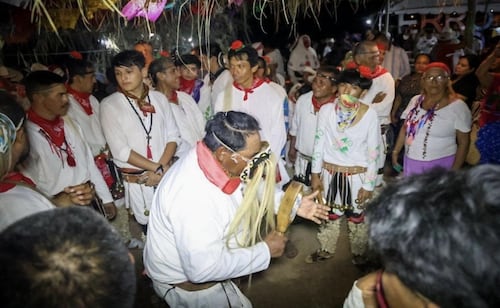
The Catholic Church in Mexico has emphasized the vital role of indigenous peoples, urging for their recognition, respect, and dignified conditions for development. In its editorial "Desde la Fe," the Church stated that all Mexicans share fundamental aspirations for a dignified life, peace, and a secure future for their families.
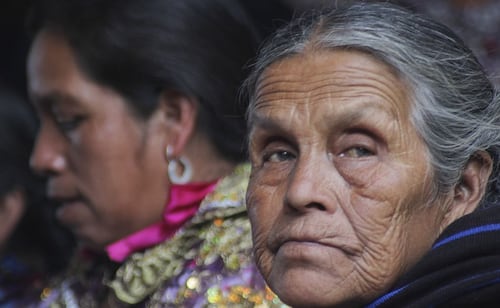
However, the editorial pointed out that many indigenous communities face unique challenges. These include violence in their territories, pervasive poverty, discrimination, and limited access to essential services and development opportunities. These obstacles hinder their ability to achieve the same aspirations as other citizens.
The Church stressed that indigenous peoples need equal opportunities and respect for their rights. It highlighted that their distinct traditions, knowledge, and organizational methods, when combined with education and modern techniques, significantly enrich the development of both Mexico and the world. A living culture, the editorial argued, must remain active and integrated into the lives of its people, not confined to museums or mere tourist displays.
Calling on all Mexicans, the Church urged a view of indigenous peoples as a living part of the nation that contributes to contemporary Mexico. It noted that indigenous individuals are students, workers, entrepreneurs, and active community members who, like everyone else, navigate the challenges of a rapidly changing world. The Church affirmed that Mexico needs their contributions and willingness to coexist from a strengthened identity that enhances culture and social harmony. Unity, it concluded, does not require uniformity but rather the recognition of shared nationhood without demanding the erasure of individual identities.
DistantNews Editorial
Originally published by El Universal in Spanish. Translated, summarized, and contextualized by our editorial team with added local perspective. Read our editorial standards.
More Stories

From Our Blog

What Press Freedom Means for the News You Read

What Gets Lost (and Found) When News Is Translated

The Critical Role of Diaspora Media in Global News

What Travellers Should Know About Countries with Restricted Press

A Digital Nomad's Guide to Following Local News
