

Sinaloa faces challenge preserving indigenous languages as youth drift from traditions
Translated from Spanish, summarized and contextualized by DistantNews.
At a glance
News
Named sources
Context piece
- Sinaloa, Mexico, faces challenges in preserving indigenous languages, with many young people distancing themselves from ancestral traditions.
- The state has 35 indigenous groups, but only three are native to Sinaloa.
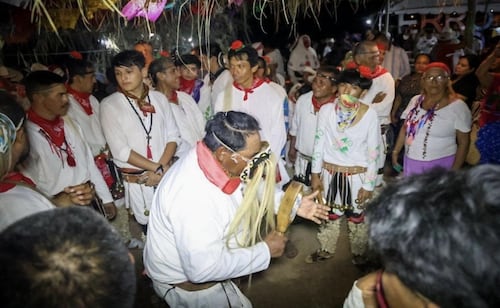
- Efforts are underway to promote respect for indigenous communities and their traditions, including language, dance, and music.
Sinaloa, Mexico, is grappling with the significant challenge of preserving its indigenous languages, as younger generations increasingly turn away from ancestral traditions. Crescencio Ramírez Sánchez, the Commissioner for the Attention of Indigenous Communities in the state, highlighted that out of 35 registered indigenous groups, only three are native to Sinaloa.
Ramírez Sánchez noted that many young indigenous individuals are reluctant to speak their native languages, viewing them as a valuable heritage that should be cherished alongside traditions like dance and music. He emphasized the strong efforts being made to counteract this trend, acknowledging that the pervasive influence of social media has significantly impacted the younger demographic.
During the International Day of Indigenous Peoples, the official from the Secretariat of Welfare and Sustainable Development stressed the commitment to fostering respect for all native peoples. He stated the importance of collaboratively working to maintain their traditions and ensure well-being within their communities through various state-sponsored programs.
Of the 35 indigenous groups in Sinaloa, Ramírez Sánchez identified the Mayos-Yoremes, a segment of the Tarahumaras, and the Tepehuanos as the native populations. The remaining groups have formed over time with individuals who migrated to the state for agricultural work and subsequently settled there.
While significant progress has been made in recognizing the rights of indigenous peoples in Mexico, Ramírez Sánchez pointed out that substantial challenges remain in guaranteeing better living conditions. He stressed the need to harmonize state legislation with federal reforms and ensure that each indigenous community is fully aware of and can exercise its rights. The most pressing needs identified include access to adequate housing, improved communication infrastructure to remote villages, strengthening basic infrastructure, and supporting productive projects and programs for artisan women.
Many young indigenous people no longer want to speak the language, when it is a wealth that must be valued, as well as their traditions, such as dance and music, so we are working very hard on this, as the use of social media has affected them a lot.
DistantNews Editorial
Originally published by El Universal in Spanish. Translated, summarized, and contextualized by our editorial team with added local perspective. Read our editorial standards.
More Stories

From Our Blog

What Press Freedom Means for the News You Read

What Gets Lost (and Found) When News Is Translated

The Critical Role of Diaspora Media in Global News

What Travellers Should Know About Countries with Restricted Press

A Digital Nomad's Guide to Following Local News
