

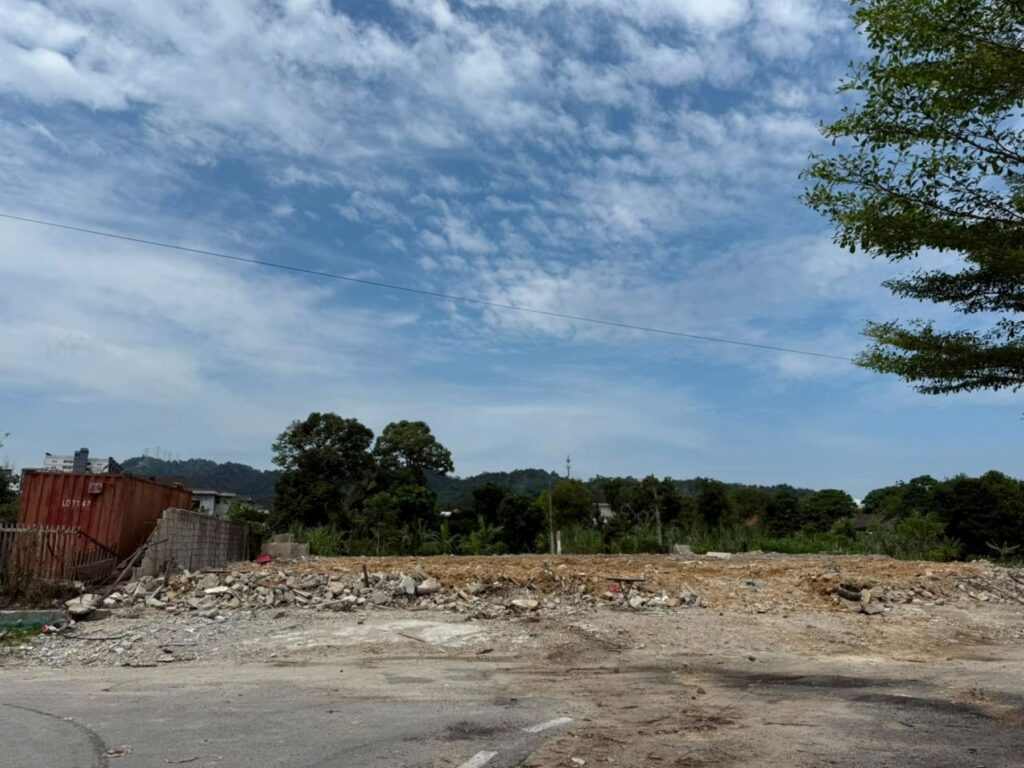

Citizen Science Empowers National Research
Translated from Malay, summarized and contextualized by DistantNews.
At a glance
News
Sources not specified
Context piece
- Citizen science, a concept where the public actively contributes to research, is gaining traction globally but remains largely unknown and underutilized in Malaysia.
- This approach empowers communities to collaborate with researchers, leveraging local knowledge alongside academic expertise to address issues like environmental changes and disaster preparedness.
- By involving the public in data collection, analysis, and reporting, citizen science can expand research scope, control costs, and save time, offering a more inclusive and effective way to generate new knowledge.
Citizen science, a research approach that actively involves the public in scientific endeavors, is gaining global attention but has yet to be widely adopted in Malaysia. This method recognizes the public not just as data providers but as active collaborators, referred to as "citizen scientists."
The concept gained prominence during a recent search and rescue operation for a hiker lost in the jungle for 14 days. Local indigenous communities, with their deep knowledge of the terrain, joined the operation mid-search. Their involvement proved crucial, expanding the search area, identifying potential routes, and ultimately aiding in the swift location of the missing hiker.
Citizen science is part of the open science movement, promoting the inclusive sharing of knowledge, data, and research outcomes. It breaks down the traditional view of research as an exclusive domain for academics, opening doors for community partnerships in generating new knowledge. In Malaysia, however, most research still follows conventional methods, with the public solely acting as participants or respondents.
This approach allows for the integration of academic expertise with local, on-the-ground knowledge. While researchers may possess methodological skills, local communities offer invaluable experience and understanding of their environment. For instance, residents in flood-prone areas can help map water accumulation and rainfall patterns, while fishermen can provide insights into marine life changes, and highland communities can document local flora and fauna. This collaboration can lead to more effective problem-solving and a broader scope of research conducted at a controlled cost, time, and effort.
DistantNews Editorial
Originally published by Utusan Malaysia in Malay. Translated, summarized, and contextualized by our editorial team with added local perspective. Read our editorial standards.
More Stories

From Our Blog

What Gets Lost (and Found) When News Is Translated

The Critical Role of Diaspora Media in Global News

What Travellers Should Know About Countries with Restricted Press

A Digital Nomad's Guide to Following Local News

How the Same Story Looks Different in Different Countries
