


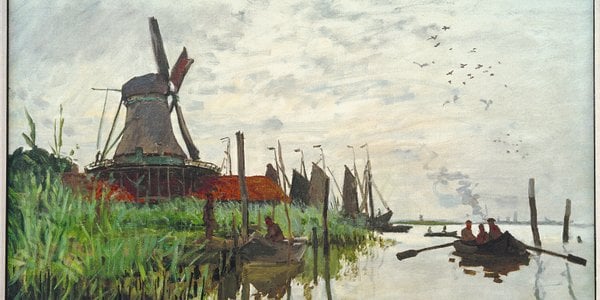
Claude Monet. Journeys and love of freedom
Translated from Polish, summarized and contextualized by DistantNews.
At a glance
In-depth
Sources not specified
Context piece
- Claude Monet found inspiration for his landscapes during periods of rest at home and in his surroundings.
- Locations like Argenteuil and Paris provided motifs for his art, reflecting his engagement with different environments.
- In 1883, Monet established a home in Giverny, creating a personal sanctuary where he could focus on his painting.
Claude Monet's artistic journey was marked by periods of tranquil retreat, during which he drew profound inspiration from his immediate surroundings. The artist often found ample motivation for his captivating landscapes while spending time at home, surrounded by family, with his garden and nearby locales serving as rich sources for his studies.
His travels and stays in various places significantly influenced his work. Argenteuil, for instance, sparked numerous masterpieces, while Paris offered a dynamic backdrop throughout his youth and mature years. Monet's time in the capital, often involving rented accommodations, allowed him to revisit the atmosphere of city parks, train stations, cafes, theaters, and restaurants whenever circumstances permitted.
A pivotal moment in Monet's life came in 1883 when he discovered a sufficiently large property in Giverny to accommodate his extensive family. This move provided him with the peace and space necessary to dedicate himself fully to his art. Upon purchasing the house, Monet realized a lifelong ambition by cultivating his own unique world, a personal haven that nurtured his creative spirit.
DistantNews Editorial
Originally published by Rzeczpospolita in Polish. Translated, summarized, and contextualized by our editorial team with added local perspective. Read our editorial standards.
More Stories

From Our Blog

What Gets Lost (and Found) When News Is Translated

The Critical Role of Diaspora Media in Global News

What Travellers Should Know About Countries with Restricted Press

A Digital Nomad's Guide to Following Local News

How the Same Story Looks Different in Different Countries
