

Climate change benefits German wine, expert says
Translated from German, summarized and contextualized by DistantNews.
At a glance
News
From a news agency
Context piece
- German winegrowers are currently benefiting from climate change, with warmer temperatures leading to higher grape ripeness and improved wine quality, especially for red wines.
- While grapevines are resilient to heat due to deep root systems, widespread rain is now desired to combat water scarcity ahead of the main harvest.
- However, excessive heat poses risks, particularly for Riesling, potentially diminishing its characteristic freshness, prompting winemakers to employ strategies to slow ripening.
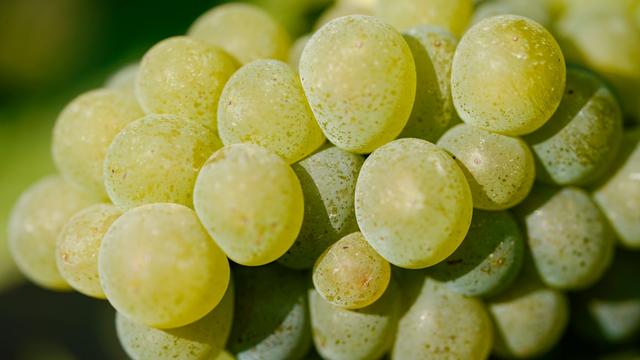
Climate change is currently yielding positive results for German wine production, with warmer temperatures contributing to higher grape ripeness and an overall improvement in wine quality. Ernst Büscher, spokesperson for the German Wine Institute (DWI), notes that the "positive effects of climate change still outweigh the disadvantages for viticulture" in Germany.
Red wines, in particular, have seen a significant quality boost due to increased color intensity and better ripeness levels. Grapevines, adapted to heat with deep root systems, are generally coping well with the high temperatures. However, with the main harvest approaching in about three weeks, winemakers are now hoping for widespread, gentle rainfall to alleviate water stress.
In the grand scheme of things, the positive effects of climate change still outweigh the disadvantages for viticulture in this country.
"Too much precipitation at once should not happen, otherwise the berries could fill too quickly with water and burst," Büscher warned, explaining that such an event would necessitate immediate harvesting, preventing the optimal picking time from being achieved. Ideal conditions for aromatic grape maturation are now considered to be temperatures between 20 to 25 degrees Celsius with cool nights.
Despite the favorable conditions for grape health, with dry weather preventing mildew, the current heat is becoming "almost too strong," according to Büscher. This poses a risk for white wines, especially Riesling, which could lose its typical freshness. To counteract this, some vintners are shortening canopy length to reduce sugar production in the grapes, aiming to prevent wines from becoming too heavy. Others are planting trees between rows to provide shade. The harvest for the first Federweißer is expected to begin as early as next week, continuing a trend of earlier harvests seen in recent years.
Too much precipitation at once should not happen, otherwise the berries could fill too quickly with water and burst. Then harvesting would have to begin immediately, and one could not hit the optimal harvest time.
DistantNews Editorial
Originally published by Die Zeit in German. Translated, summarized, and contextualized by our editorial team with added local perspective. Read our editorial standards.
More Stories

From Our Blog

What Gets Lost (and Found) When News Is Translated

How the Same Story Looks Different in Different Countries

The Critical Role of Diaspora Media in Global News

What Travellers Should Know About Countries with Restricted Press

A Digital Nomad's Guide to Following Local News
