


Climate change may be making us lonelier. How heat waves and extreme weather disrupt social connections
Summarized and contextualized by DistantNews.
At a glance
In-depth
Named sources
Context piece
- Climate change's increasing frequency of extreme weather events like heat waves and storms can disrupt social connections.
- These events damage community gathering places, interrupt routines, and hinder communication, contributing to loneliness.
- Social connections are vital for well-being, providing support during emergencies and fostering community resilience.
The escalating impacts of climate change, marked by more frequent and intense heat waves, severe storms, and wildfires, are increasingly seen as a threat not only to the environment but also to the social fabric of communities. These extreme weather events can directly impede people's ability to connect with one another, leading to social isolation and exacerbating the ongoing loneliness epidemic.
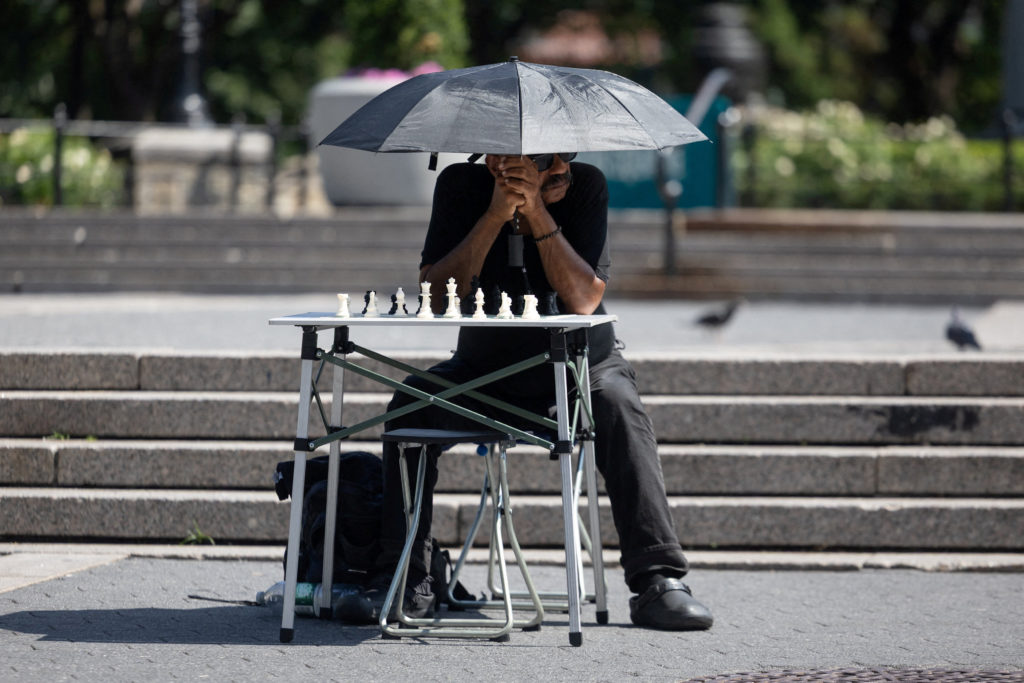
When extreme heat forces people indoors, it curtails opportunities for casual social interaction and participation in community events. Similarly, severe storms and flooding can render travel unsafe, preventing individuals from visiting family, friends, or attending social gatherings. This disruption of everyday interactions erodes the foundations of community relationships and can leave individuals feeling disconnected.
Furthermore, extreme weather often leads to power outages, severing crucial communication channels. Without electricity, people lose access to phones, internet, and other means of staying in touch with loved ones or receiving vital information. This isolation is particularly acute during prolonged outages, which can last for weeks, leaving residents cut off from support networks.
Social connections are recognized as essential for both individual and collective well-being. Strong social ties enhance mental health, reduce stress, and provide critical support during emergencies. They facilitate the sharing of information, enable mutual aid, and empower communities to act collectively. As climate change weakens these connections, it undermines the very resilience that communities need to navigate environmental crises.
I don't remember it being this hot growing up. People don't want to leave their house if it's that hot. People don't want to go to community events and be out in the community.
DistantNews Editorial
Originally published by PBS NewsHour. Summarized and contextualized by our editorial team with added local perspective. Read our editorial standards.
More Stories
From Our Blog

How the Same Story Looks Different in Different Countries

What Gets Lost (and Found) When News Is Translated

The Critical Role of Diaspora Media in Global News

What Travellers Should Know About Countries with Restricted Press

A Digital Nomad's Guide to Following Local News
