


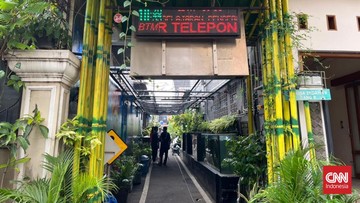
Climate Crisis and Survival Art in Malaka Jaya Alley, East Jakarta
Translated from Indonesian, summarized and contextualized by DistantNews.
At a glance
In-depth
Sources not specified
Context piece
- A narrow alley in East Jakarta's Malaka Jaya neighborhood has been transformed into a green and orderly community space through resident initiative.
- Led by RT head Taufiq Supriadi, the transformation involved planting productive trees, creating "nutrition ponds" for fish, and utilizing drainage channels for aquaculture.
- The project aims to improve the environment, provide free fish for vulnerable residents, and foster community well-being, turning a previously barren area into a vibrant hub.
In Jakarta's East Duren Sawit district, a once barren alley in Malaka Jaya has blossomed into a model of community resilience and environmental improvement. What was a narrow, congested street, barely wide enough for slow-moving cars and lined with parked vehicles, has been revitalized into a vibrant, orderly space.
The transformation began at Gang 8, marked by a distinctive yellow and green archway. Inside, the 1.5 to 2-meter-wide alley is neatly organized, with white lines painted on the floor. Walls are adorned with colorful murals, while the right side features rows of blue ceramic-tiled aquariums teeming with koi, catfish, and tilapia. The left side is lined with potted plants, some climbing to create shade, and compost bins are neatly arranged in front of homes.
So, the beginning was that it was barren. Residents hadn't separated waste. Then we mostly waited for programs from above.
This initiative, spearheaded by RT 08 head Taufiq Supriadi since his appointment in 2023, aimed to combat the area's previously arid state and the residents' lack of waste segregation habits. The first step involved planting 817 productive trees, donated by the Ministry of Environment, to create a cooler, more oxygen-rich environment. Media coverage of the area's revitalization attracted corporate social responsibility (CSR) funding, enabling further development.
The project has introduced "nutrition ponds" where catfish, tilapia, and gourami are raised and provided free to toddlers and the elderly. Catfish are also farmed in modified drainage channels in front of homes, an idea Supriadi drew from his experiences in Japan. The RT, covering approximately 5,400 square meters with 40 houses, is now monitored by CCTV, with screens displayed behind the entrance archway, showcasing the green and orderly transformation.
Make it cool, lots of oxygen, residents aren't stressed, right? Then the news picked up, many people started coming.
DistantNews Editorial
Originally published by CNN Indonesia in Indonesian. Translated, summarized, and contextualized by our editorial team with added local perspective. Read our editorial standards.
More Stories


From Our Blog

What Gets Lost (and Found) When News Is Translated

The Critical Role of Diaspora Media in Global News

What Travellers Should Know About Countries with Restricted Press

A Digital Nomad's Guide to Following Local News

How the Same Story Looks Different in Different Countries
