

Climate debate in the scientific world: China's artificial forests of billions of trees have broken the mold
Translated from Turkish, summarized and contextualized by DistantNews.
At a glance
Analysis
Documents & data
Context piece
- China's massive artificial afforestation projects are challenging existing climate and ecosystem models.
- Analysis shows these human-made forests grow two to three times faster than natural ones, potentially due to younger trees absorbing more CO2.
- Researchers suggest current global climate models have a significant blind spot regarding the age and management history of forests.
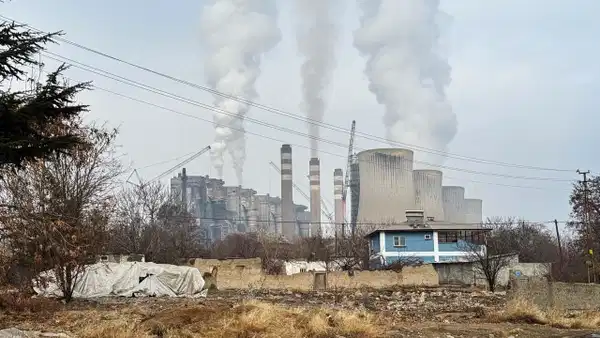
China's ambitious afforestation initiatives, aimed at combating the global climate crisis and drought, are prompting a re-evaluation of established earth science and ecosystem models. A recent analysis by Peking University, utilizing satellite data and artificial intelligence, indicates that the growth rate of these vast, human-created ecosystems significantly exceeds current global climate projections.
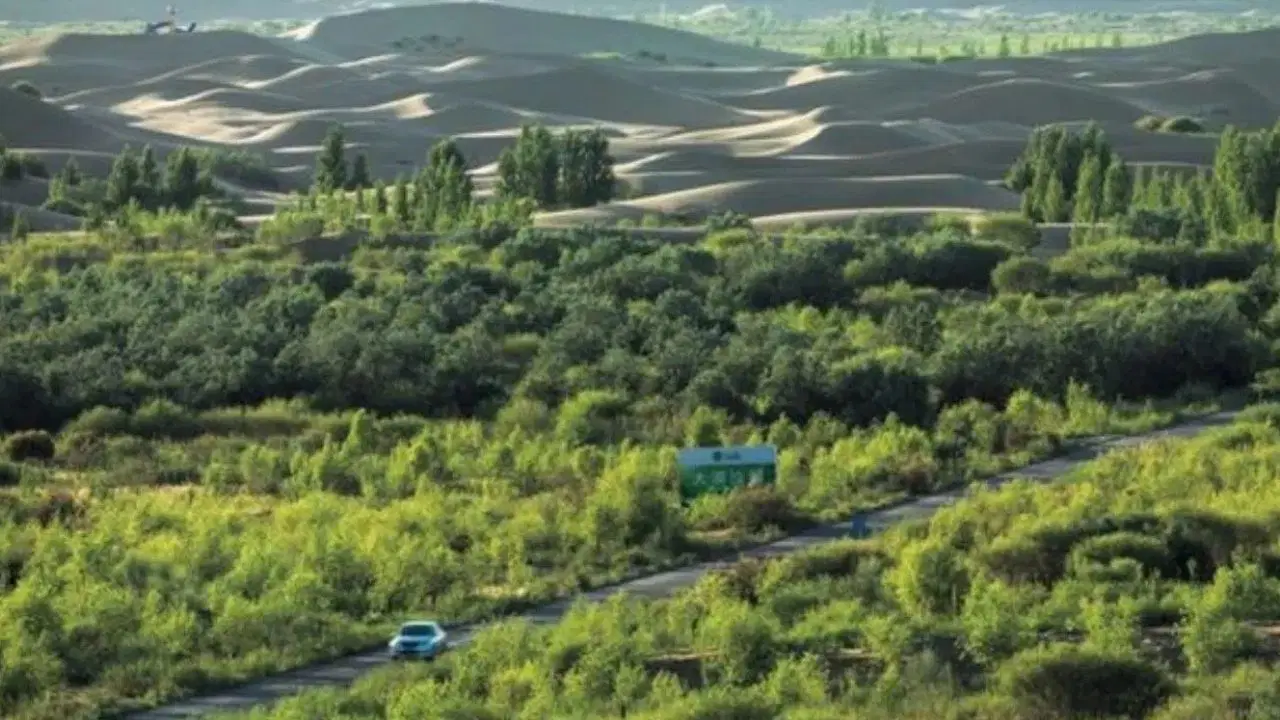
Scientists involved in the study highlight that this finding reveals a substantial "blind spot" in existing global climate models. China has been implementing one of the largest afforestation projects in history since the 1970s. Known as the "Great Green Wall," this initiative aims to prevent desert sandstorms from reaching inland areas, including Beijing, reduce carbon emissions, and combat desertification. In addition to this northern barrier, extensive forests have also been established in the country's southern subtropical and tropical monsoon regions.
By 2020, these artificial forests covered 90.31 million hectares, accounting for 36.6% of China's total forest area. However, the biological activity observed in these engineered green expanses does not align with naturally occurring forests. Researchers from Peking University compared the growth reactions of artificial and natural forests under identical environmental and climatic conditions. Their machine learning analysis revealed that human-planted forests expand their foliage two to three times faster than natural forests.
Experts attribute this accelerated growth primarily to the younger age of the trees, as young leaves are more efficient at absorbing atmospheric carbon dioxide than older tissues. Even when controlling for tree age and local soil conditions, artificial forests grew 4.6% faster than expected. This growth spurt is particularly pronounced in mixed, deciduous artificial forest structures that react intensely to rising atmospheric carbon dioxide levels. The findings, published in Geophysical Research Letters, suggest that current global climate and ecosystem prediction models may be fundamentally miscalibrated, as they often treat all forests as a single category, disregarding age and management history, which amplifies error margins.
there is a serious 'blind spot' in global climate models.
DistantNews Editorial
Originally published by Cumhuriyet in Turkish. Translated, summarized, and contextualized by our editorial team with added local perspective. Read our editorial standards.
More Stories


From Our Blog

What Gets Lost (and Found) When News Is Translated

The Critical Role of Diaspora Media in Global News

What Travellers Should Know About Countries with Restricted Press

A Digital Nomad's Guide to Following Local News

How the Same Story Looks Different in Different Countries
