

Cloud seeding: Kazakhstan brings rain, and disputes over water theft
Translated from Polish, summarized and contextualized by DistantNews.
At a glance
News
Named sources
New plan
- Kazakhstan is implementing cloud seeding technology to combat severe drought in its southern Turkestan region, aiming to increase rainfall by 15-20%.
- The program, which could yield an estimated $75 million annually, has sparked concerns among neighboring Central Asian countries about water theft.
- While Uzbekistan plans its own cloud seeding program, the UAE, a pioneer in the technology, is assisting Kazakhstan, highlighting regional tensions over water resources.
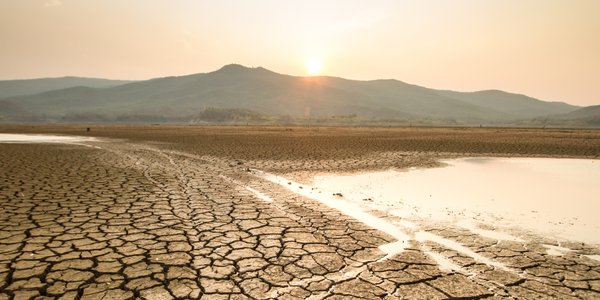
Kazakhstan is turning to cloud seeding technology to alleviate a deepening drought in its southern Turkestan region, a vital agricultural hub known for its cotton production. The government plans to implement the weather modification technique across an area of 9,110 square kilometers, with the goal of increasing precipitation by 15-20%. This initiative is projected to bring annual economic benefits estimated at $75 million.
If technologies for artificial weather modification begin to be widely used in the region, their consequences could be long-term and affect the entire ecosystem of Central Asia.
The announcement of Kazakhstan's "precipitation enhancement" program in mid-May was quickly followed by reports of heavy rainfall in the south. While the timing may be coincidental, the program has immediately triggered strong reactions from neighboring countries. Kyrgyzstan's Prime Minister Akylbek Japarov expressed concerns that widespread use of such atmospheric manipulation technologies could have long-term, ecosystem-wide consequences for Central Asia. Social media users in Kyrgyzstan voiced their anxieties more directly, accusing Kazakhstan of "stealing" water that would naturally be distributed among the region's nations.
Uzbekistan, another downstream nation, has not publicly condemned Kazakhstan's actions but has announced its own intention to launch a cloud seeding program. Meanwhile, the United Arab Emirates, which has years of experience and expertise in cloud seeding, is reportedly providing technical assistance for Kazakhstan's program. This involvement underscores the growing competition for water resources in the region and the potential for geopolitical friction.
What we don't really know about them is what their effectiveness is.
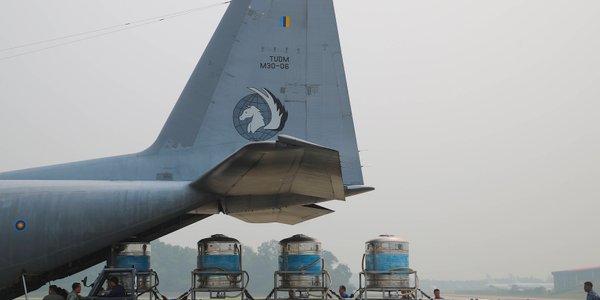
The effectiveness of cloud seeding remains a subject of scientific debate. Kaveh Madani from the UN University Institute for Water, Environment and Health noted in an interview with "New Scientist" that the actual efficacy of these technologies is not well understood. However, he acknowledged that in situations of desperation, such solutions can appear highly appealing. The technology involves dispersing substances like silver iodide into clouds to encourage precipitation, a process that is complex and influenced by numerous atmospheric factors.
But when you are desperate, it sounds very good.
DistantNews Editorial
Originally published by Rzeczpospolita in Polish. Translated, summarized, and contextualized by our editorial team with added local perspective. Read our editorial standards.
More Stories


From Our Blog

What Gets Lost (and Found) When News Is Translated

The Critical Role of Diaspora Media in Global News

What Travellers Should Know About Countries with Restricted Press

A Digital Nomad's Guide to Following Local News

How the Same Story Looks Different in Different Countries
