


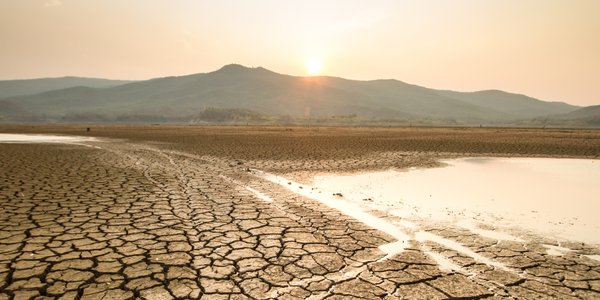
Europe's Summer of Crisis: Climate and Geopolitics Cost Billions
Translated from Polish, summarized and contextualized by DistantNews.
At a glance
News
Named sources
Context piece
- Europe faces billions in costs from a combination of climate events and geopolitical issues this summer.
- Heatwaves and low water levels are forcing nuclear power plant shutdowns, while drought disrupts key transport routes and threatens industrial supply chains.
- Energy prices are expected to rise this winter due to a tight gas market, with supply concerns exacerbated by the situation in the Middle East.
Europe is grappling with a "summer of horror" as a confluence of climate phenomena and geopolitical tensions drives costs into the billions. Record-breaking heatwaves and critically low water levels are forcing operators to shut down nuclear power plants, while severe drought conditions are paralyzing essential transport routes and jeopardizing industrial supply chains.
The continent is facing a multifaceted crisis. In Hungary, the nuclear power plant may soon be forced offline as the Danube River's water level is too low for safe cooling operations. Romania, lacking such a buffer, has seen its state-owned operator Nuclearelectrica shut down its nuclear output. Bucharest declared a state of emergency until the end of August, urging drastic energy conservation measures from both companies and private consumers.
To all the adverse phenomena, add lower work efficiency caused by heatwaves and the need to introduce production breaks. This, in turn, has an adverse effect on the results of agriculture, the energy sector, and transport.
France is also confronting similar challenges, battling not only widespread wildfires but also successive heatwaves. These conditions are expected to reduce this year's harvests, leading to higher food prices. A Dutch Triodos Bank analysis estimates that this combination of adverse factors and events will cost the European economy 180 billion euros this year, equivalent to about 1% of the EU's GDP.
Analysts at Triodos Bank highlight that the situation is compounded by reduced work efficiency due to heat and necessary production pauses, negatively impacting agriculture, energy, and transport sectors. France, the United Kingdom, and Sweden are identified as being in the most difficult positions, experiencing a sixth wave of exceptionally high temperatures. The report also notes that Europeans cannot escape rising energy prices this winter, primarily due to increasing gas costs, which have reached levels seen during the panic following the U.S. attack on Iran. With uncertain and irregular supplies from the Middle East, largely dependent on Iranian decisions, and a surge in demand for cooling due to heatwaves, filling fossil fuel reserves for winter is becoming increasingly difficult. The natural gas market in EU countries appears highly uncertain concerning winter demand.
The natural gas market in EU countries looks very uncertain when we look from the perspective of winter demand.
DistantNews Editorial
Originally published by Rzeczpospolita in Polish. Translated, summarized, and contextualized by our editorial team with added local perspective. Read our editorial standards.
More Stories
From Our Blog

What Gets Lost (and Found) When News Is Translated

The Critical Role of Diaspora Media in Global News

What Travellers Should Know About Countries with Restricted Press

A Digital Nomad's Guide to Following Local News

How the Same Story Looks Different in Different Countries
