


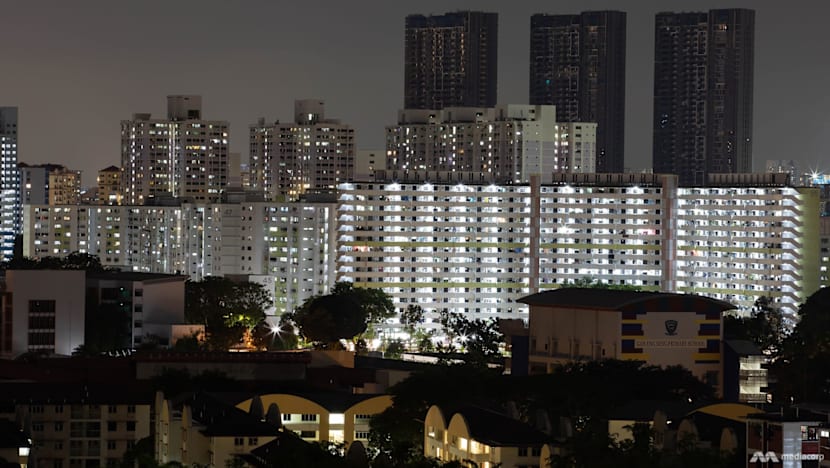
CNA Explains: How Electricity Prices Are Calculated in Singapore
Translated from English, summarized and contextualized by DistantNews.
TLDR
- The article discusses how electricity prices are calculated in Singapore, with a focus on the factors influencing these costs.
- It mentions a historical context of President Donald Trump's statements regarding blocking Iranian vessels, though this appears unrelated to the main topic.
- The article also includes unrelated snippets about CNA's digital offerings and a reader's hobby.
Singapore's approach to electricity pricing is a complex mechanism designed to balance market forces with the need for stable and affordable power. The calculation involves various components, including the cost of generating electricity, transmission and distribution charges, and market administration fees. These elements are constantly influenced by global energy markets, fuel prices, and the specific energy generation mix employed by the nation.
While the headline and initial article text focus on the intricacies of electricity price calculation in Singapore, the content takes an unexpected turn. It includes a seemingly disconnected reference to former US President Donald Trump's past statements about blocking Iranian vessels. This juxtaposition is unusual and does not appear to directly contribute to the explanation of Singapore's electricity pricing structure.
Furthermore, the article incorporates promotional material for CNA's digital platforms, such as CNA Play, CNA Games, the CNA App, newsletters, and podcasts. It also features a brief human-interest segment about a 61-year-old named Peter Chiang, who is dedicated to preserving the hobby of model-building, highlighting its benefits for younger generations. These inclusions suggest a broader editorial scope or perhaps a compilation of various content pieces rather than a singular, focused report on electricity prices.
DistantNews Editorial
Originally published by CNA in English. Translated, summarized, and contextualized by our editorial team with added local perspective. Read our editorial standards.
More Stories

From Our Blog

What Gets Lost (and Found) When News Is Translated

The Critical Role of Diaspora Media in Global News

What Travellers Should Know About Countries with Restricted Press

A Digital Nomad's Guide to Following Local News

How the Same Story Looks Different in Different Countries
