


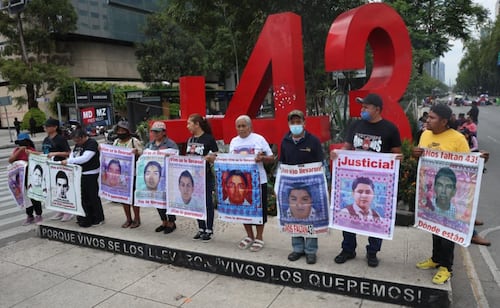
CNDH rejects claims its Ayotzinapa recommendation criminalizes NGOs
Translated from Spanish, summarized and contextualized by DistantNews.
At a glance
News
Sources not specified
Context piece
- Mexico's National Human Rights Commission (CNDH) defended its recommendation on the Ayotzinapa case, rejecting claims it criminalizes NGOs.
- The CNDH stated its analysis of involved actors, including civil society organizations, incorporates verifiable facts and contextual information.
- The commission clarified that analyzing participation does not equate to assigning responsibility or transferring state obligations for human rights violations.
Mexico's National Human Rights Commission (CNDH) has pushed back against criticism of its recommendation concerning the Ayotzinapa case. The Consejo Consultivo del Mecanismo Federal de Protección de Personas Defensoras de Derechos Humanos y Periodistas had questioned Recommendation 208VG/2026, suggesting it could stigmatize human rights organizations.
The CNDH asserted that its document "does not criminalize, stigmatize, or disqualify" civil society groups. It denied any intention to shift responsibility for the documented human rights violations away from the Mexican state. The commission explained that the section addressing the involvement of civil organizations includes only "verifiable facts" and contextual analysis to understand the various narratives influencing this high-profile case.
"Analyzing the participation of involved actors in a historical process does not imply attributing responsibility for the proven human rights violations nor transferring the obligations that correspond to the Mexican state," the CNDH stated. This comes after the Consejo Consultivo raised concerns about the CNDH's methodology and the inclusion of information regarding the financing and activities of civil society organizations.
The commission further clarified that it does not propose or promote fiscal persecution against any organization, nor does it intend to use the tax administration service as a pressure tactic. Information included in the recommendation was obtained through transparency requests, aiming to "contextualize and make transparent the participation of the different actors involved" in the events of September 26-27, 2014. The CNDH maintains that reviewing the resources of social organizations, international bodies, and media is part of public scrutiny when they engage in matters of national interest.
Analyzing the participation of involved actors in a historical process does not imply attributing responsibility for the proven human rights violations nor transferring the obligations that correspond to the Mexican state.
DistantNews Editorial
Originally published by El Universal in Spanish. Translated, summarized, and contextualized by our editorial team with added local perspective. Read our editorial standards.
More Stories

From Our Blog

What Press Freedom Means for the News You Read

What Gets Lost (and Found) When News Is Translated

The Critical Role of Diaspora Media in Global News

What Travellers Should Know About Countries with Restricted Press

A Digital Nomad's Guide to Following Local News
