


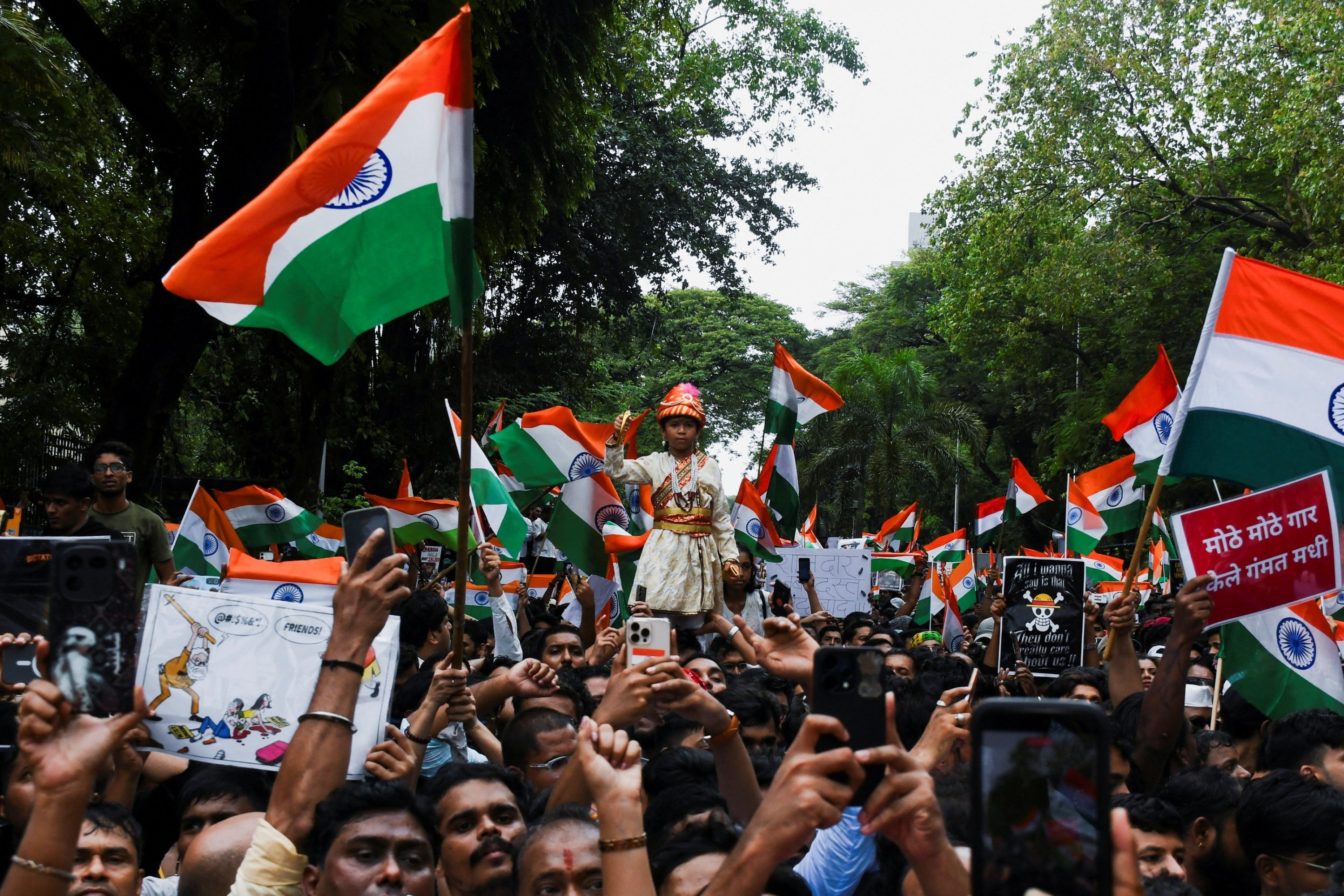
Cockroach movement: How India's Gen Z is challenging New Delhi
Summarized and contextualized by DistantNews.
At a glance
News
Sources not specified
Context piece
- India's youth have launched a mass anti-government movement, dubbed the
New Delhi has become the epicenter of a youth-led revolution in India, with young people adopting the derogatory term "cockroaches" coined by a judge and transforming it into a symbol of defiance against the government. This movement, camping at Jantar Mantar, presents a significant challenge to Prime Minister Narendra Modi's administration, potentially overshadowing previous protests like the farmers' movement.
He meant it as an insult, but the youth took the word and turned it into a mass anti-government movement.
The catalyst for this widespread discontent was the leak of the national medical entrance exam, NEET. The scandal, which forced many students to retake the exam, ignited fury among a generation for whom educational success is paramount. The frustration boiled over on July 20, when thousands of young people marching toward parliament were met with tear gas and batons, resulting in approximately 180 injuries, according to reports. Human Rights Watch has called for an investigation into the police's use of force, while mobile internet services were disrupted in parts of the city.
For years, the deal in India was simple. Study hard, and you will succeed. That deal is broken now.
This unrest highlights a broken social contract in India, where the traditional promise of success through hard work no longer holds. Graduate unemployment exceeded 15% in March, prompting many young Indians to seek opportunities abroad. The perceived disdain from the elite, exemplified by the judge's insult, fuels the protesters' anger. Activist Sonam Wangchuk's hunger strike demanding the education minister's resignation, which ended with his removal by police, became a potent symbol for the movement.
When the top judge of the land calls these same young people parasites, it tells you everything about how the people at the top actually see the people at the bottom.
What began as an online mockery of the government's insult has rapidly grown into a massive online and offline protest. The ruling party, initially dismissive, now faces a widespread youth movement that has turned a derogatory term into a rallying cry. The protesters' shared sentiment suggests a deep disillusionment with the country's direction, regardless of specific issues like exam leaks or protest crackdowns.
That single image did more to fuel the protest than a hundred speeches could have.
DistantNews Editorial
Originally published by Daily Sabah. Summarized and contextualized by our editorial team with added local perspective. Read our editorial standards.
More Stories



From Our Blog

What Gets Lost (and Found) When News Is Translated

The Critical Role of Diaspora Media in Global News

What Travellers Should Know About Countries with Restricted Press

A Digital Nomad's Guide to Following Local News

How the Same Story Looks Different in Different Countries
