


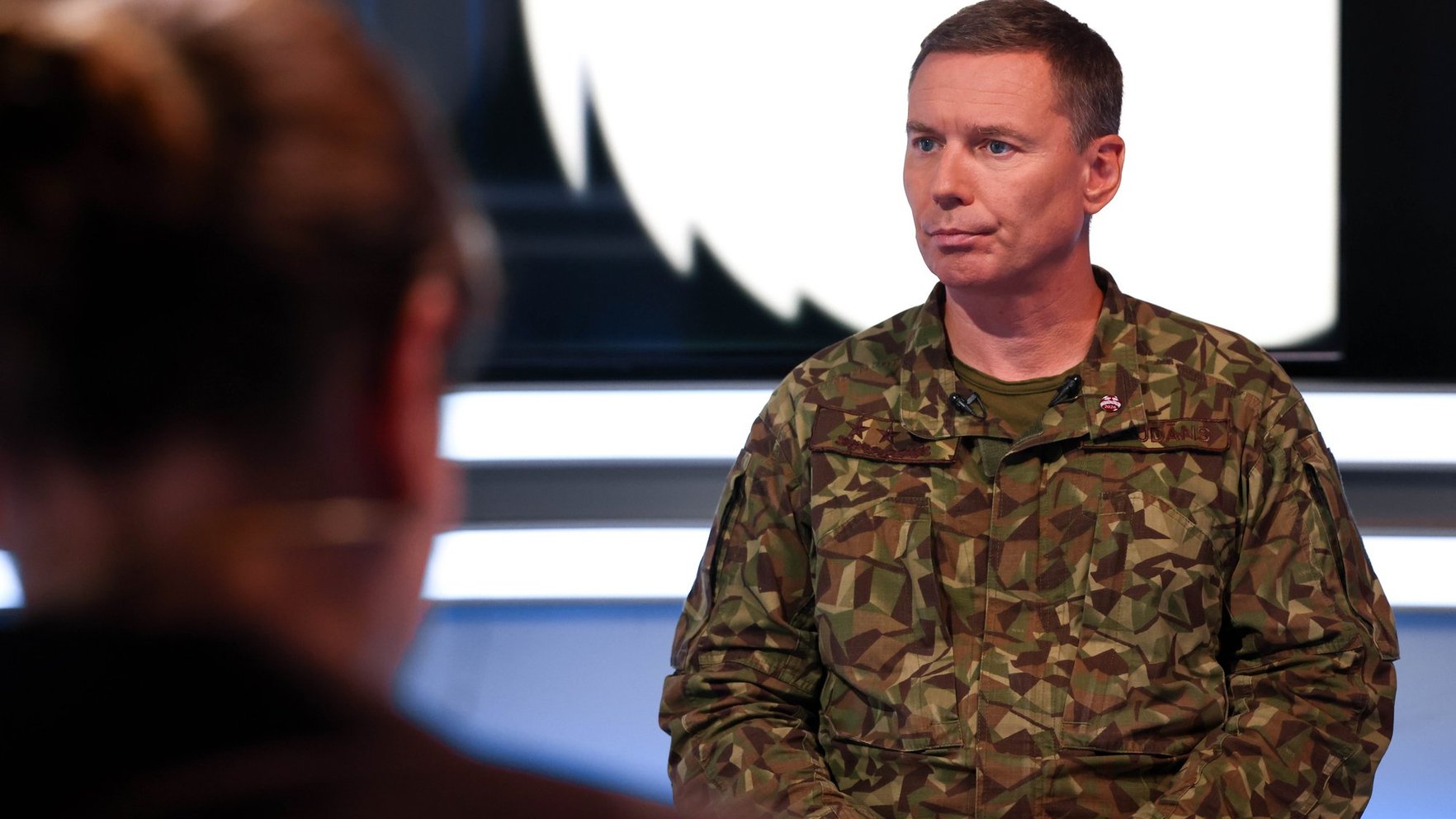
Commander: Storm's Aftermath Reveals 20-Year-Old Problems
Translated from Latvian and summarized by DistantNews. Read the original for the full story.
At a glance
News
Sources not specified
Outcome reported
- Despite emergency services largely managing the storm's aftermath, persistent issues from over 20 years ago have resurfaced.
- The National Armed Forces Commander highlighted the need to improve critical services and alternative communication methods.
- Residents must be prepared for self-sufficiency, and infrastructure restoration could face challenges during other crises.
The recent devastating storm exposed long-standing problems in Latvia, issues that have persisted for over two decades, according to Lieutenant General Kaspars Pudāns, Commander of the National Armed Forces. While emergency services and critical infrastructure companies managed the immediate aftermath, Pudāns noted on Delfi TV's program "Kāpēc" that the same vulnerabilities remain.
Pudāns emphasized the urgent need to bolster critical services and develop robust alternative communication systems. He pointed out that these issues were evident even after the destructive storm in January 2005, indicating a lack of progress in addressing fundamental infrastructure and preparedness needs.
Beyond governmental and infrastructural shortcomings, Pudāns stressed the importance of individual preparedness. He urged residents to be ready to care for themselves for a certain period, acknowledging that external support might be delayed or insufficient during widespread crises. Furthermore, he warned that the restoration of damaged infrastructure could be significantly hampered if other emergencies occur concurrently.
The commander's remarks underscore a critical gap in national resilience, suggesting that despite efforts, the country remains ill-equipped to handle large-scale disruptions effectively. The recurring nature of these problems points to a need for more sustained and effective long-term planning and investment in critical infrastructure and emergency response capabilities.
About this summary
Originally published by Delfi Latvia in Latvian. Translated, summarized, and contextualized automatically by DistantNews, with a note on how the source frames the story. Not individually reviewed before publishing. How this works.
More Stories
From Our Blog

What Gets Lost (and Found) When News Is Translated

The Critical Role of Diaspora Media in Global News

What Travellers Should Know About Countries with Restricted Press

A Digital Nomad's Guide to Following Local News

How the Same Story Looks Different in Different Countries
