

Commentary: Southeast Asia’s scam centres are a new US-China battleground
Summarized and contextualized by DistantNews.
TLDR
- Southeast Asia is grappling with a surge in cyberfraud and scam centers, generating billions of dollars annually.
- China and the US both have strategic interests in combating these operations but are unlikely to cooperate due to geopolitical rivalry.
- The region's anti-cyberfraud efforts are becoming a new front in US-China competition, with each country promoting its own digital tools and security partnerships.
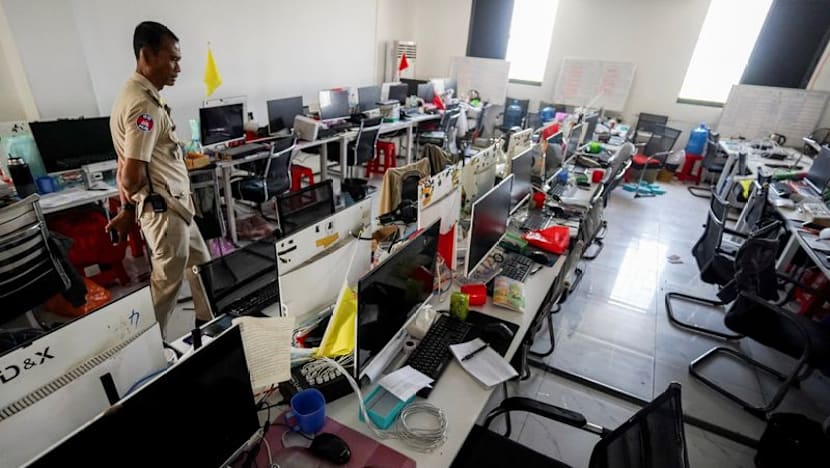
Southeast Asia finds itself at the nexus of a growing cybercrime epidemic and the intensifying geopolitical rivalry between the United States and China. The region's burgeoning scam centers, responsible for illicit proceeds equivalent to 40% of their combined GDP, are not just a criminal menace but a new arena for superpower competition.
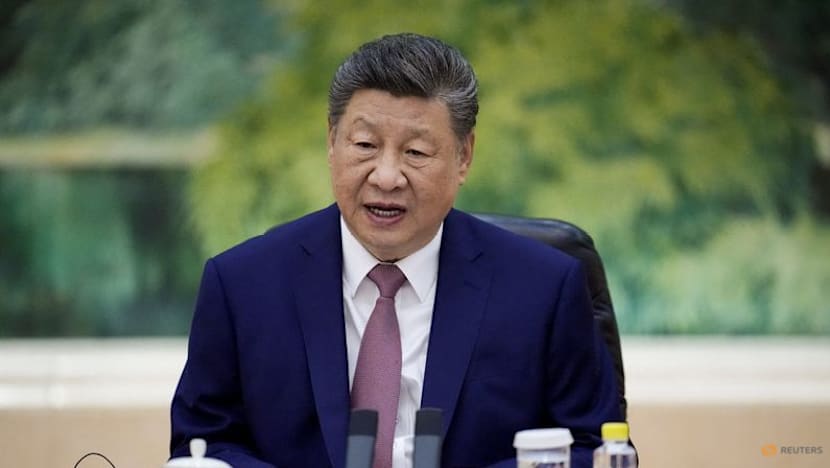
While both Beijing and Washington profess a desire to combat these fraudulent operations, their approaches diverge sharply, reflecting their broader strategic interests. China champions cyber sovereignty, emphasizing state-controlled surveillance and cross-border police deployments, as seen in its joint efforts with Myanmar to arrest Chinese citizens involved in fraud. This focus, however, primarily addresses Chinese victims and perpetrators, aligning with Beijing's broader agenda of maintaining control and influence.
The United States, conversely, advocates for open, interoperable systems and international cooperation based on shared democratic values. However, the very nature of combating sophisticated cybercrime—which involves data access, surveillance, and cross-border policing—makes genuine US-China collaboration exceedingly difficult. Each nation is vying to establish its digital tools and security partnerships as the preferred standard in Southeast Asia, turning a critical fight against crime into another proxy battleground.
From a regional perspective, this US-China jockeying is concerning. While international attention is drawn to the superpower dynamic, the immediate needs of Southeast Asian nations—to dismantle these criminal networks, protect their citizens, and secure their economies—risk being sidelined. The focus on geopolitical advantage could undermine effective, localized solutions, leaving the region more vulnerable despite the increased international focus.
DistantNews Editorial
Originally published by CNA. Summarized and contextualized by our editorial team with added local perspective. Read our editorial standards.
More Stories



From Our Blog

What Gets Lost (and Found) When News Is Translated

The Critical Role of Diaspora Media in Global News

What Travellers Should Know About Countries with Restricted Press

A Digital Nomad's Guide to Following Local News

How the Same Story Looks Different in Different Countries
