


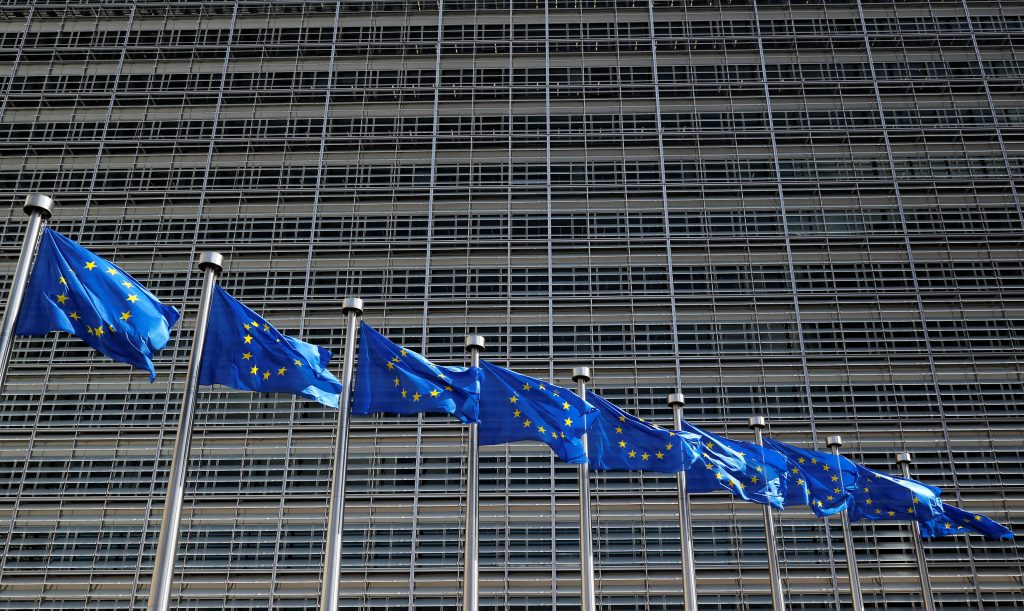
Commission: Limited easing of fiscal rules to tackle energy crisis
Translated from Greek, summarized and contextualized by DistantNews.
At a glance
News
Named sources
Context piece
- The European Commission has announced a limited easing of fiscal rules to help member states address the energy crisis.
- Member states can allocate up to 0.3% of GDP annually for specific energy support measures between 2026-2028, within existing flexibility limits.
- The decision aims to support households and businesses while encouraging energy security and transition, but rejects broader exceptions for energy-related spending.
The European Commission has announced a constrained relaxation of fiscal rules, enabling member states to better finance measures aimed at tackling the ongoing energy crisis. This decision, however, largely rejects Italy's request for a more extensive exemption of energy-related expenditures from the EU's fiscal framework.
Under the current flexibility limit of 1.5% of GDP, available through the national escape clause for defense spending, member states will now be permitted to allocate up to 0.3% of their GDP annually for specific energy support measures. This provision will be in effect for the period between 2026 and 2028, with a total ceiling set at 0.6% of GDP.
We see that the energy crisis is lasting longer than initially foreseen. The Strait of Hormuz remains closed, which keeps fuel prices at high levels and burdens economic growth and inflation.
Paolo Gentiloni, the European Commissioner for Economy, announced the decision in Brussels during the presentation of the European Semester. He acknowledged that the energy crisis is persisting longer than initially anticipated, contributing to high fuel prices and impacting economic growth and inflation. The Commission recognizes the shock caused by the conflict in the Middle East but insists that support measures must remain temporary and targeted, without increasing overall demand for fossil fuels.
The Commission has decided that expenditures promoting Europe's energy security and accelerating the energy transition can fall under the existing flexibility for defense spending. Eligible costs include programs for boiler replacements, heat pump installations, photovoltaic systems, and incentives for electric vehicle purchases. While the scope of the escape clause was expanded following a request from Italy, the Commission did not grant a generalized exemption for all emergency energy measures, limiting the additional flexibility to interventions that reduce fossil fuel dependency and support the energy transition.
support for households and businesses must be temporary and targeted, without increasing overall demand for fossil fuels.
DistantNews Editorial
Originally published by Ta Nea in Greek. Translated, summarized, and contextualized by our editorial team with added local perspective. Read our editorial standards.
More Stories

From Our Blog

What Gets Lost (and Found) When News Is Translated

The Critical Role of Diaspora Media in Global News

What Travellers Should Know About Countries with Restricted Press

A Digital Nomad's Guide to Following Local News

How the Same Story Looks Different in Different Countries
