

Commune Sues Household for Unpaid Rent on Public Land in Cà Mau
Translated from Vietnamese, summarized and contextualized by DistantNews.
TLDR
- The Trí Phải commune government in Cà Mau province has sued a household for using public land without paying rent.
- The dispute involves land originally allocated under Project 773 for resettling poor and policy-benefiting households, which has been used for years without clear legal ties or financial obligations.
- The lawsuit is currently being handled by the Cà Mau Regional Court, with the commune acknowledging past management issues and lost documentation contributing to the situation.
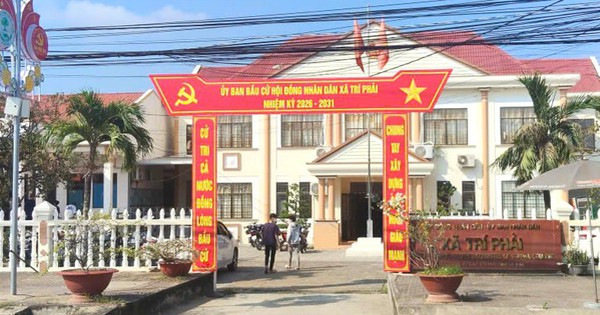
In a rare move, the Trí Phải commune government in Cà Mau province has taken a household to court over the prolonged use of public land without fulfilling financial obligations. This legal action highlights a complex land management issue stemming from Project 773, initiated in 1996 to resettle impoverished and policy-benefiting families on undeveloped land.
Over the years, the land initially managed by the commune has been subdivided and occupied by numerous households, leading to the current situation where ten households are using the public land. Despite directives from the Thới Bình district in the early 2000s to liquidate and terminate lease agreements, these households did not comply. Since 2013, they have neither signed new lease contracts nor paid the required rent, creating a legal gray area.
The commune government itself acknowledges that responsibility for managing this public land has been shared across different administrations and past officials. Compounding the issue, crucial documentation related to the land's management has been lost or misplaced, which the current users have cited in their requests for land use rights. The Cà Mau Regional Court is now tasked with resolving this dispute, which underscores the challenges of managing public assets and the legacy of past land distribution policies in Vietnam.
DistantNews Editorial
Originally published by Thanh Niên in Vietnamese. Translated, summarized, and contextualized by our editorial team with added local perspective. Read our editorial standards.
More Stories


From Our Blog

What Gets Lost (and Found) When News Is Translated

The Critical Role of Diaspora Media in Global News

What Travellers Should Know About Countries with Restricted Press

A Digital Nomad's Guide to Following Local News

How the Same Story Looks Different in Different Countries
