


Concert as Experiment: Ecstasy and Headbanging to Classical Sounds
Translated from German, summarized and contextualized by DistantNews.
At a glance
In-depth
Sources not specified
Context piece
- The Kunstuni Graz is experimenting with a classical concert format where the audience is encouraged to move freely.
- The project, led by Kendra Stepputat, explores how movement affects the perception of classical music.
- The event includes a premiere and aims to break traditional concert etiquette by allowing dancing, lying down, or walking during the performance.
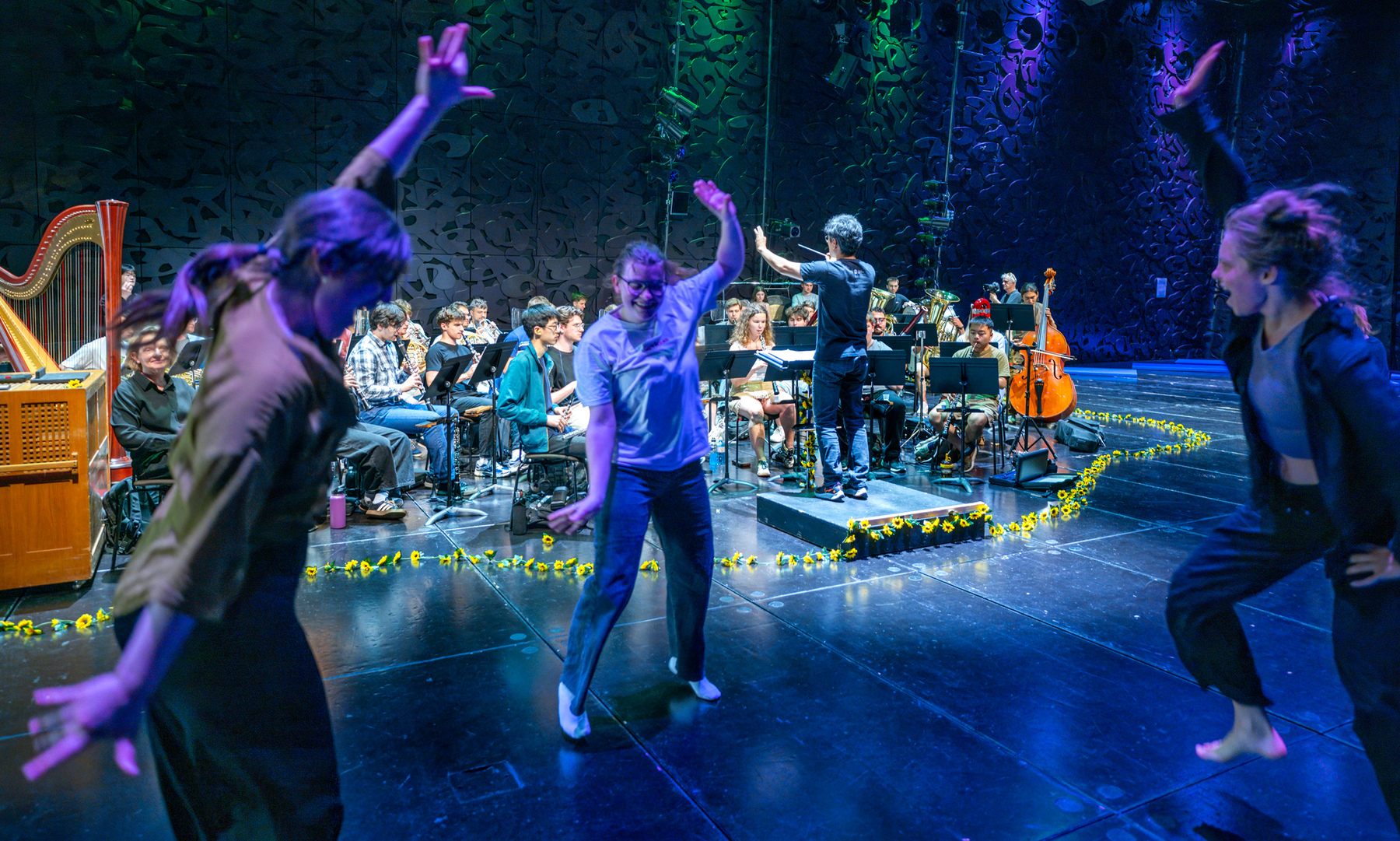
An innovative experiment is underway at Kunstuni Graz, challenging the conventional norms of classical music concerts. The institution is exploring how audience movement impacts the perception of classical music, inviting attendees to dance, lie down, or wander during a performance. This unique event, described as a premiere and a scientific experiment, aims to break down the rigid etiquette typically associated with classical music performances.
Kendra Stepputat, the project leader and a researcher in choreomusicology at the institute, explained the core question driving the experiment: "How is music perceived differently when one sits and listens only with one's ears, and how when one can move freely?" Previous research in this area has largely focused on dance music genres like Electronic Dance Music or Tango Argentino. Applying this concept to classical music represents uncharted territory, not only for research but also for Austria.
The audience, a diverse mix of ages and styles, gathered with a sense of anticipation. Unlike traditional concerts, there was no dress code, and the usual instructions to find a seat, remain still, and applaud at specific moments were replaced by a brief introduction from the "crew", students who helped develop the project. They explained that the usual flow of musicians and conductors would also follow different rules.
Upon entering the concert hall, attendees were greeted by an unusual setup. The Symphonic Wind Orchestra was positioned in the center, surrounded by sunflowers on the floor. Some audience members immediately began moving ecstatically to Étienne Crausaz's "Balkan Dance," while others observed cautiously, some sitting on blue mats or relaxing in hanging chairs. For those preferring a traditional experience, a few rows of seats were available, but no one was obligated to remain seated.
How is music perceived differently when one sits and listens only with one's ears, and how when one can move freely?
DistantNews Editorial
Originally published by Die Presse in German. Translated, summarized, and contextualized by our editorial team with added local perspective. Read our editorial standards.
More Stories



From Our Blog

What Gets Lost (and Found) When News Is Translated

The Critical Role of Diaspora Media in Global News

What Travellers Should Know About Countries with Restricted Press

A Digital Nomad's Guide to Following Local News

How the Same Story Looks Different in Different Countries
