


Congo Ebola Fight Hampered by Healthcare Worker Strike Over Unpaid Wages
Translated from Polish, summarized and contextualized by DistantNews.
At a glance
News
Named sources
Ongoing story
- Healthcare workers in the Democratic Republic of Congo are protesting delayed wages and benefits, halting their work.
- The strike impacts the fight against an Ebola epidemic in the Ituri province, a region already destabilized by rebel fighting.
- Government officials cite logistical issues for payment delays, while protesters and the WHO call for better support for frontline workers.
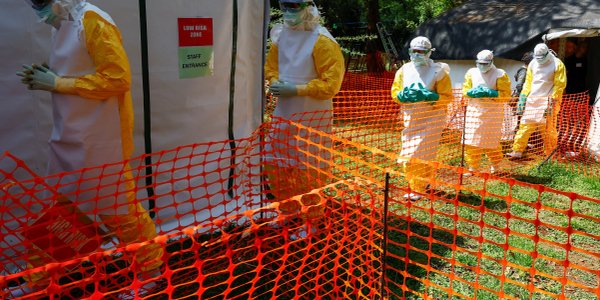
Healthcare workers in the Democratic Republic of Congo have stopped working, protesting months of unpaid wages and benefits. The strike, centered in the Ituri province, is severely hindering efforts to combat a deadly Ebola epidemic. Medics, including those caring for severely ill patients, have abandoned their posts due to the prolonged payment delays.
lack of adequate management and non-payment of salaries make it impossible to effectively stop the spread of the virus.
This financial crisis has persisted since the epidemic was officially declared in mid-May. Ituriregion, one of the country's most inaccessible and unstable areas, faces additional challenges from ongoing rebel conflicts. Protesters told the Associated Press that poor management and unpaid salaries prevent effective containment of the virus. Local and national authorities have attributed the payment delays to logistical problems, but the government has not commented on the striking workers' current demands.
The government reports 3,973 confirmed Ebola cases and 1,801 deaths. Ituri province accounts for nearly 90 percent of the nation's diagnosed cases. This outbreak is the second-largest and deadliest in recorded history, surpassed only by the West Africa crisis of 2014-2016. Currently, 674 patients are in medical isolation, mostly in Ituri.
ensure real support and care for those working on the front lines.
Beyond payment issues, healthcare in Congo faces constant security threats. Medical personnel and facilities are frequently targeted by local militias and public unrest. World Health Organization Director-General Tedros Adhanom Ghebreyesus urged the government to provide real support for frontline workers during a visit. Doctors Without Borders noted that the disease is spreading at an unprecedented rate, with aid efforts failing to reach communities in time to break transmission chains. Health services monitor about 75 percent of those exposed to infected individuals, but 60-70 percent of new cases involve people who were not previously known to have had contact with the sick.
the spread of the disease is happening at an unprecedented rate.
DistantNews Editorial
Originally published by Rzeczpospolita in Polish. Translated, summarized, and contextualized by our editorial team with added local perspective. Read our editorial standards.
More Stories


From Our Blog

What Gets Lost (and Found) When News Is Translated

The Critical Role of Diaspora Media in Global News

What Travellers Should Know About Countries with Restricted Press

A Digital Nomad's Guide to Following Local News

How the Same Story Looks Different in Different Countries
