


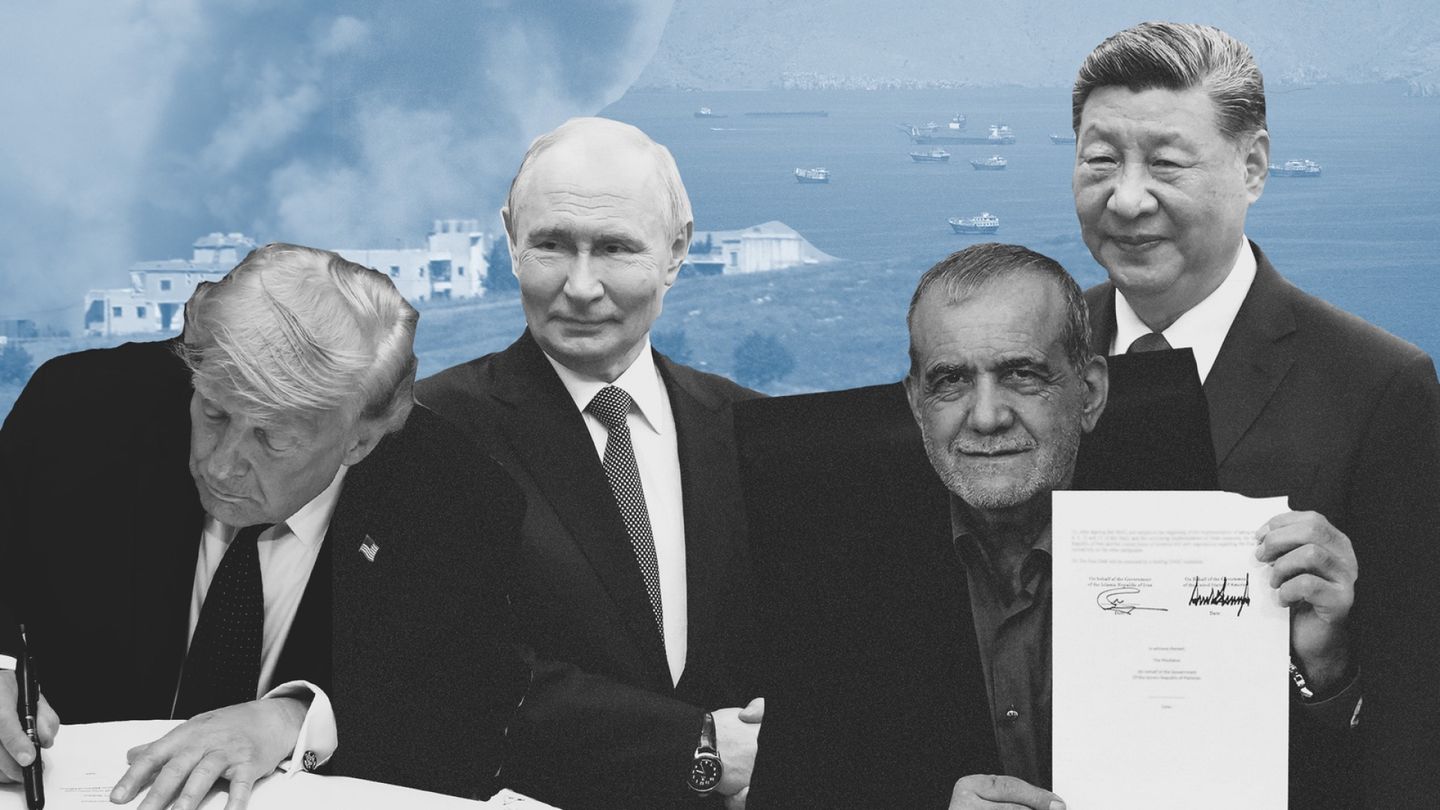
Consequences of the Iran war | U.S. and Israeli military actions have put the world in a new position
Translated from Finnish, summarized and contextualized by DistantNews.
At a glance
Analysis
Sources not specified
Context piece
- The U.S. and Iran have signed a preliminary agreement, but the war has already reshaped global relations and economies.
- The conflict has caused immense human suffering, with thousands killed and countless homes destroyed in Iran and Lebanon.
- Despite the agreement, Israel continued strikes in Lebanon, and the U.S. is perceived as a "paper tiger" whose security guarantees have weakened.
The world finds itself in a new position following the signing of a preliminary agreement between the United States and Iran, even as the conflict's devastating human cost continues to unfold. The war has already profoundly altered state relations, the global economy, and future prospects, leaving a trail of destruction. Thousands have been killed and wounded in Iran and Lebanon alone, with innumerable homes, communities, and futures shattered.
Despite the agreement, Israel has continued its military actions, including strikes in Lebanon on Friday. The United States' credibility and its security guarantees have been significantly eroded throughout the world as a consequence of the war. U.S. troops are expected to withdraw from areas near Iran within 30 days of a final agreement, a development Iran can claim as a victory, having compelled the superpower's retreat.
Furthermore, the U.S. has failed to degrade Iran's military capabilities despite months of bombing. Iran's relatively inexpensive drones and missiles have penetrated the air defense systems of U.S. allies in the Middle East. Iran has kept its missile and drone systems secure in underground facilities, and while the U.S. and Israel managed to damage some entrances during the war, Iran effectively excavated them.
Intelligence assessments indicated that Iran retained approximately 70 percent of its mobile missile launchers and missiles. This objective of degrading Iran's strike capabilities was explicitly stated by the U.S. in February and March. Allies in the Persian Gulf have watched with dismay as President Trump's subsequent remarks about Iran's missiles have created further uncertainty. The preliminary agreement makes no mention of Iran's missile program, a point of contention given that Saudi Arabia and Qatar also possess such weapons. Attention in the Persian Gulf may now turn towards countries like South Korea and Ukraine for new missile and drone defense capabilities, as trust in U.S. assurances has been shaken since the war's outset, which many viewed as unnecessary and its objectives at times misguided.
DistantNews Editorial
Originally published by Helsingin Sanomat in Finnish. Translated, summarized, and contextualized by our editorial team with added local perspective. Read our editorial standards.
More Stories
From Our Blog

What Gets Lost (and Found) When News Is Translated

The Critical Role of Diaspora Media in Global News

What Travellers Should Know About Countries with Restricted Press

A Digital Nomad's Guide to Following Local News

How the Same Story Looks Different in Different Countries
