

Ukraine War: EU Prepares for Peace Talks, Opens Diplomatic Channel to Kremlin
Translated from Finnish, summarized and contextualized by DistantNews.
At a glance
News
Named sources
Ongoing story
- The EU is opening diplomatic channels with Russia to prepare for potential peace negotiations regarding the conflict in Ukraine.
- European Council President Charles Michel initiated a quiet diplomatic channel with the Kremlin, aiming to be ready when the right moment arises to defend European interests.
- While some EU members, particularly in Eastern and Northern Europe, expressed concerns about Russia's willingness to negotiate, others, like Austria and Portugal, welcomed the initiative.
The European Union is establishing diplomatic channels with Russia as part of its preparations for potential peace negotiations concerning the ongoing conflict in Ukraine. European Council President Charles Michel has been quietly opening a diplomatic line to the Kremlin in recent weeks, with the objective of being prepared to defend European interests when the opportune moment arrives.
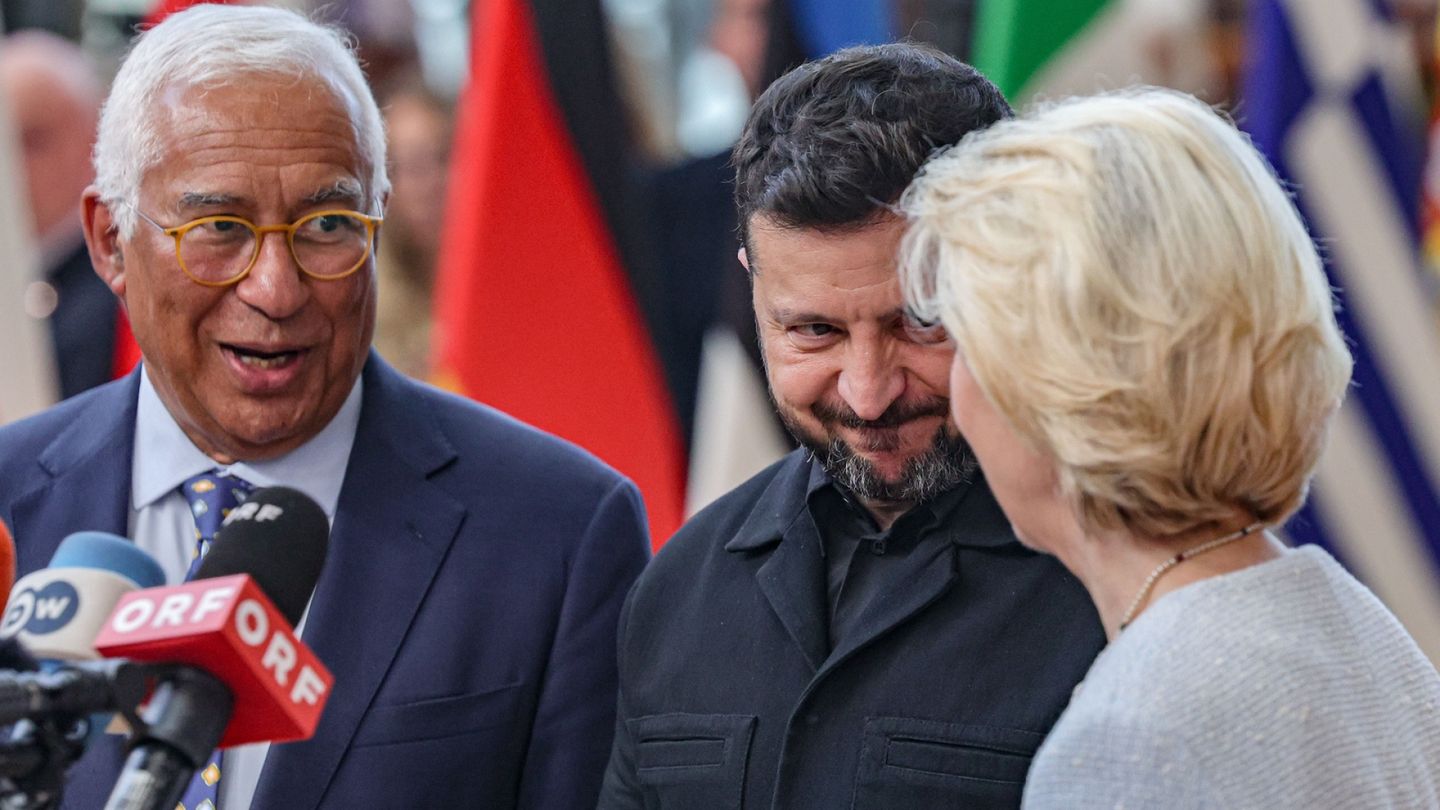
This initiative, which was not known to all member states in advance, was disclosed by Michel to EU leaders during a summit in Brussels. An EU official source described the move as merely opening a channel, not initiating any negotiations. Michel decided to open the channel after Ukrainian President Volodymyr Zelenskyy urged Europe to take a stronger role in the peace process, especially as U.S. attention shifted elsewhere.
he had asked his staff to open a diplomatic channel to Russia. The goal is to be ready, when the right moment comes, to defend European interests
However, Michel's initiative has not been universally welcomed within the EU. Eastern and Northern European countries have voiced concerns, warning that Russia may not genuinely desire peace in Ukraine. They fear that an invitation to the negotiating table could be interpreted by Russia as a sign of weakness. Latvia's Prime Minister Andris Kulbergs stated, "First of all, there should be someone on the other side who wants peace. If you look at the situation now, no one on that side wants to talk. There is no point in opening a connection if the other side does not want to talk."
First of all, there should be someone on the other side who wants peace. If you look at the situation now, no one on that side wants to talk. There is no point in opening a connection if the other side does not want to talk
Conversely, leaders from countries like Austria and Portugal have praised the opening of a negotiation channel. Austrian Chancellor Christian Stocker remarked, "I have always said that I support negotiations, because every peace begins with negotiations." Finnish President Alexander Stubb also advocated for opening a dialogue with Russia within the next two months.
The summit concluded with a statement acknowledging the EU's preparation to increase diplomatic efforts for peace and urging Russia to demonstrate a genuine desire for peace by agreeing to a ceasefire. The situation in Ukraine was a primary topic of discussion, with Zelenskyy participating in a four-hour debate. The summit did not resolve the question of who would represent Europe in potential peace talks, with some leaders suggesting the E3 (Germany, France, and Britain) while others advocated for broader European representation.
I have always said that I support negotiations, because every peace begins with negotiations
DistantNews Editorial
Originally published by Helsingin Sanomat in Finnish. Translated, summarized, and contextualized by our editorial team with added local perspective. Read our editorial standards.
More Stories

From Our Blog

What Gets Lost (and Found) When News Is Translated

The Critical Role of Diaspora Media in Global News

What Travellers Should Know About Countries with Restricted Press

A Digital Nomad's Guide to Following Local News

How the Same Story Looks Different in Different Countries
