

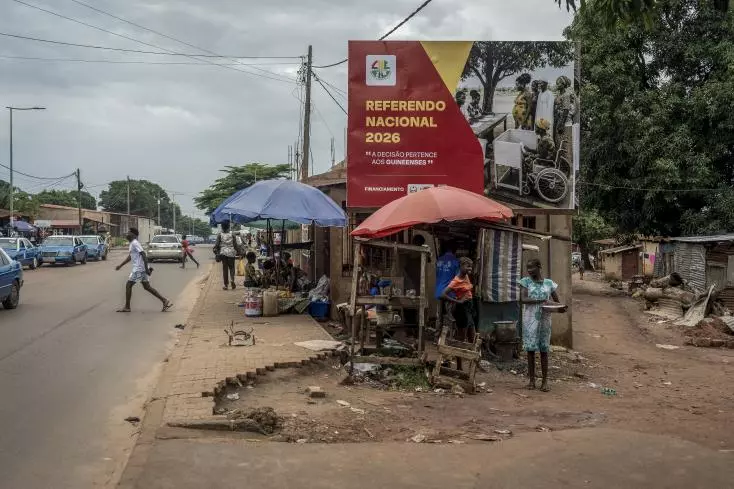
Constitutional Referendum: Yes Vote Wins in Guinea-Bissau, as Expected
Translated from French and summarized by DistantNews. Read the original for the full story.
At a glance
Analysis
Sources not specified
Approved/passed
- Guinea-Bissau voters approved a constitutional reform with 70% of votes cast in a referendum held on Aug. 30.
- Turnout reached 55% despite an opposition boycott call, while the reform will replace the semi-parliamentary system with a stronger presidential system.
- The reform’s critics and the article argue that institutional change may not resolve deeper political, electoral, judicial and cultural problems.
The “yes” vote won 70% in Guinea-Bissau’s constitutional referendum, and the result offered little surprise to those watching the country’s political turmoil. The reform will replace the semi-parliamentary system with a strong presidential model, presented by its backers as a way to end repeated institutional crises.
The real suspense lay elsewhere: in turnout. Guinea-Bissau’s opposition, or what remains of it, had called for a boycott. It argued that the reform would not cure the country’s institutional illness, but instead legitimize a government that came to power through force. The boycott did not appear to gain traction, with participation reaching 55%.
Supporters see the new system as a remedy for chronic instability. The existing semi-parliamentary arrangement has often resembled a car with two steering wheels, driven by two people looking in different directions. A president and prime minister with incompatible ambitions have left the country looking like a boat with two captains, already navigating troubled waters.
Yet the deeper problem may not be the boat, but the people holding the oars. Rewriting the Constitution, redistributing powers and strengthening the executive will not by themselves eliminate the country’s old political habits: personalized power, institutional manipulation, disputed election results and rival clans. A presidential system is no magic potion. Where the rule of law is firmly established, it can bring clarity and stability. Where checks and balances are weak, it can turn the president into the almost exclusive owner of the national shop.
The article presents Guinea-Bissau’s real reform as broader than a constitutional rewrite. It would also need to be political, electoral, judicial and, above all, cultural. Political actors would have to learn to lose elections without overturning the table, govern without trying to control everything and oppose without blocking everything. A constitution can separate powers and prevent a president and prime minister from fighting over the keys to the palace. It cannot, by itself, stop leaders from clinging to power or manufacture democrats. Changing the rules does not always change the players.
About this summary
Originally published by Le Pays in French. Translated, summarized, and contextualized automatically by DistantNews, with a note on how the source frames the story. Not individually reviewed before publishing. How this works.
More Stories
From Our Blog

What Gets Lost (and Found) When News Is Translated

The Critical Role of Diaspora Media in Global News

What Travellers Should Know About Countries with Restricted Press

A Digital Nomad's Guide to Following Local News

How the Same Story Looks Different in Different Countries
