

Construction begins on new art college building in Halle
Translated from German, summarized and contextualized by DistantNews.
At a glance
News
From a news agency
New plan
- Construction has begun on a new building for the art department at the Burg Giebichenstein University of Applied Sciences in Halle.
- The approximately 42 million euro project, delayed for years, is now expected to be completed by 2030.
- The new facility aims to strengthen the university's competitiveness and the region's standing as an art and design hub.
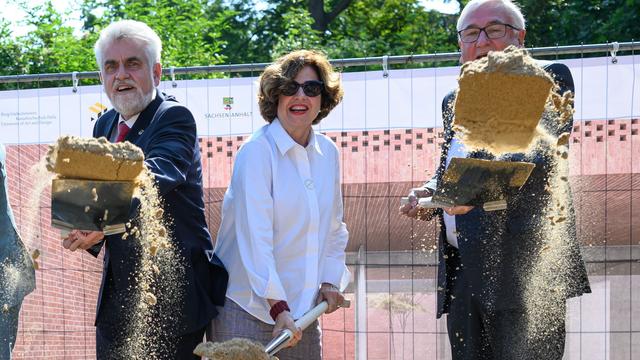
Construction has commenced on a new building for the art department at the Burg Giebichenstein University of Applied Sciences in Halle, Germany. The symbolic groundbreaking marks the official start of the approximately 42 million euro project.
With the new building Kunst at BURG, we are investing in the future of a significant and renowned art and design location in Germany.
Saxony-Anhalt's Minister of Science, Armin Willingmann, stated that the new building represents an investment in the future of a significant and renowned art and design center in Germany. The project, however, has faced years of planning and delays. Originally slated for completion in 2027, the new building is now not expected to be finished before 2030 following several planning adjustments.
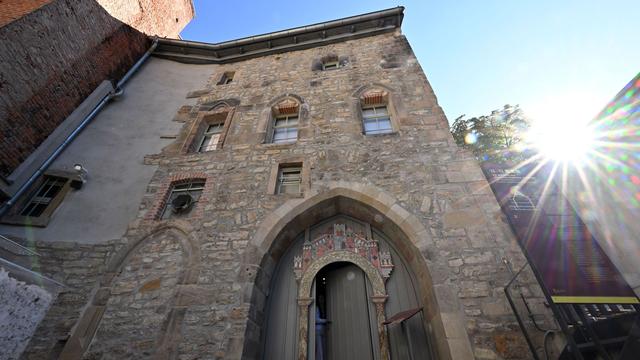
The new facility will be located opposite the existing art campus on Seebener Straße. Spanning over 3,000 square meters, it will house modern studios, workshops, a university gallery, and teaching spaces. This consolidation will bring together departments of the art faculty that are currently spread across multiple locations.
We are very pleased that the implementation of our new building can now begin.
Willingmann emphasized that the new construction will enhance the university's competitiveness and bolster Saxony-Anhalt's position as a hub for science, culture, and creativity. Rector Bettina Erzgräber expressed enthusiasm for the project's commencement, noting that the new building will provide the necessary space to more closely integrate artistic practice, teaching, research, and exhibitions. It will also foster interdisciplinary exchange and strengthen the university in the long term.
The new building creates the spatial conditions to connect artistic practice, teaching, research, and exhibitions even more closely in the future.
DistantNews Editorial
Originally published by Die Zeit in German. Translated, summarized, and contextualized by our editorial team with added local perspective. Read our editorial standards.
More Stories


From Our Blog

What Gets Lost (and Found) When News Is Translated

How the Same Story Looks Different in Different Countries

The Critical Role of Diaspora Media in Global News

What Travellers Should Know About Countries with Restricted Press

A Digital Nomad's Guide to Following Local News
