


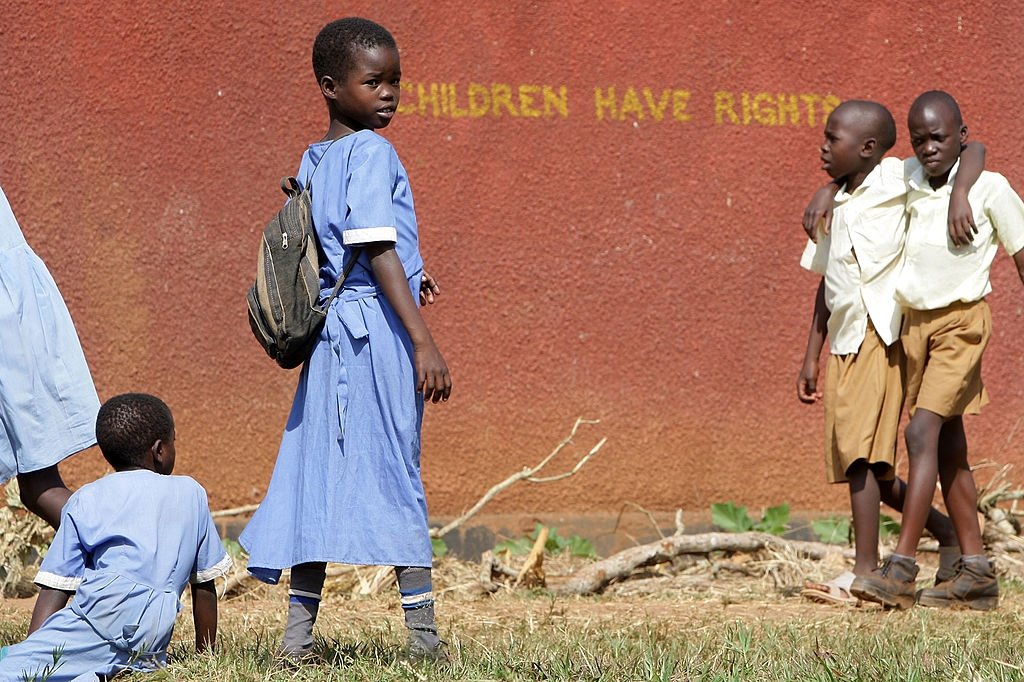
Cost of cutting education is measured in children's futures in Cambodia
Translated from English, summarized and contextualized by DistantNews.
At a glance
In-depth
Sources not specified
Context piece
- Cambodia faces a crisis as children are forced to abandon education for labor due to poverty and lack of support systems.
- Kakada's story highlights the devastating impact of lost schooling on a child's future, with families relying on them for income after parental loss.
- The article criticizes the government's failure to adequately address the issue, suggesting that the long-term cost of cutting education is borne by the nation's future.
In rural Cambodia, the dream of education is slipping away for children like Kakada, who was just 10 when school became an unaffordable luxury. After his mother's death, his family's survival depended on his labor in the cassava fields. His story, devoid of ceremony or fanfare, represents a silent crisis unfolding across the nation.
Kakada was 10 when school slipped out of reach.
The article argues that the cost of neglecting education is measured in the lost potential of these children. When families face destitution, particularly after the loss of a parent, children are often pulled from school to contribute to household income. This immediate economic necessity comes at a steep price, jeopardizing their futures and, by extension, the nation's.
After his mother died, his family depended on him to work in the cassava fields of rural Cambodia.
This situation is presented as a failure of governance, where the long-term consequences of underfunding education and lacking robust social safety nets are ignored. The piece implies that the government's inaction or insufficient support is actively harming the country's future by sacrificing the education of its youngest citizens. The emphasis is on the profound, lasting impact of these decisions on individual lives and the collective future.
There was no speech, no ceremony, no acknowledgment of the profound loss.
DistantNews Editorial
Originally published by Daily Sabah in English. Translated, summarized, and contextualized by our editorial team with added local perspective. Read our editorial standards.
More Stories


From Our Blog

What Gets Lost (and Found) When News Is Translated

The Critical Role of Diaspora Media in Global News

What Travellers Should Know About Countries with Restricted Press

A Digital Nomad's Guide to Following Local News

How the Same Story Looks Different in Different Countries
