

Court extends detention of Luis Pacheco and Héctor Chaclán amid protests from the 48 Cantones
Translated from Spanish, summarized and contextualized by DistantNews.
TLDR
- The Third Chamber of the Court of Appeals extended the pre-trial detention of Luis Pacheco and Héctor Chaclán until September 2026.
- The two indigenous leaders were arrested in April 2025 after leading protests defending the 2023 election results.
- Indigenous organization 48 Cantones of Totonicapán is protesting their continued detention, demanding their release.
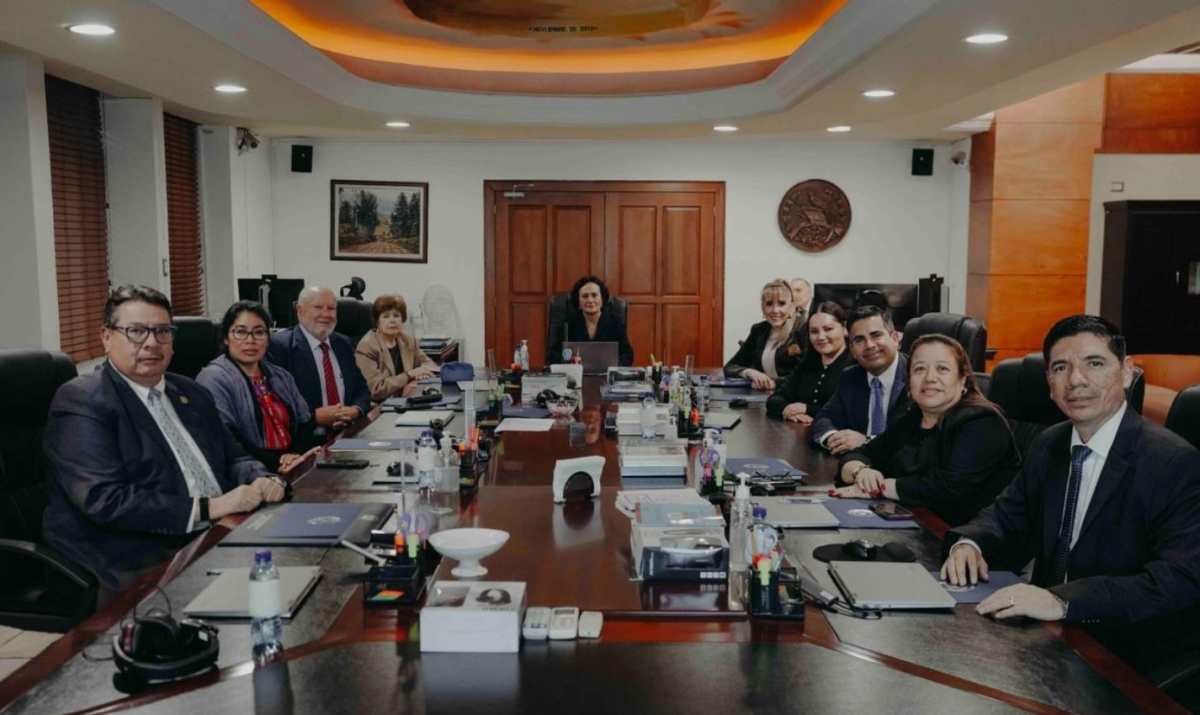
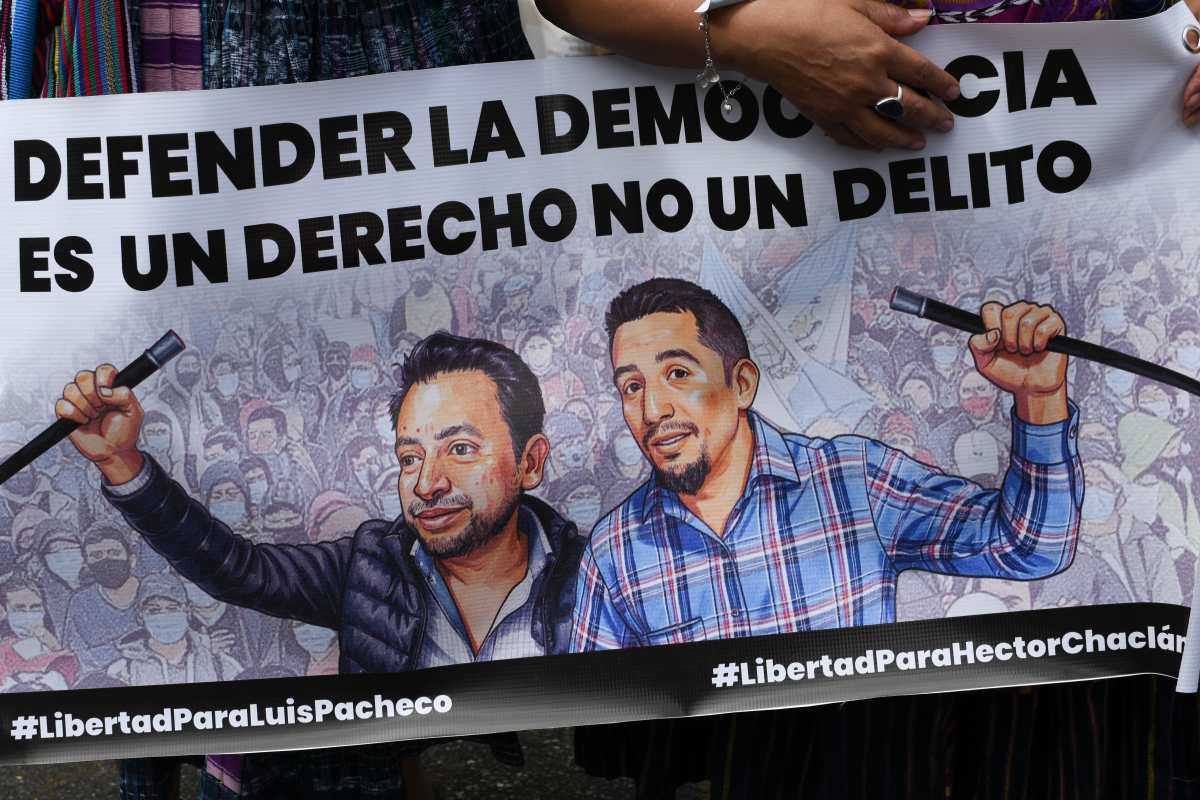
In a move that has further inflamed tensions, Guatemala's Third Chamber of the Court of Appeals has extended the pre-trial detention of indigenous leaders Luis Pacheco and Héctor Chaclán until September 2026. This decision, made on April 23rd, comes amidst ongoing protests by the influential indigenous organization 48 Cantones of Totonicapán, who are vehemently demanding the release of both men. Pacheco and Chaclán have been behind bars since April 2025, following their leadership in protests that defended the integrity of the 2023 election results.
The court's justification for extending the detention period, which was set to expire on April 22, 2026, is to "guarantee the presence of the accused within the criminal process." However, this legal reasoning is being fiercely contested by the 48 Cantones, who view the prolonged detention as a deliberate tactic to suppress dissent and criminalize peaceful resistance. The organization argues that the charges against Pacheco and Chaclán, including alleged terrorism, are being used to silence indigenous voices and undermine democratic principles.
The peaceful resistance is not terrorism and the fight for democracy is not criminalized with ambiguous penal figures.
President Bernardo Arévalo de León has publicly supported the protesters, stating that the detained leaders are accused of crimes they "did not commit" and that their capture constitutes retaliation for defending democracy. He has characterized their case as part of a broader pattern of persecution against various sectors, including judges, journalists, and human rights defenders. This stance from the highest office in Guatemala adds significant weight to the claims of political persecution and raises serious concerns about the rule of law and the independence of the judiciary.
The situation highlights a critical juncture for Guatemala, where the struggle for justice and democratic accountability is ongoing. The continued detention of Pacheco and Chaclán, despite widespread protests and presidential backing for their release, underscores the deep-seated challenges in the country's justice system. The 48 Cantones' unwavering demand for liberation and their denunciation of the "criminalization of peaceful resistance" resonate deeply within a society striving to overcome historical injustices and ensure that the fight for democracy is not met with punitive legal measures.
The detained leaders are accused of crimes they 'did not commit' and their capture is a reprisal for having defended democracy.
DistantNews Editorial
Originally published by Prensa Libre in Spanish. Translated, summarized, and contextualized by our editorial team with added local perspective. Read our editorial standards.
More Stories
From Our Blog

What Gets Lost (and Found) When News Is Translated

The Critical Role of Diaspora Media in Global News

What Travellers Should Know About Countries with Restricted Press

A Digital Nomad's Guide to Following Local News

How the Same Story Looks Different in Different Countries
