


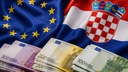
Croatia nears completion of €10 billion recovery plan: Where the European money went
Translated from Croatian and summarized by DistantNews. Read the original for the full story.
At a glance
News
Official statement
Ongoing story
- Croatia plans to submit a combined ninth and 10th payment request worth €2.7 billion by the end of September as it completes its National Recovery and Resilience Plan.
- The country has received €7.3 billion of the €10 billion available under the plan, which includes €5.8 billion in grants and €4.2 billion in loans.
- Projects have funded reforms and investments in education, justice, digitalisation, healthcare and local administration, with final payments expected by the end of 2026.
Croatia is approaching the final stage of a recovery and resilience programme worth €10 billion, with the government preparing a combined payment request for €2.7 billion.
The request, covering the plan’s ninth and 10th payments, is expected to reach the European Commission by the end of September. It will be based on the remaining 153 milestones. The Commission and the EU Economic and Financial Committee will then evaluate the request, with final payments expected by the end of 2026.
Croatia has so far received €7.3 billion. The full allocation amounts to almost 13% of the country’s gross domestic product, placing Croatia near the top of the European Union by available funds relative to annual GDP, behind only Greece. The funding consists of €5.8 billion in grants and €4.2 billion in loans.
The government says all 78 planned reforms have been carried out through 162 reform milestones, while 244 investment milestones have been in progress. The measures cover administrative simplification, business digitalisation, education, justice and the labour market.
Among the reported results are 12,000 additional places in nurseries and kindergartens, 289 new or renovated classrooms for all-day primary schooling and 55 classrooms covered by secondary-school projects. More than 90% of public higher-education institutions joined digital transformation projects. Healthcare measures included 33 mobile clinics for rural, remote and island communities, plus six mobile pharmacies and two pharmacy boats. The government also reports nearly 70,000 fewer unresolved court cases and shorter civil and commercial proceedings.
About this summary
Originally published by Večernji List in Croatian. Translated, summarized, and contextualized automatically by DistantNews, with a note on how the source frames the story. Not individually reviewed before publishing. How this works.
More Stories


From Our Blog

What Gets Lost (and Found) When News Is Translated

The Critical Role of Diaspora Media in Global News

What Travellers Should Know About Countries with Restricted Press

A Digital Nomad's Guide to Following Local News

How the Same Story Looks Different in Different Countries
