

Croatia's Zadar County eliminates beach fees and barriers
Translated from Romanian, summarized and contextualized by DistantNews.
At a glance
News
Sources not specified
New plan
- Croatia's Zadar County will eliminate entrance fees and access barriers on its beaches starting in 2025.
- This change is part of a new maritime law aimed at ensuring public access to the coastline.
- The decision has been met with enthusiasm from locals and visitors who value free access to the sea.
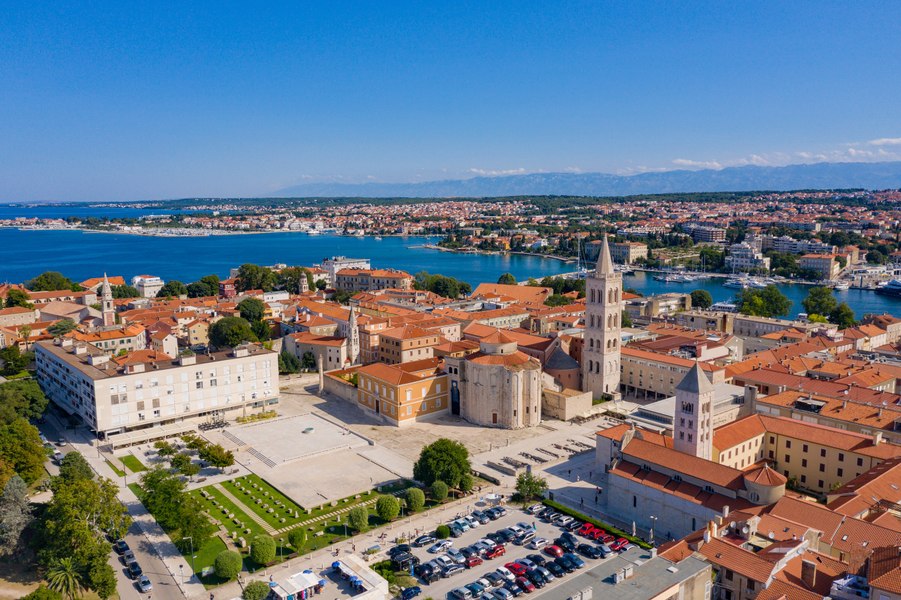
Zadar, Croatia, is set to transform its popular coastline by removing all beach entrance fees and access barriers by 2025. This significant shift is driven by a new legislative framework governing maritime areas, aiming to preserve the Adriatic coast as an accessible destination for all.
Croatia's coastline, known for its turquoise waters and historic towns, attracted approximately 21.8 million tourists in 2025. The beauty of its coast remains a primary draw. However, the new maritime legislation stipulates that beaches operating under concessions can no longer charge entry fees or restrict public access. This move comes as parts of the Mediterranean face increasing commercialization of their shorelines.
The county of Zadar is proactively reinforcing its reputation for open access to the sea. Over the next few years, fenced-off beach areas will completely disappear from the region. The last five existing beach concessions are set to expire within the next two years, including those at Zaton, Pakoštane, and Šimuni on the island of Pag. Once these concessions end, Zadar County will have no beaches with restricted access.
Local residents and visitors have welcomed the decision with enthusiasm, viewing it as a restoration of fairness in the use of coastal spaces. Visitors have described the coastline as a place that should remain freely accessible to everyone. While concessions will continue in a limited capacity, with two agreements already extended under the new system for five years, these updated contracts strictly prohibit beach enclosures and any form of entrance fees. Concessionaires will now be responsible for maintaining cleanliness, safety, and order in their managed areas.
The coastline should remain freely accessible to everyone.
DistantNews Editorial
Originally published by Adevărul in Romanian. Translated, summarized, and contextualized by our editorial team with added local perspective. Read our editorial standards.
More Stories



From Our Blog

What Gets Lost (and Found) When News Is Translated

The Critical Role of Diaspora Media in Global News

What Travellers Should Know About Countries with Restricted Press

A Digital Nomad's Guide to Following Local News

How the Same Story Looks Different in Different Countries
