

Cu Chi commune launches 'Road 4.0' integrating digital tech into community life
Translated from Vietnamese, summarized and contextualized by DistantNews.
At a glance
News
Sources not specified
Context piece
- Cu Chi commune in Ho Chi Minh City launched a "Road 4.0" model, integrating digital technology into daily life and social welfare.
- The initiative aims to create a digital, civilized, and compassionate residential area, marked by QR codes for accessing public services and information.
- The project, celebrating the 81st anniversary of the August Revolution and National Day, also enhances security and community engagement.
Cu Chi commune in Ho Chi Minh City has launched an innovative "Road 4.0" model, integrating digital technology into the lives of its residents. The initiative, located on Road 95 in Ben Do 2A hamlet, aims to create a digital, civilized, and compassionate residential area, fostering a closer connection between technology, daily life, and social welfare.
The "Road 4.0" project is a significant undertaking, spanning approximately 500 meters and serving 215 households with 795 residents. It is particularly relevant given the area's high concentration of workers in service industries. The digitalization of local services is seen as a breakthrough, designed to enhance convenience while simultaneously maintaining public order and addressing social needs.
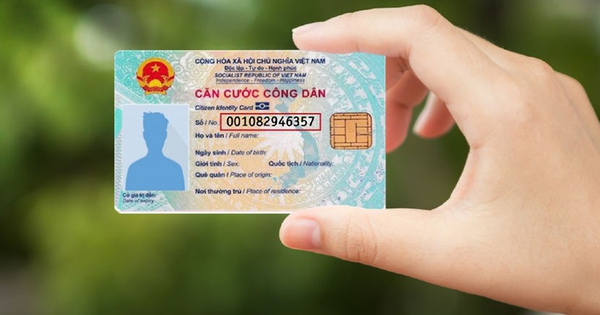
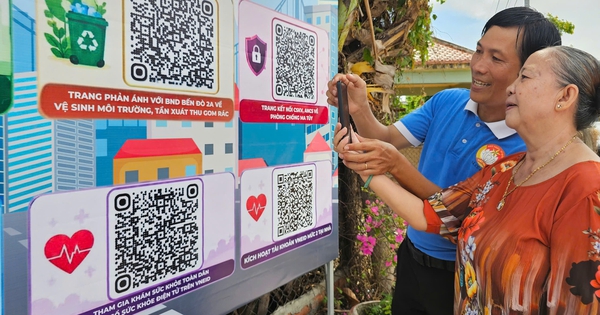
A key feature of the initiative is the implementation of QR codes at seven public scanning points. These codes provide residents with access to government information, online public services, environmental reporting, security updates, anti-drug information, and electronic health records. Businesses along the road have also been assisted in creating QR codes for cashless payments. Through the dedicated efforts of youth volunteers and community digital technology teams, over 95% of residents have completed their level 2 electronic identification.
Digital technology is the means, the people are the subject, the Front is the bridge, community solidarity is the foundation, and building a better life for the people is the ultimate goal. We are building a digital residential area so that no citizen is left behind by technology, and building a civilized road so that no one is left behind.
Beyond digital integration, the road's physical appearance has been enhanced with 52 national flags, six flower beds, and a 24/7 security camera system. Cao Thi Thanh Nhan, Chairwoman of the Cu Chi Commune MTTQ Vietnam, emphasized that digital technology is a tool, residents are the subjects, and the goal is to build a better life for the people. She stressed that no one should be left behind in the digital transformation, and the "Road 4.0" aims to ensure inclusivity and progress for all.
Residents have expressed enthusiasm for the project, noting the convenience of using QR codes for everything from market payments to receiving hamlet announcements. While acknowledging initial unfamiliarity with digital concepts, they appreciate the ease it brings. The core of the initiative, they believe, remains the strong sense of community and mutual support, promising to maintain their road as a bright, green, clean, beautiful, and safe environment.
Initially, when we heard about 'Road 4.0' or 'digital transformation,' older people like us were still confused. But after being patiently guided, everyone finds it extremely convenient, from paying for groceries to receiving hamlet announcements. No matter how advanced the technology, the core remains neighborly love and mutual support. Residents on this road promise to keep it bright, green, clean, beautiful, and safe together.
DistantNews Editorial
Originally published by Thanh Niên in Vietnamese. Translated, summarized, and contextualized by our editorial team with added local perspective. Read our editorial standards.
More Stories


From Our Blog

What Gets Lost (and Found) When News Is Translated

The Critical Role of Diaspora Media in Global News

What Travellers Should Know About Countries with Restricted Press

A Digital Nomad's Guide to Following Local News

How the Same Story Looks Different in Different Countries
