


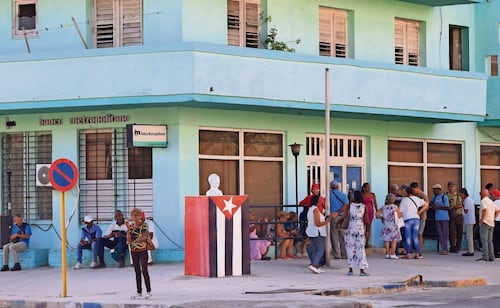
Cuba details social measures for economic reforms, including minimum wage hike
Translated from Spanish, summarized and contextualized by DistantNews.
At a glance
News
Sources not specified
New plan
- Cuba's government announced social measures linked to 176 economic reforms aimed at liberalizing and decentralizing the economy.
- Key changes include an increase in the minimum wage, adjustments to state pensions, and tax incentives for businesses and foreign investors.
- The reforms aim for greater equity and social justice, particularly for vulnerable populations, amidst ongoing inflation and economic pressure from the U.S.
Cuba's government has detailed urgent social measures tied to 176 economic reforms approved in June, seeking to liberalize and decentralize the island's economy. State media reported that these changes focus on increasing the minimum wage, modifying state pensions, and offering tax incentives for state-owned enterprises, private businesses, and foreign investors funding social projects.
Minister of Labor and Social Security Jesús Otaméndiz stated the goal is to achieve "more equity, more social justice and to assist those who are most vulnerable." The minimum wage will rise from 2,100 to 3,210 pesos monthly, which Otaméndiz acknowledged is insufficient but considered a positive first step. This occurs as Cuba's formal market inflation reached 15.89% in May, exacerbated by a U.S. oil blockade that has driven up prices, especially for food and transportation.
The nation has faced a severe structural crisis, with its economy contracting over 15% between 2020 and 2025. U.S. pressure, including the oil blockade and secondary sanctions, has intensified the precarious situation. The wage increase, affecting both budgeted and business sectors, will be reflected in August salaries. The minimum wage will be reviewed annually.
Additionally, the government will remove the contribution limit for private sector workers, allowing higher income contributions to the social security system for larger future pensions. Those working in both state and private sectors can contribute under both regimes to enhance their eventual pensions. The reforms aim to address the country's deep-seated economic challenges while navigating external pressures.
DistantNews Editorial
Originally published by El Universal in Spanish. Translated, summarized, and contextualized by our editorial team with added local perspective. Read our editorial standards.
More Stories


From Our Blog

What Press Freedom Means for the News You Read

What Gets Lost (and Found) When News Is Translated

The Critical Role of Diaspora Media in Global News

What Travellers Should Know About Countries with Restricted Press

A Digital Nomad's Guide to Following Local News
