


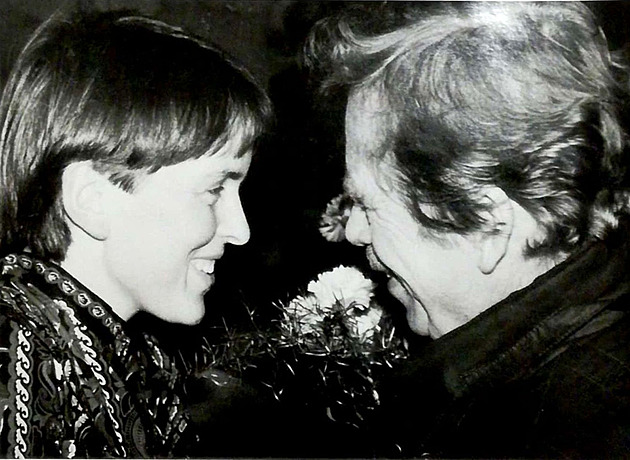
Czech Dissident Challenged Norms, Advocated for Reconciliation After Revolution
Translated from Czech, summarized and contextualized by DistantNews.
At a glance
In-depth
Sources not specified
Context piece
- Hana Jüptnerová, a dissident from the Krkonoše region, defied the communist regime by signing Charter 77 and refusing to vote.
- After the Velvet Revolution, she continued to challenge societal norms by becoming a foster mother to Romani children and advocating for the remembrance of murdered Sudeten Germans.
- Her story, highlighted in cooperation with 'Paměť národa' (Memory of Nation), showcases her courage in standing against the majority and promoting reconciliation.
Hana Jüptnerová, a figure from the Krkonoše mountains, demonstrated remarkable courage throughout her life, first by resisting the communist regime and later by advocating for reconciliation and marginalized communities after the Velvet Revolution.
During the communist era, Jüptnerová refused to conform. She did not participate in elections and became a signatory of Charter 77, a significant human rights initiative. Her actions marked her as a dissenter in a small town, unafraid to challenge the prevailing political climate.
Following the fall of communism, Jüptnerová's commitment to challenging societal norms persisted. She opened her home as a foster mother to Romani children, an act that required significant personal dedication and societal bravery. Furthermore, she actively worked to ensure the memory of Sudeten Germans who were murdered was honored, a sensitive issue often overlooked.
Her life story, presented in collaboration with Paměť národa, underscores a consistent pattern of defiance against the majority and a deep-seated commitment to justice and remembrance. Jüptnerová's journey exemplifies a life dedicated to confronting difficult truths and fostering understanding across ethnic and historical divides.
DistantNews Editorial
Originally published by iDNES in Czech. Translated, summarized, and contextualized by our editorial team with added local perspective. Read our editorial standards.
More Stories


From Our Blog

What Gets Lost (and Found) When News Is Translated

The Critical Role of Diaspora Media in Global News

What Travellers Should Know About Countries with Restricted Press

A Digital Nomad's Guide to Following Local News

How the Same Story Looks Different in Different Countries
