

Dăbuleni watermelons face climate change challenges, smaller, seedless varieties expected
Translated from Romanian, summarized and contextualized by DistantNews.
At a glance
News
Sources not specified
Context piece
- Dăbuleni, Romania, known for its watermelons, faces challenges from climate change, rising costs, and water scarcity.
- Researchers predict smaller, more resilient, and seedless watermelons in the coming years due to market demands and environmental pressures.
- Farmers are adapting by using early-season varieties and protective systems, but rising costs and uncertain profits require continuous strategy adjustments.
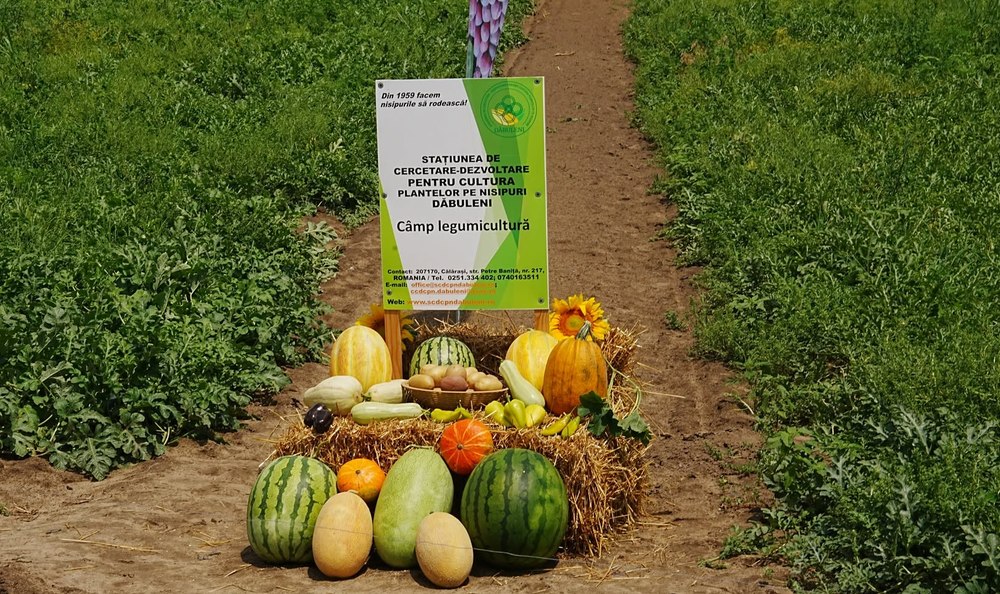
Watermelons from Dăbuleni, a region in southern Romania famous for its summer produce, are facing significant challenges. Climate change, increasing production costs, and water shortages are forcing cultivators to rethink their strategies.
In the coming years, Romanians will buy smaller, more resilient, and increasingly seedless watermelons.
Researchers at the Dăbuleni Research and Development Station for Sandy Soil Crops warn that consumers will likely see smaller, more resilient, and increasingly seedless watermelons in the coming years. These changes are driven by evolving market demands and the need to adapt to a transforming agricultural landscape.
We need continuous adaptation.
Farmers in the Dăbuleni-Călărași area, which cultivates between 1,500 and 2,000 hectares of watermelons producing over 100,000 tons annually, are already adapting. They are using early-season varieties and protective systems to get their crops to market sooner, even competing with sunnier regions like Greece. However, these methods come with increased expenses, leaving farmers to assess profitability at the end of each season.
Polyethylene mulch film is a good thing. It was a step forward in watermelon cultivation because it warms the soil better, making watermelons come out faster; it retains soil moisture, given the problems we face with drought and water, and it reduces weed growth.
One significant challenge is the environmental impact of polyethylene mulch film, which is widely used to warm the soil, retain moisture, and suppress weeds. While beneficial for early harvests and reducing herbicide use, the film does not degrade and poses a growing environmental problem due to difficulties in collection and disposal. This issue highlights the complex balance between agricultural innovation and environmental sustainability.
But the film comes with a big other problem, a huge disadvantage: it does not degrade over time.
DistantNews Editorial
Originally published by Adevărul in Romanian. Translated, summarized, and contextualized by our editorial team with added local perspective. Read our editorial standards.
More Stories


From Our Blog

What Gets Lost (and Found) When News Is Translated

The Critical Role of Diaspora Media in Global News

What Travellers Should Know About Countries with Restricted Press

A Digital Nomad's Guide to Following Local News

How the Same Story Looks Different in Different Countries
