


Europe is Warming Twice as Fast as the Rest of the World: How Summers Are Changing Permanently
Translated from Romanian, summarized and contextualized by DistantNews.
At a glance
News
Sources not specified
Context piece
- Europe is warming twice as fast as the global average, leading to more frequent and intense heatwaves.
- Scientists warn that summer heatwaves may become a regular feature of the continent's climate, with governments urged to treat heatwaves like epidemics.
- Extreme heat has already caused thousands of excess deaths, and some climate changes, like melting glaciers, are irreversible, though reducing emissions can mitigate future impacts.
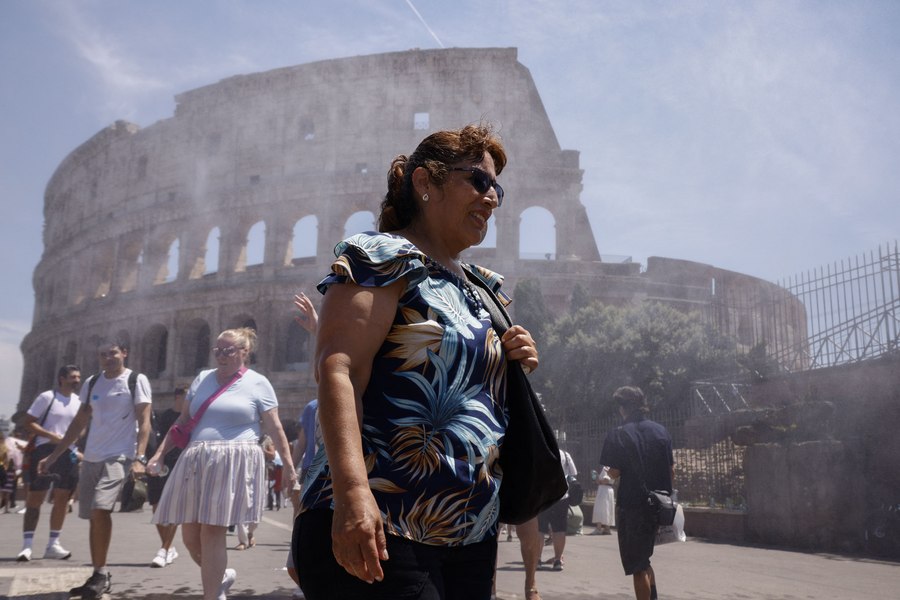
Europe is experiencing warming at approximately twice the global average rate, making extreme weather events like the recent heatwaves a growing concern. Scientists are warning that these intense periods of heat are no longer exceptions but could become a standard characteristic of the continent's climate. The World Health Organization (WHO) is urging governments to approach heatwaves with the same seriousness as seasonal flu epidemics, emphasizing the need to prepare infrastructure for an increasingly hotter future.
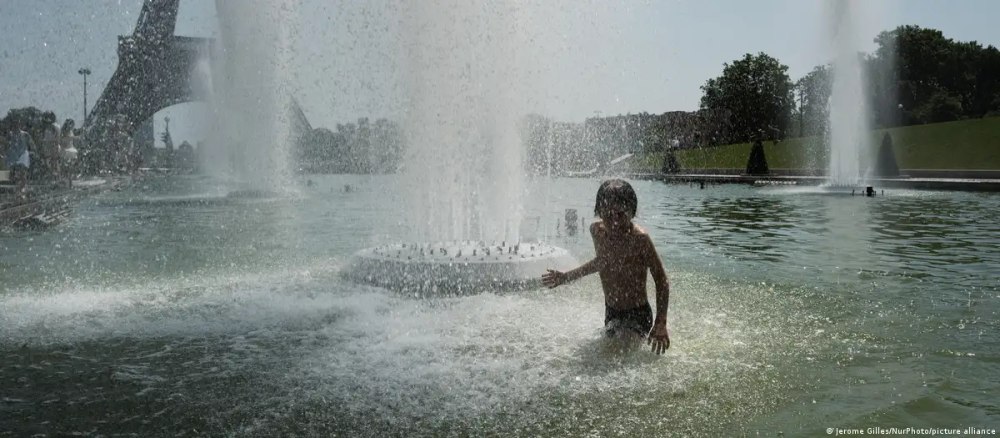
This summer, Europe recorded record-breaking temperatures, with Germany, the Czech Republic, and Poland reaching 40 degrees Celsius (104 Fahrenheit), and France experiencing highs of 44 degrees Celsius (111.2 Fahrenheit). These extreme temperatures were followed by violent storms. French authorities estimate that around 1,000 excess deaths were linked to the extreme heat. A study by World Weather Attribution (WWA) indicates that heatwaves of such intensity are now tens to hundreds of times more likely than in 2003 and were virtually nonexistent 50 years ago.
It's as if the starting line of a race has been moved much closer to the finish line.
Specialists explain that Europe's accelerated warming is altering the atmospheric conditions, causing similar weather patterns to produce significantly higher temperatures than in past decades. Climate models analyzed by WWA suggest that if greenhouse gas emissions remain at current levels, heatwaves like those experienced this summer could occur every few decades. By mid-century, such temperatures might become commonplace during European summers.
Professor Hannah Cloke from the University of Reading warns that some observed changes are already irreversible. Alpine glaciers, crucial sources for major European rivers, have shrunk so drastically that they cannot return to their previous size, permanently reducing their contribution to summer river flows. However, experts stress that the future is not entirely predetermined. Reducing emissions can limit the intensity and frequency of heatwaves, while investments in infrastructure and early warning systems can save lives. The WHO's regional director for Europe, Hans Kluge, highlights the rising mortality associated with high temperatures and notes that European homes are not adequately adapted to the new climatic conditions. Estimates from Lancet Countdown Europe suggest approximately 62,000 people died in Europe due to heat in the past year.
Governments must treat heatwaves as seriously as seasonal flu epidemics and prepare infrastructure for an increasingly hotter future.
DistantNews Editorial
Originally published by Adevărul in Romanian. Translated, summarized, and contextualized by our editorial team with added local perspective. Read our editorial standards.
More Stories
From Our Blog

What Gets Lost (and Found) When News Is Translated

The Critical Role of Diaspora Media in Global News

What Travellers Should Know About Countries with Restricted Press

A Digital Nomad's Guide to Following Local News

How the Same Story Looks Different in Different Countries
