

Dahme-Spreewald Bans Water Extraction in Six Municipalities Amid Drought
Translated from German, summarized and contextualized by DistantNews.
At a glance
News
From a news agency
New plan
- The district of Dahme-Spreewald has imposed a temporary ban on water extraction from surface bodies in six municipalities.
- The ban, effective immediately, is due to critically low water levels in rivers and reservoirs caused by high temperatures and low rainfall.
- This measure is part of a broader trend in Brandenburg, where several regions have already implemented similar water usage restrictions.
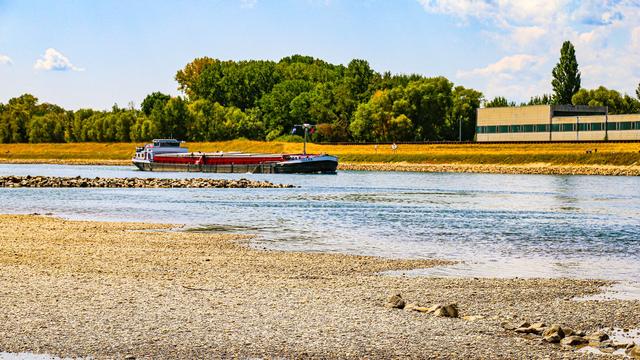
Residents in six municipalities within the Dahme-Spreewald district of Brandenburg are now subject to a temporary ban on drawing water from rivers and lakes. The district administration enacted this measure due to significantly reduced water levels in surface bodies, a consequence of prolonged high temperatures and insufficient rainfall.
The affected municipalities include Märkische Heide, Amt Unterspreewald, Amt Lieberose/Oberspreewald, and the towns of Lübben, Luckau, and Heideblick. The district cited that current water levels are failing to meet required minimums, and reserves in storage facilities are limited. While cooler weather and increased rain are forecast for the current week, officials anticipate only a short-term improvement in the situation.
The required minimum values are currently not being met and there are only limited water reserves in storage.
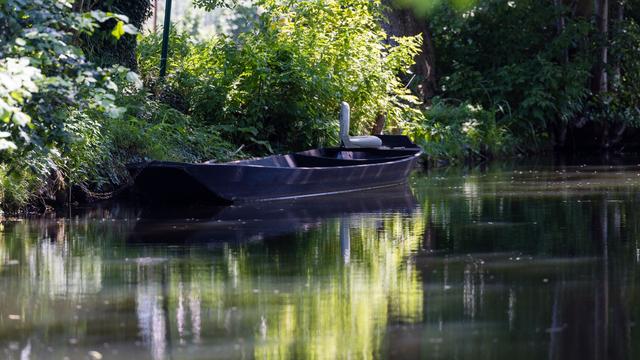
Officials noted that low water levels can be deceptive in the Spreewald region, as water is often held back by weirs and dams. Similar restrictions have been in place since June of last year in the Spree and Schwarze Elster river basins within the Oberspreewald-Lausitz district.
This ban in Dahme-Spreewald reflects a growing water scarcity issue across Brandenburg. Numerous other regions have already implemented or extended water extraction prohibitions. These include Havelland (until September 30), Brandenburg an der Havel (until August 30), Potsdam (until October 1), and Elbe-Elster (since July 2, until further notice). The Potsdam-Mittelmark district has a ban in effect until September 30, while Barnim and Märkisch-Oderland have had such prohibitions for six years.
Low water is not always recognizable, especially in the Spreewald, because the water is often held back in weirs and storage facilities.
DistantNews Editorial
Originally published by Die Zeit in German. Translated, summarized, and contextualized by our editorial team with added local perspective. Read our editorial standards.
More Stories

From Our Blog

What Gets Lost (and Found) When News Is Translated

How the Same Story Looks Different in Different Countries

The Critical Role of Diaspora Media in Global News

What Travellers Should Know About Countries with Restricted Press

A Digital Nomad's Guide to Following Local News
