

Germany's Drought: Is the Rain Too Little, Too Late?
Translated from German, summarized and contextualized by DistantNews.
At a glance
News
Sources not specified
Context piece
- Germany is experiencing a prolonged drought, and recent rainfall is insufficient to significantly replenish groundwater levels.
- The low water levels continue to impact shipping on the Rhine River and have not aided forest regeneration or soil recovery.
- Farmers face a historically poor harvest for sugar beets, and the rain comes too late for grain and corn crops, while reptiles and amphibians remain vulnerable.
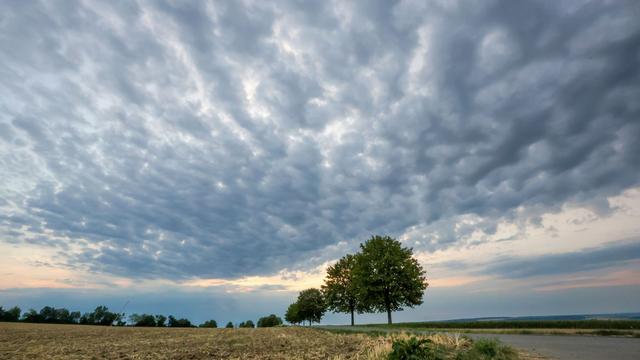
Weeks of drought have left Germany parched, and the recent rainfall offers little relief. Experts warn that the showers are a mere "drop in the hot stone," insufficient to address the critical low groundwater levels. Michel Wingering, a groundwater expert at the State Institute for Environmental Protection Baden-Württemberg (LUBW), stated that the rainfall will have "hardly any relevance" by the end of the month. He emphasized the need for several days of continuous rain, joking that "we need rain that really ruins your vacation." While surface water bodies may refill, indirectly easing groundwater strain, the summer's decline has been more extreme than usual. Groundwater reserves typically replenish between November and April.
We need rain that really ruins your vacation.
The shipping industry also sees no immediate improvement. Benjamin Sinaba, head of shipping at the Waterways and Shipping Office (WSA) Oberrhein, reported that while water levels on the southern Upper Rhine have risen slightly, they remain critically low. "We are still in a low-water phase," he said, noting that current weather conditions offer no prospect of relief for navigation.
We are still in a low-water phase.
Forests and soils are equally affected. ForstBW, a state forestry company, indicated that brief downpours do not allow for regeneration. "Most of the water that falls from the sky in such cases doesn't even reach the forest floor. It gets caught on leaves or litter and evaporates again," explained ForstBW CEO Max Reger. For agricultural soils, the rain is also insufficient, with NABU expert Sabine Brandt reporting cracks up to 50 centimeters deep in some areas. "Water bodies are refilling, but they are very muddy," she noted, adding that many soils are simply "burned."
Most of the water that falls from the sky in such cases doesn't even reach the forest floor. It gets caught on leaves or litter and evaporates again.
Farmers are facing a grim outlook. The State Farmers' Association spokesperson stated that the rain is too late for the already-completed grain harvest and that damage to corn crops is widespread and irreversible. Sugar beet yields in the southwest are expected to be historically poor. Reptiles and amphibians, particularly vulnerable to the dry conditions, also receive no benefit from the light rain, according to Nabu expert Hubert Laufer.
Water bodies are refilling, but they are very muddy.
DistantNews Editorial
Originally published by Die Zeit in German. Translated, summarized, and contextualized by our editorial team with added local perspective. Read our editorial standards.
More Stories

From Our Blog

What Gets Lost (and Found) When News Is Translated

How the Same Story Looks Different in Different Countries

The Critical Role of Diaspora Media in Global News

What Travellers Should Know About Countries with Restricted Press

A Digital Nomad's Guide to Following Local News
