


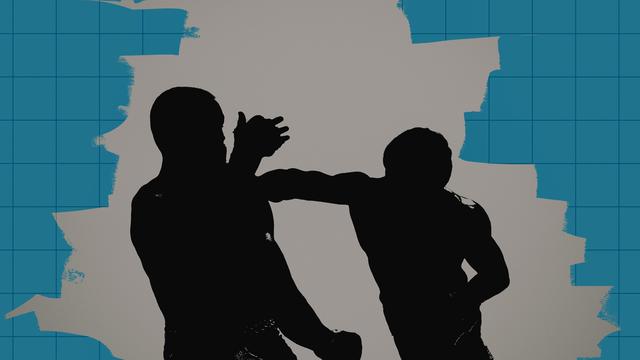
Dangerous Fighters: How Right-Wing Extremists Become Stars of 'Underground Fight Clubs'
Translated from German, summarized and contextualized by DistantNews.
At a glance
News
Sources not specified
Context piece
- Right-wing extremists are increasingly participating in and gaining popularity within underground combat sports events.
- These events, often featuring bare-knuckle boxing and MMA with minimal rules, provide a platform for extremist ideologies.
- Fighters with visible far-right symbols and affiliations are competing, with videos of their fights gaining traction online.
Underground fight clubs across Europe are becoming a breeding ground for right-wing extremism, with participants openly displaying extremist symbols and affiliations. These events, often held in makeshift venues and featuring brutal combat styles like bare-knuckle boxing and MMA with few rules, are attracting a significant following, particularly among young men.
One notable case involves a 21-year-old neo-Nazi from Schweinfurt, Germany, who competed in a "Ruhrpott Fighting Championship" event in Duisburg. Despite having tattoos of illegal right-wing symbols and a history of participating in extremist rallies, including posing in a gas chamber exhibit at the Dachau concentration camp memorial, he was celebrated for his performance. Videos of his fights, often shared online, garner thousands of views, with his political leanings largely ignored by event organizers and fans.
These "No Rules" fights, promoted with slogans like "Fight or Die," are creating their own heroes, some of whom are documented far-right extremists from across Europe. The "FOD Fight Club," operating in the border region of Switzerland, France, and Germany, is one such organization that has announced fights featuring German right-wing extremists, highlighting the dangerous intersection of combat sports and extremist ideologies. The lack of regulation and the raw, often violent nature of these events create an environment where extremist messages can spread with alarming ease.
DistantNews Editorial
Originally published by Die Zeit in German. Translated, summarized, and contextualized by our editorial team with added local perspective. Read our editorial standards.
More Stories

From Our Blog

What Gets Lost (and Found) When News Is Translated

How the Same Story Looks Different in Different Countries

The Critical Role of Diaspora Media in Global News

What Travellers Should Know About Countries with Restricted Press

A Digital Nomad's Guide to Following Local News
