

Danube River flow to rise slightly before returning to 1,500 m³/s; remains well below average
Translated from Romanian and summarized by DistantNews. Read the original for the full story.
At a glance
News
Official statement
Context piece
- The Danube River's flow at Romania's entry point is projected to increase slightly to around 1,600 m³/s early in the week before decreasing to approximately 1,500 m³/s by September 4.
- These levels remain significantly below the average for this period, with the multi-annual average flow for August and September being around 3,900 m³/s and 3,800 m³/s, respectively.
- The low flow is a broader hydrological issue across Romania, with many river basins experiencing flows between 30% and 50% of their monthly averages, and some even below 30%.
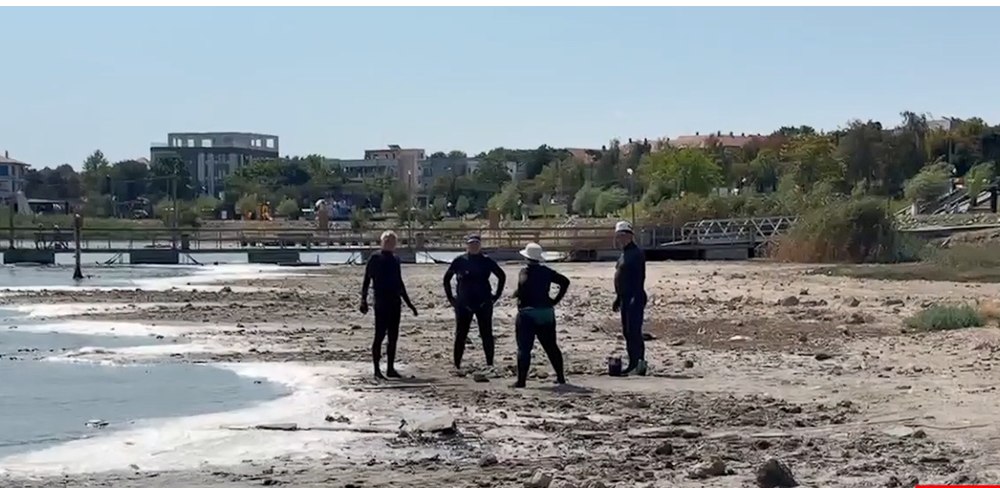
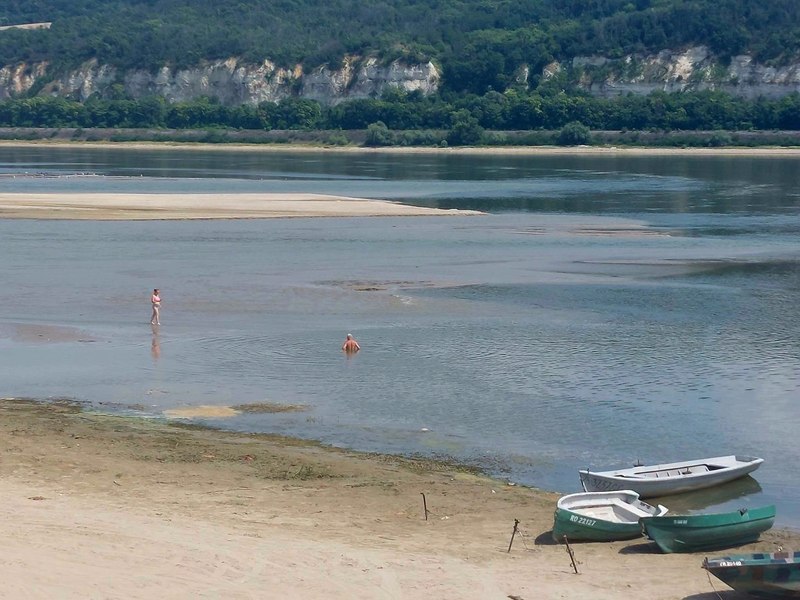
The Danube River's flow at Romania's entry point is expected to see a minor increase in the initial days of the week, reaching approximately 1,600 cubic meters per second (m³/s). However, this rise is temporary, with the flow predicted to begin decreasing again and settle around 1,500 m³/s by September 4, according to forecasts from the National Institute of Hydrology and Water Management (INHGA).
These projected levels are starkly below the typical figures for this time of year. The multi-annual average flow for the Danube in August is around 3,900 m³/s, and in September, it averages about 3,800 m³/s. The anticipated flow of 1,500 m³/s in early September represents less than half of the monthly average, highlighting a persistent deficit.
The INHGA's projections indicate that the reduced flow is not an isolated, short-term event. For August, the institute estimated maximum flows of 2,000 m³/s and minimums of 1,450 m³/s. The figures for September are forecasted to range between 2,500 m³/s and 1,600 m³/s, with the September 4th estimate falling near the lower end of this range.
This situation mirrors a wider hydrological trend across Romania, where many rivers are experiencing below-average flows. In August, hydrological conditions are generally expected to be between 30% and 50% of the monthly multi-annual averages across the country. While some river basins, like those of the Prahova, upper Ialomița, and upper Buzău, show higher percentages (50%-80%), numerous others, including the Crasna, Barcău, Crișul Repede, Crișul Negru, Crișul Alb, Bârlad, Râmnicu Sărat, upper Siret, and tributaries of the Prut, are projected to be below 30% of their averages.
About this summary
Originally published by Adevărul in Romanian. Translated, summarized, and contextualized automatically by DistantNews, with a note on how the source frames the story. Not individually reviewed before publishing. How this works.
More Stories

From Our Blog

What Gets Lost (and Found) When News Is Translated

The Critical Role of Diaspora Media in Global News

What Travellers Should Know About Countries with Restricted Press

A Digital Nomad's Guide to Following Local News

How the Same Story Looks Different in Different Countries
