


Why garden tomatoes taste sour despite being ripe
Translated from Romanian and summarized by DistantNews. Read the original for the full story.
At a glance
News
Sources not specified
Context piece
- Ripe garden tomatoes can taste sour or lack flavor due to factors like variety, light, water, temperature, and harvest timing.
- Insufficient sunlight reduces sugar accumulation, while excessive water can dilute flavors, making tomatoes taste watery and more acidic.
- For sweet and flavorful tomatoes, choose sunny locations, ensure fertile, well-drained soil, and water regularly without overdoing it, allowing fruits to ripen fully on the vine.
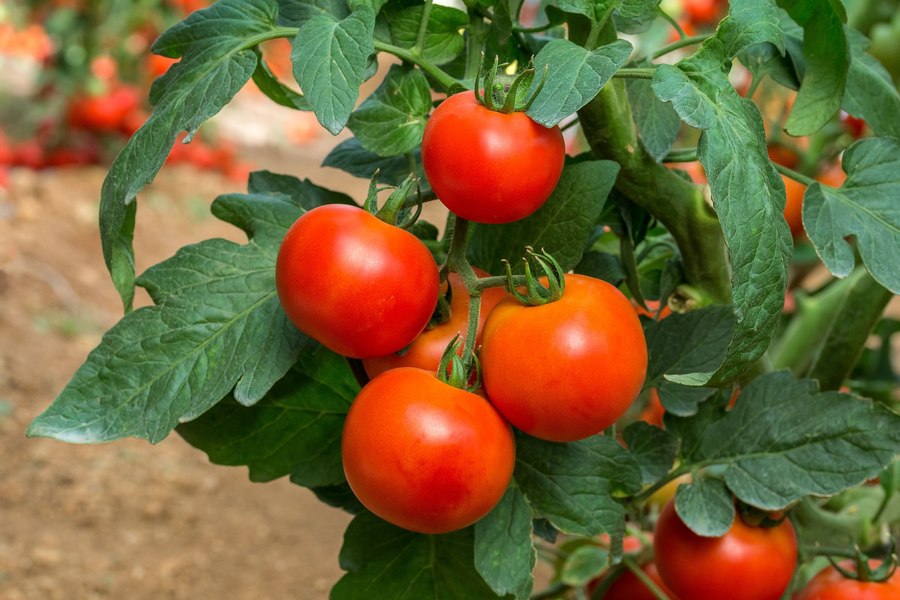
Even when fully ripe, tomatoes from the garden can disappoint with a sour, watery, or bland taste. The key to a flavorful tomato lies not just in its redness, but in the delicate balance of sugars and acids within the fruit. Several factors, from the seed you plant to the conditions in your garden, influence this final taste profile.
One of the most significant influences is the tomato variety itself. Some cultivars are naturally bred to have higher acidity and fewer sugars, while others, like many cherry tomatoes or heirloom varieties, boast a naturally sweet and aromatic flavor even at full ripeness. Beyond genetics, the amount of sunlight a plant receives plays a crucial role. Tomatoes need ample light for photosynthesis, the process that creates the sugars contributing to their sweetness. Shaded plants or those receiving insufficient direct sun may produce less sweet fruit.
Water management is another critical element. Overwatering, especially as tomatoes approach ripeness, can lead to a watery consistency. This excess water dilutes the sugars and acids, making the flavor seem less intense and potentially more sour. Temperature also impacts flavor development. While moderate warmth aids fruit growth, extreme heat can hinder flowering and the processes responsible for developing aroma and taste. Finally, the timing of the harvest matters; a tomato allowed to fully ripen on the vine generally develops better sugars and flavors than one picked prematurely.
To cultivate sweet and aromatic tomatoes, gardeners should prioritize sunny locations, ideally receiving several hours of direct sunlight daily. The soil should be fertile and well-drained to support healthy root systems without becoming waterlogged. Regular watering is essential, but it must be balanced – aiming water at the base of the plant rather than the leaves, and adjusting the amount based on weather conditions and soil type. By carefully managing these elements, gardeners can significantly improve the flavor of their homegrown tomatoes.
About this summary
Originally published by Adevărul in Romanian. Translated, summarized, and contextualized automatically by DistantNews, with a note on how the source frames the story. Not individually reviewed before publishing. How this works.
More Stories



From Our Blog

What Gets Lost (and Found) When News Is Translated

The Critical Role of Diaspora Media in Global News

What Travellers Should Know About Countries with Restricted Press

A Digital Nomad's Guide to Following Local News

How the Same Story Looks Different in Different Countries
