


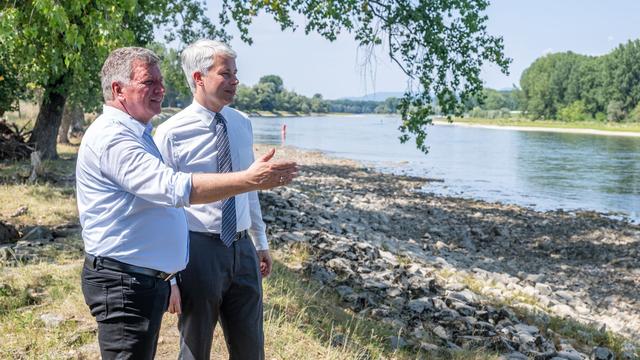
Danube River Upgrade to Aid Shipping and Flood Control
Translated from German, summarized and contextualized by DistantNews.
At a glance
News
From a news agency
New plan
- Germany plans to upgrade the Danube River to improve shipping and flood protection.
- The project aims to increase cargo capacity by 200 tons per ship and protect communities from a 100-year flood.
- Construction on the waterway expansion between Deggendorf and Vilshofen is set to begin this fall, with dike work planned for spring 2027.
Germany is set to begin a significant upgrade of the Danube River, a project aimed at bolstering both commercial shipping and flood defenses. The expansion, focusing on the stretch between Deggendorf and Vilshofen, is slated to commence this autumn, with preparatory work already underway.
Federal Transport Minister Steffen Bilger highlighted the project's importance, especially amid current low water levels. The upgrade is designed to improve the draft for cargo ships by 20 centimeters, allowing each vessel to carry an additional 200 tons. This enhancement means that the crucial 2.50-meter draft will be available approximately 200 days a year, up from the current 144 days.
While low water levels are a pressing concern due to heat and drought, the primary goal of the Danube expansion is flood protection. Future plans include safeguarding communities along the route against a 100-year flood event. Dike construction is scheduled to start in spring 2027, following initial work this fall to secure drinking water pipelines where they intersect the dike.
Bavarian counterpart Christian Bernreiter emphasized the local anticipation for improved flood protection, noting that it would enable renewed construction in affected communities. He recalled the devastating 2013 flood near Deggendorf. The project, which faced decades of debate over its design, will now proceed with a nature-oriented approach, costing around two billion euros.
The people in the Danube communities are 'eagerly' awaiting the expansion of flood protection. Because then, construction can also resume in the communities.
DistantNews Editorial
Originally published by Die Zeit in German. Translated, summarized, and contextualized by our editorial team with added local perspective. Read our editorial standards.
More Stories

From Our Blog

What Gets Lost (and Found) When News Is Translated

How the Same Story Looks Different in Different Countries

The Critical Role of Diaspora Media in Global News

What Travellers Should Know About Countries with Restricted Press

A Digital Nomad's Guide to Following Local News
