

Deal reportedly in the works to revive U.S.-Iran MOU, open Hormuz for 60 days
Translated from English, summarized and contextualized by DistantNews.
At a glance
News
Named sources
Ongoing story
- A deal is reportedly being mediated to reinstate a U.S.-Iran memorandum of understanding, ensuring the Strait of Hormuz remains open for 60 days without fees.
- The potential agreement also aims to renew a ceasefire between the two nations.
- Qatar engaged in intensive talks with Iran, the U.S., and Oman to avert a U.S. attack and open the Strait of Hormuz.
Sources familiar with the matter have informed Channel 12 that mediation is underway to bring the United States and Iran back to a memorandum of understanding signed last month. This potential deal aims to guarantee the Strait of Hormuz remains open for 60 days without any associated fees and would also renew a ceasefire between the two countries.
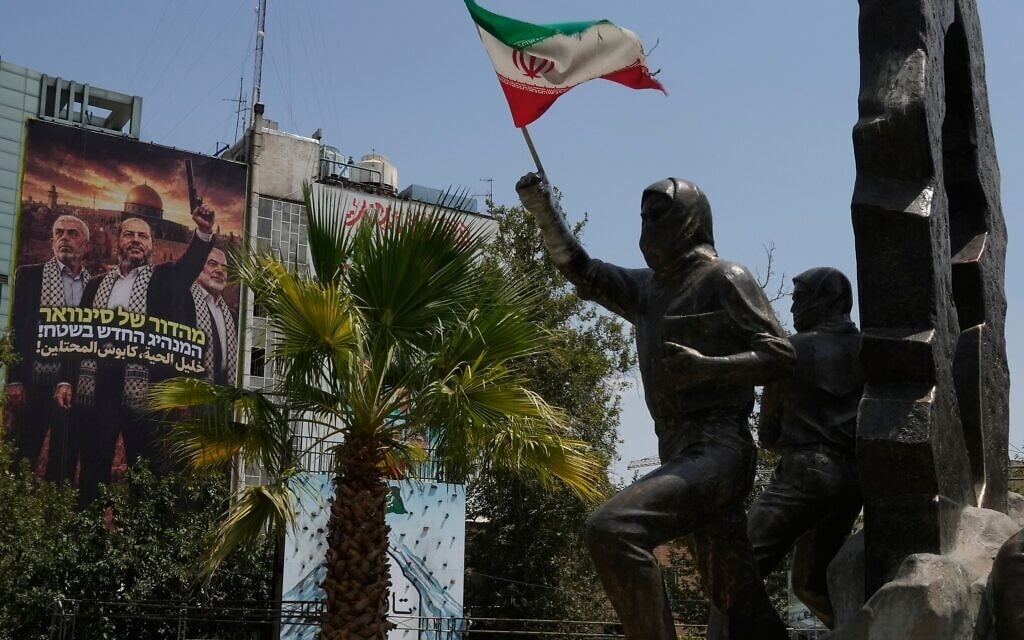
Concurrently, Iranian state media reported that negotiations between Iran and Oman regarding a mutual mechanism to govern the strait are nearing completion. The original U.S.-Iran memorandum stipulated that Iran would fully open the strait "for 60 days only," without imposing subsequent restrictions. However, the agreement faltered amid conflicting claims over Hormuz, with then-U.S. President Donald Trump asserting the strait's openness while Tehran believed the deal permitted it to control ship routes.
Late Saturday, Trump announced Iran's agreement to open the strait and stated he had called off a major attack on the Islamic Republic, adding that Israel was aligned with this decision. Tehran, however, denied that any deal had been reached. Channel 12 reported that Israel was slated to participate in the attack, which was canceled approximately 24 hours before its scheduled commencement. Israel reportedly learned of the cancellation only after Trump posted a message about it on social media.
Israel was to be part of the attack, which was called off about 24 hours before it was set to begin, and only learned that it would not be carried out after Trump published a message to that effect in a social media post.
Planning for the attack reportedly began on Wednesday, the day after Prime Minister Benjamin Netanyahu met with Trump at the White House. U.S. Central Command had prepared an attack plan targeting Iranian energy infrastructure. A U.S. official told Channel 12 that Israel was intended to be part of the plan, with Israel indicating to the U.S. that the attack would be pointless unless it significantly damaged Iranian economic and regime targets.
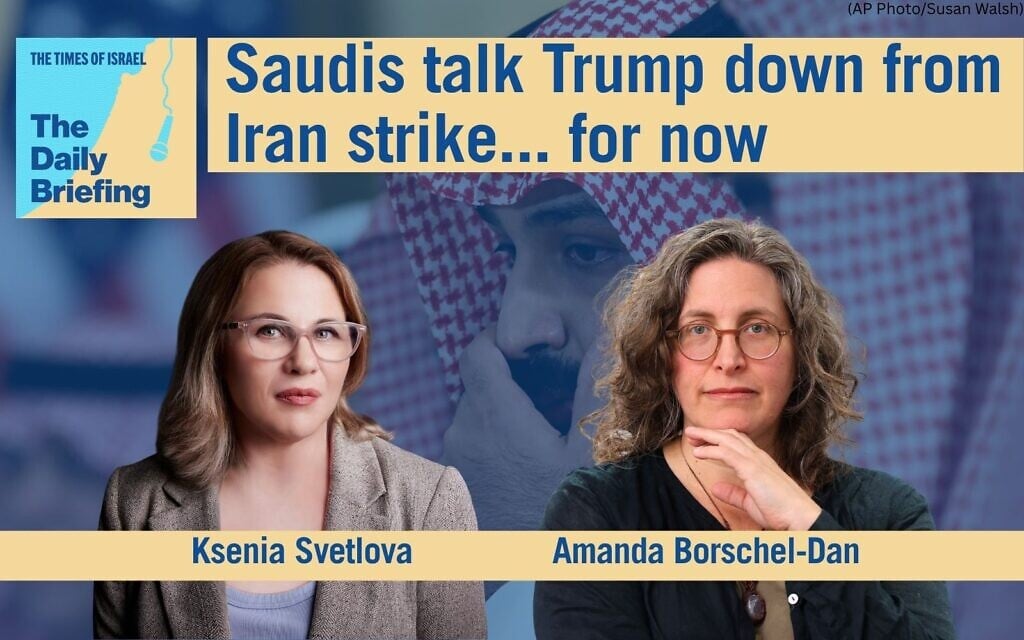
On Friday and Saturday, Qatar engaged in intensive discussions with Iran, the U.S., and Oman in an effort to prevent the attack and secure the opening of the Strait of Hormuz. Qatari officials informed Trump on Saturday that an additional day was needed to finalize a solution with Iran, a request he granted. Later that day, Qatar relayed to Trump that Iran had agreed to a proposal to open the Strait. Meanwhile, Saudi Crown Prince Mohammed bin Salman contacted Trump, urging him not to proceed with the strike. Trump subsequently posted on Truth Social that he was calling off the attack, citing Iran's agreement to open the strait and end its nuclear program.
Israel was supposed to be part of the plan.
DistantNews Editorial
Originally published by Times of Israel in English. Translated, summarized, and contextualized by our editorial team with added local perspective. Read our editorial standards.
More Stories
From Our Blog

What Gets Lost (and Found) When News Is Translated

The Critical Role of Diaspora Media in Global News

What Travellers Should Know About Countries with Restricted Press

A Digital Nomad's Guide to Following Local News

How the Same Story Looks Different in Different Countries
